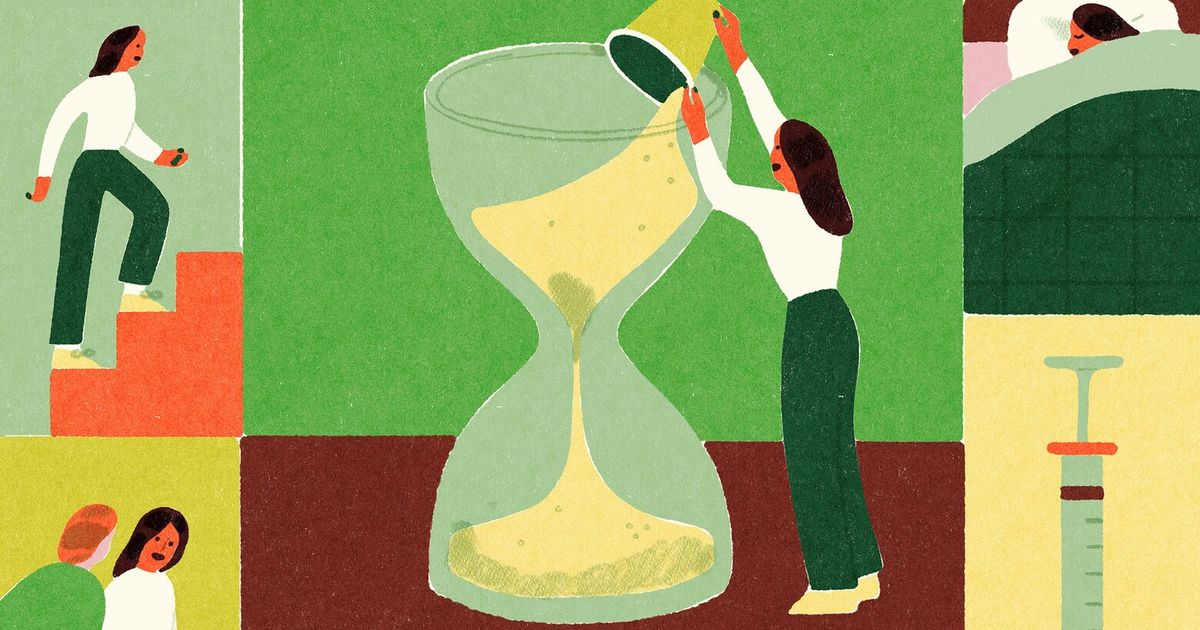
Midlife advice usually lands in one of two piles: the kind that assumes you have a spare hour for green juice and a gratitude journal, and the kind that assumes you're already too far gone. This article lands somewhere more useful. It's not promising a fountain of youth. It's saying the choices you make now, in your forties and fifties, are doing real work for the person you'll be at seventy. That's a version of "future me will thank me" that actually holds up. And honestly, that's the same logic a lot of us on campus already use for smaller things: showing up to the club meeting even when you're tired, or taking the walk between classes even when it's drizzling. The scale is different, but the principle isn't.
Here's what we'd tell a reader who asked us about this directly: don't let the word "midlife" psych you out. The article isn't asking you to overhaul everything at once. It's pointing at small, repeatable habits that stack. Move your body in ways that don't feel like punishment. Keep your social circle real, not just full. Eat like you're planning to stick around. None of that is flashy. But flashy is usually just expensive. The experts in the piece are basically saying the boring stuff works, and that's actually a relief. You don't need a viral routine or a $400 device. You need consistency and a little self-compassion when you miss a day. That's a very Coug way to think about it: lowkey, steady, and honest about the fact that you're not going to be perfect.
What we'd add, from our corner, is that this advice gets easier to follow when you stop treating it as a solo project. The article talks about caring for yourself, but so much of that care happens in community. The friend who texts you to go for a walk. The study group that keeps you accountable. The volunteer shift that gets you out of your own head. We see it all the time with students who are juggling classes, work, and a social life. The ones who last aren't the ones who go it alone. They're the ones who let people in on the plan. So if you're reading this and thinking, "I don't have time to think about longevity," that's fair. But you probably have time to call a friend back. You probably have time to take the stairs. You probably have time to say yes to the salad once in a while without making it a whole thing. That's not a lifestyle overhaul. That's just being a responsible human who wants to keep showing up.
The piece doesn't give you a magic number or a guaranteed outcome, and that's part of why we trust it. It's not selling certainty. It's selling better odds. The real question it leaves us with isn't "will this work?" It's "what small thing are you willing to do today so future you gets a little more time and a little more energy?" That's a question worth sitting with. If you're in your forties and feeling behind, or in your fifties and feeling tired, the answer isn't to wait until you feel ready. It's to pick one thing, just one, and start there. That's it. That's the concrete point. The rest is just showing up again tomorrow.