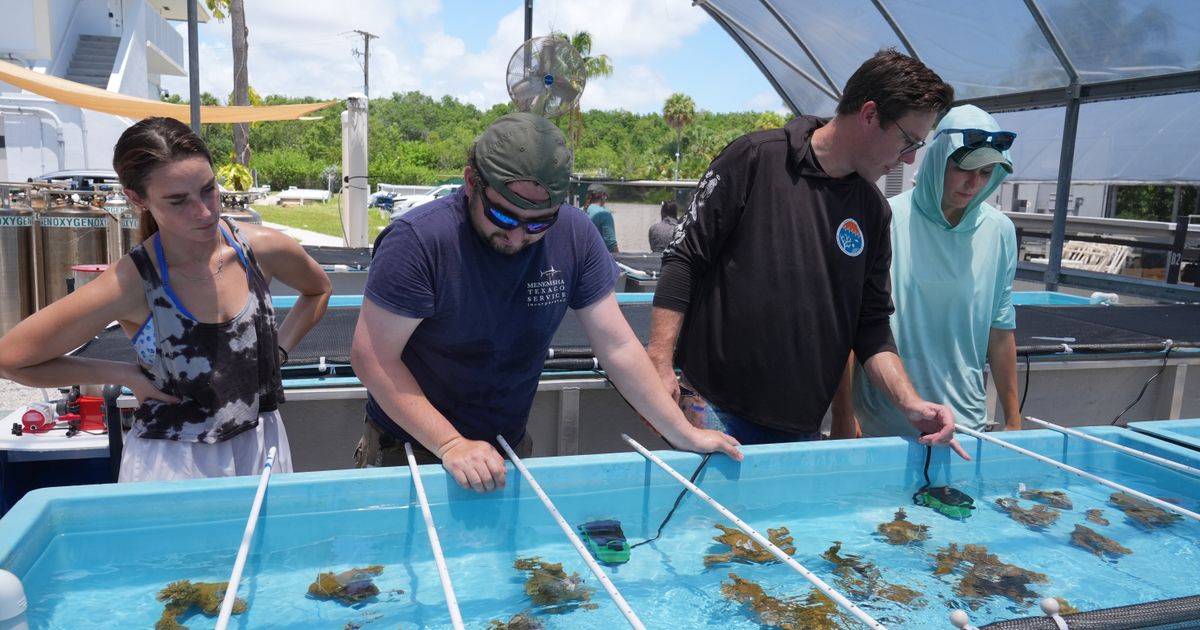
The news out of Miami is a specific kind of hopeful that I don't think we get enough of. University of Miami scientists are physically bringing endangered elkhorn coral ashore to protect them. Not to put them in a tank and call it a day, but to keep a species alive when the ocean is doing everything it can to kill it. That's not a flashy story. It's a steady, hands-on kind of rescue, the kind where you show up, do the work, and hope future you gets to see it pay off. It's the same energy as pulling an all-nighter for a group project because you actually care about the grade, not because you want a gold star.
I think about how this connects to the bigger picture we're already seeing in our own backyard. The Top polluters’ past emissions will keep warming the planet for years story from the University of Washington is a heavy reminder that the heat we're dealing with now was set in motion long before we picked our majors. And the Trust land transfer proposals approved by WA Natural Resources board shows that some of the most meaningful progress happens when people decide which patches of ground deserve protection. The coral rescue is the same playbook. It's not about reversing climate change overnight. It's about buying time, protecting what's fragile, and making a call that something is worth saving even when it's easier to look away.
Here's my honest take: this is what real responsibility looks like. Not the performative stuff, not the "we're all in this together" posts that disappear by lunch. It's the quiet, unglamorous choice to act now because the alternative is losing something we can't get back. For students, that might look like choosing the harder class, showing up to the club meeting when you're tired, or actually recycling instead of pretending you forgot. It's the same muscle, just applied to different weights. The scientists aren't waiting for a perfect solution. They're working with what they have, and that's a solid lesson for anyone feeling stuck in a semester that's spinning out.
If you asked me what to take from this, I'd say watch what happens next. The real test isn't whether they can keep the coral alive in a lab. It's whether we can learn to treat the rest of the system with the same urgency. The Longtime AP Florida politics reporter Brendan Farrington dies at 60 story is a reminder that some things end, and some things we choose to fight for. The coral is a clear bet that we're not done yet. That's the kind of bet I can get behind, even from a cold library chair.