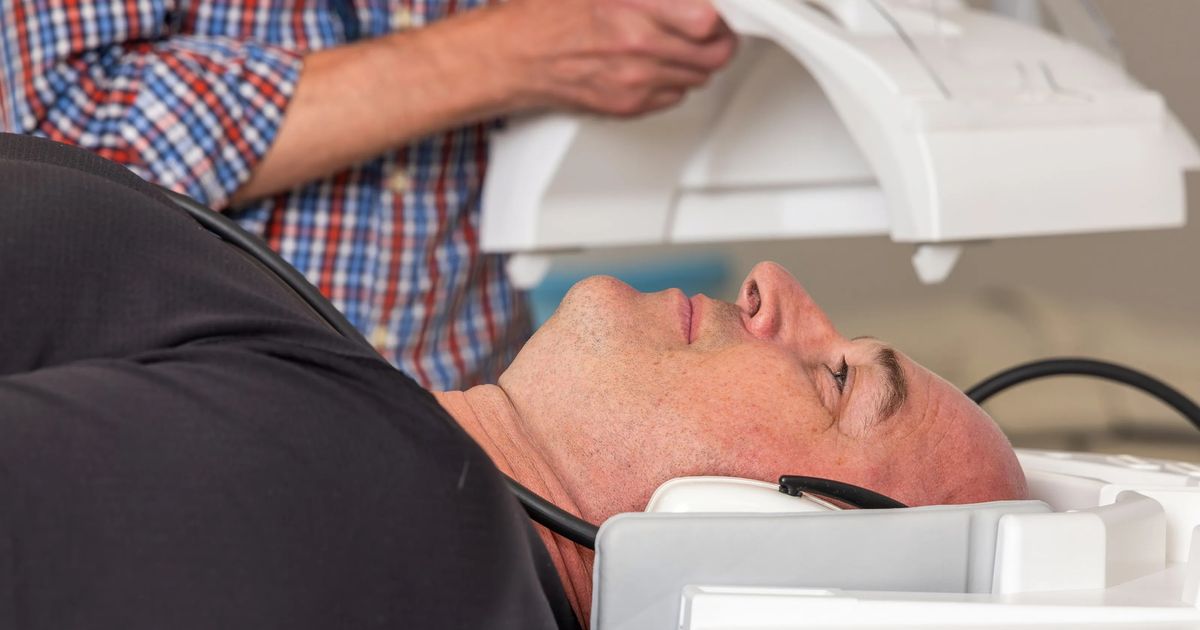
Matt Hasselbeck spent years in the NFL getting hit. Now he's part of a study at Boston University trying to figure out how to diagnose chronic traumatic encephalopathy in living people. That's the part that should stop you. We've known about CTE for a long time, but it's always been a post-career, post-mortem conversation. You play, you retire, you get a knock on the door years later. This is different. This is trying to catch it while there's still time to do something about it. And for a guy like Hasselbeck, who played quarterback, took his share of shots, and now sits in the same seats we do on Saturday, it's a real, grounded step forward.
Here's the thing about being a Coug: we show up for people. We're not the flashiest fanbase, but we're steady. That's why this study matters beyond the medical journals. It's the same energy as watching WSU Cougars dominate all phases on way to win against Duquesne or keeping an eye on Washington Huskies next opponent Minnesota. We care about the game, but we also care about the people playing it. Hasselbeck isn't just a former player; he's a guy who could have walked away and let the silence do its thing. Instead, he's letting researchers study his brain while he's still here to talk about it. That's not weakness. That's the most lowkey confident move you can make, and it's exactly the kind of thing we'd tell a friend to do: face the hard part now so you're not blindsided later.
What does this mean for us practically? Well, for one, it changes how we watch. When you're tailgating or yelling at the screen, it's easy to forget these are people with lives after football. This study is a reminder that the hits have a cost, and knowing that cost earlier changes the calculus for players, coaches, and even parents deciding whether to let their kids play. It's not about being dramatic; it's about being smart. We're a community that values learning by doing, and this is the ultimate version of that: research that could lead to a simple test, maybe even a treatment, for something we've been scared to name for decades. It's not just about Hasselbeck. It's about the next kid who suits up on a Friday night and wonders if it's worth it.
Here's the takeaway I'd give any reader who asks: this is the first real crack at answering a question we've all been avoiding. If you care about football, if you care about the people who play it, you should be paying attention to what comes out of Boston University. It's not a done deal, and it's not going to be solved overnight. But it's a start, and starts matter. So next time you're at Martin Stadium, maybe take a second to appreciate that the guy under center is more than a jersey number. And if you hear about a study like this, don't scroll past it. That's the kind of play that counts long after the final whistle.