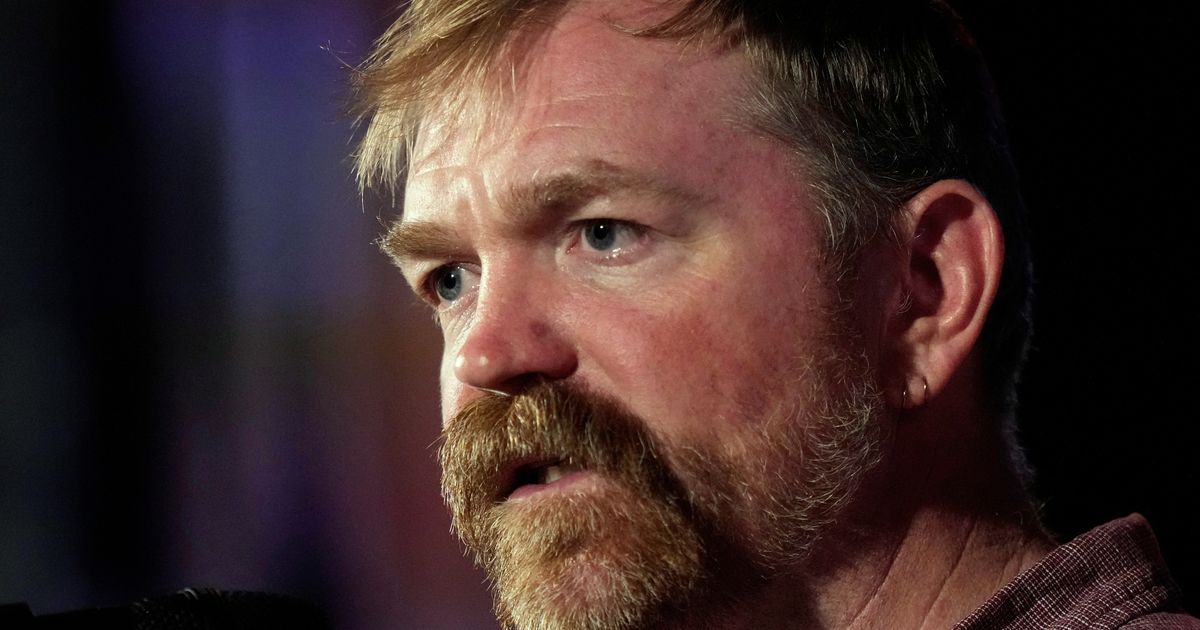
There's a version of this story where the headline does the work and we all scroll past, but the details matter too much for that. Graham Platner, the former Maine Democratic Senate nominee, is set to headline a Labor Day rally, his first notable public appearance since a sexual assault allegation ended his campaign. That's not a comeback tour. That's a choice, and it's worth asking what kind of choice it is, especially for a party and a movement that keeps saying it believes survivors.
Let's be clear about what this is not: it's not a conviction, and it's not a court ruling. The allegation ended his candidacy, not his right to show up at a rally. But "not illegal" is a low bar for public leadership, and that's the point. When a campaign ends over something like this, the default shouldn't be to slide back into a speaking slot a few months later like the pause button got hit. It reads less like accountability and more like a test run. For a lot of voters, especially young people who've grown up with #MeToo as a lived reality, this is the exact kind of moment where "we take these things seriously" gets measured against what actually happens next.
So what do we tell a reader who asks? We tell them to pay attention to the room. Who invited him? Who shares that stage? What does the rally say about labor's priorities when the featured speaker is someone whose political career ended mid-allegation, not because of a policy disagreement? That's not a gotcha. That's a practical question for anyone who's asked to support, volunteer, or knock on doors. If you're going to show up for workers, you should also be clear about whose behavior you're willing to platform. That's not cancel culture. That's consistency.
Here's the concrete thing to watch: whether any local Democratic leaders or labor groups distance themselves from the event, or double down. That's the tell. If they stay silent, that's an answer. If they defend the invite, that's an answer. If they quietly hope it doesn't blow up, that's also an answer. We're not saying one bad allegation means he should never speak again. But we are saying that a Labor Day rally isn't a courtroom, and it's not a podcast. It's a signal about who belongs in the movement. Right now, that signal says "allegation is a speed bump, not a stop." For a lot of us, that's a hard pass, and it should be for the organizers too.