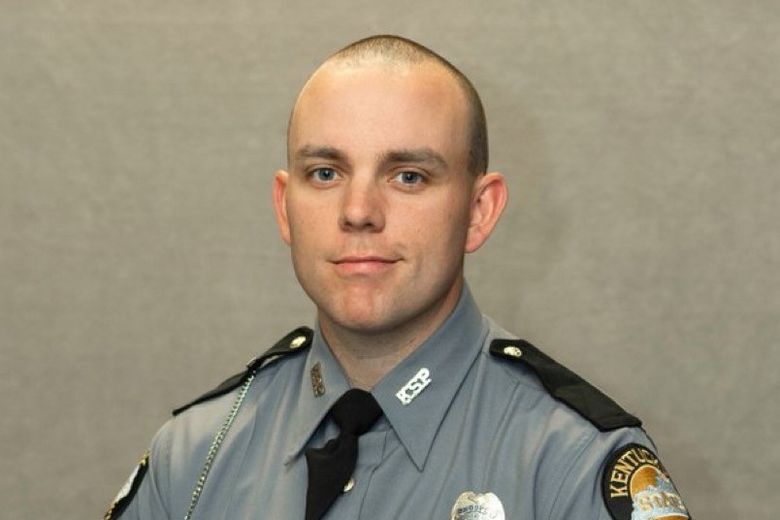
A Kentucky state trooper was fatally shot along an interstate highway, and state police say a suspect is now in custody. The news lands with that specific, gut-punch weight that comes whenever someone who runs toward danger doesn't get to come home. We don't have many details yet, and that's exactly when the noise gets loud. In the absence of facts, the mind fills the gap with frustration, anger, and the tired question of whether these losses ever really stop. It's a heavy moment to sit with, especially for those of us who are just trying to build something steady in our own lives. But we don't get to look away just because it's uncomfortable.
This isn't a story that exists in a vacuum, either. It's part of a broader pattern we've been tracking, where public safety and institutional decisions collide with real, human consequences. For example, a report on security lapses at a university where a speaker was killed showed how pressure to push a specific event forward overrode basic precautions. That report didn't just outline a failure; it pointed to a series of choices that put someone in harm's way. Similarly, the conclusion of an investigation into conduct within a football program reminds us that when institutions close ranks, accountability gets murky. And closer to home, a report on a federal voter-fraud investigation surge in Washington shows how quickly official actions can ripple out and affect everyday people who didn't ask to be part of the story. These aren't the same situations as a trooper being shot on the interstate, but they share a thread: the systems we rely on to keep us safe and fair are only as solid as the people making decisions inside them.
Our take is pretty straightforward. We're tired of treating these moments as isolated incidents when they're clearly not. For our readers, the practical takeaway isn't about panic or doom-scrolling. It's about paying attention to how safety decisions get made in your own community, your campus, your workplace. When a report comes out that says a venue wasn't secure, ask who pushed for that. When an investigation wraps up with a quiet resignation, ask what else was left on the table. And when a trooper is killed in the line of duty, don't let the 24-hour news cycle move on before you've actually sat with what that means for the people who put on the uniform every day. That's the part that matters. It's not about political points or hot takes. It's about being a neighbor who notices when something's off and being willing to say so.
The one thing to watch here is how the investigation into this shooting unfolds. We want to know what led to the encounter, what the trooper was responding to, and whether any warning signs were missed. That's not morbid curiosity. That's the difference between a headline and a lesson. If we're going to honor the person lost, we need the full story, not just the initial alert. So keep your eyes on the details. Ask the questions that don't get asked on the first day. And if you're in a position to make a call about safety, whether it's for an event, a study session, or a night out, take the extra beat to think it through. That's how we get better. That's how we make sure the next headline doesn't have to be this one.