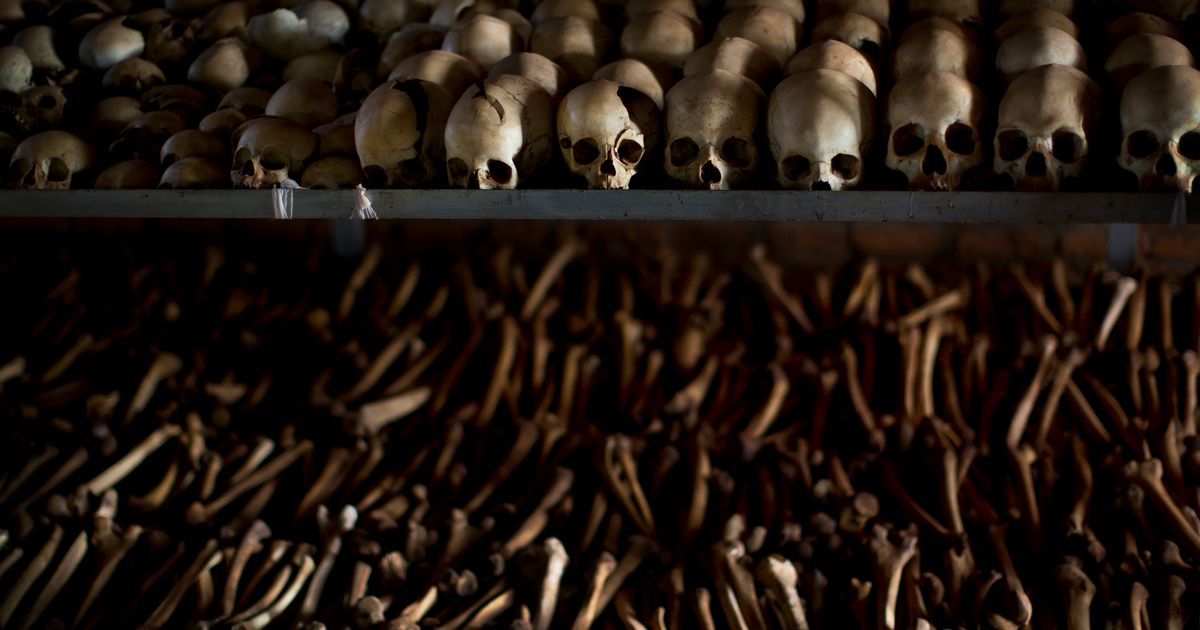
A Dutch court just handed down a life sentence to a Rwandan man for his role in the 1994 genocide, and honestly, it's the kind of news that makes you pause mid-bite of your dining hall sandwich. This isn't a headline from Kigali or The Hague in some abstract way. It's a real person, held accountable in a Dutch courtroom, for crimes that happened thirty years ago. The Seattle Times coverage lays out the bare facts: conviction, life sentence, participation in genocide. But what sticks with me isn't the legal jargon. It's the sheer weight of time passed and the fact that justice, however late, still showed up.
For us, as students building our own little lives in Pullman, it's easy to file this under "world news" and move on to the next assignment. But here's the thing: this verdict is a reminder that accountability doesn't have an expiration date. We talk a lot about "future me will thank me" when it comes to studying for that exam or showing up to a club meeting. This is that same principle, but turned up to a global, life-or-death level. The Dutch court didn't say, "Well, it's been too long, let's let it slide." They said, "We see what happened, and we're going to do something about it now." That's a standard worth holding onto, even if our own stakes are usually a lot lower than genocide. It makes you wonder about the quiet, steady work of showing up for what's right, even when it's inconvenient or when the moment has long passed. That's not a hot take; it's just real.
If a friend asked me about this, I'd say it's not about celebrating a conviction like it's a win on a scoreboard. It's about the principle that some lines don't move, and some debts don't get forgiven just because the calendar flips. The man convicted didn't get a pass for being far from Rwanda, or for the years that slipped by. That's a specific, concrete choice by the Dutch legal system, and it sets a tone. It says that if you participate in something like this, you can't just outrun it. You can't just blend into a new country, get a new routine, and hope nobody checks your past. And for us, it's a quiet nudge to pay attention to the world beyond our campus bubble. We don't need to be heroes, but we can be people who notice when accountability matters, and not just for the big, obvious stuff.
The detail to watch now is how this lands. Will other countries with similar cases feel the pressure to act? That's the open question. But for now, the concrete takeaway is simple: justice can be slow, but it isn't necessarily blind to the past. And that's a lesson worth carrying with you, whether you're cramming for finals or just trying to be a decent human. So maybe the next time you're tempted to let something slide because it's easier, remember this verdict. It's not about being dramatic. It's about being the kind of person who, when given the chance, does the right thing, even if the right thing is just paying attention.