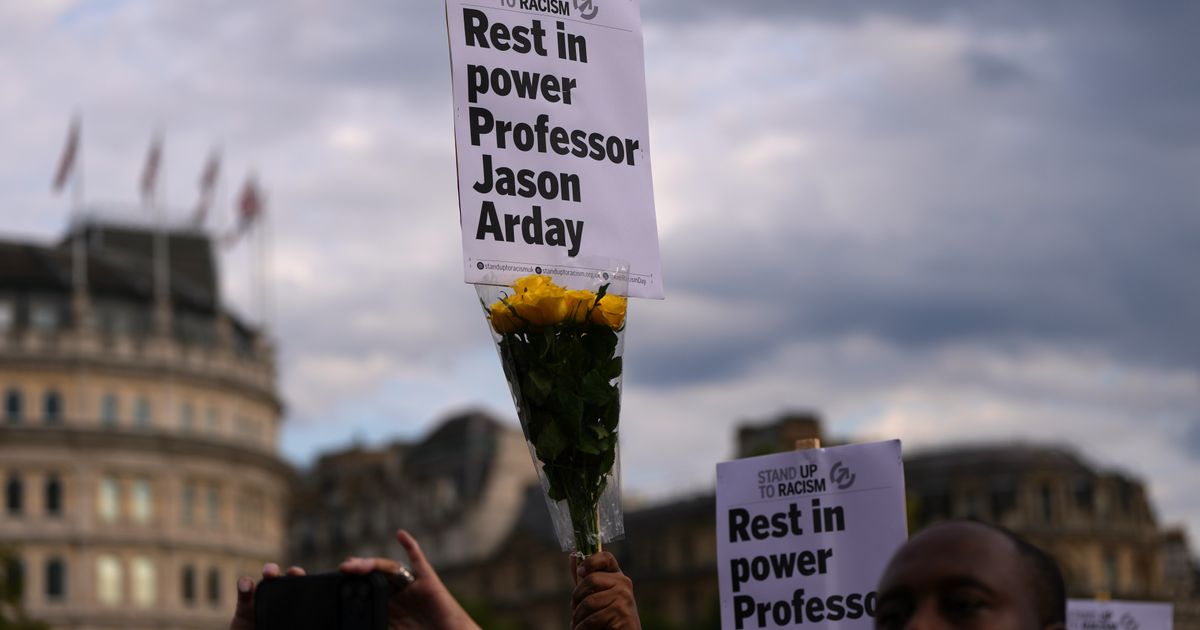
The news that Jason Arday, a Cambridge professor who faced a storm of plagiarism accusations, died suddenly and is now the subject of an inquest landed weirdly heavy for me. Not because I knew him, but because of how quickly a career can get tangled up in public judgment. We talk a lot on this campus about building trust and doing meaningful work, and stories like this are a gut check that the stakes are real people, not just headlines. It also makes you think about how we handle failure and accountability in academic spaces. We've written before about how institutions can rebuild trust, like in this piece on what WSU can learn from Cornell, and there's a thread there: the process matters, but so does the person at the center of it.
The plagiarism accusations were the storm, but the inquest is about something more basic: a life ending too soon. That's the part that's easy to lose in the noise. For every student who's been accused of cutting corners, or every professor who's been publicly dragged, there's a human story underneath. We're big on learning by doing here, but part of that is learning what happens when things go sideways. It's not just about the work you produce; it's about how you treat people when the work gets scrutinized. That's a lesson that applies whether you're at Cambridge or in a Pullman study room.
What I'd tell a reader who asked me about this is simple: don't let the outrage machine make you forget that public figures are still people. It's easy to pile on from a distance, but we've seen how quickly that can spiral. We've also covered how security lapses and poor judgment can have fatal consequences on campus, like in that report on the speaker who was killed. The common thread is that institutions and individuals both make calls under pressure, and sometimes those calls have irreversible outcomes. For us, the practical takeaway is to stay grounded. Check your sources, but also check your tone. Be honest about mistakes, but don't dehumanize the person who made them.
I'm not here to defend plagiarism or pretend it's not serious. But I am here to say that a person's legacy shouldn't be reduced to their worst moment, especially when the inquest hasn't even concluded. The open question for me is what the investigation will actually find, and whether the conversation around his death will shift from accusations to empathy. That's the detail to watch. Not because it changes what happened, but because it tells us a lot about who we are when we think nobody's looking. And that's a standard worth holding ourselves to, even when it's easier to just move on to the next story.