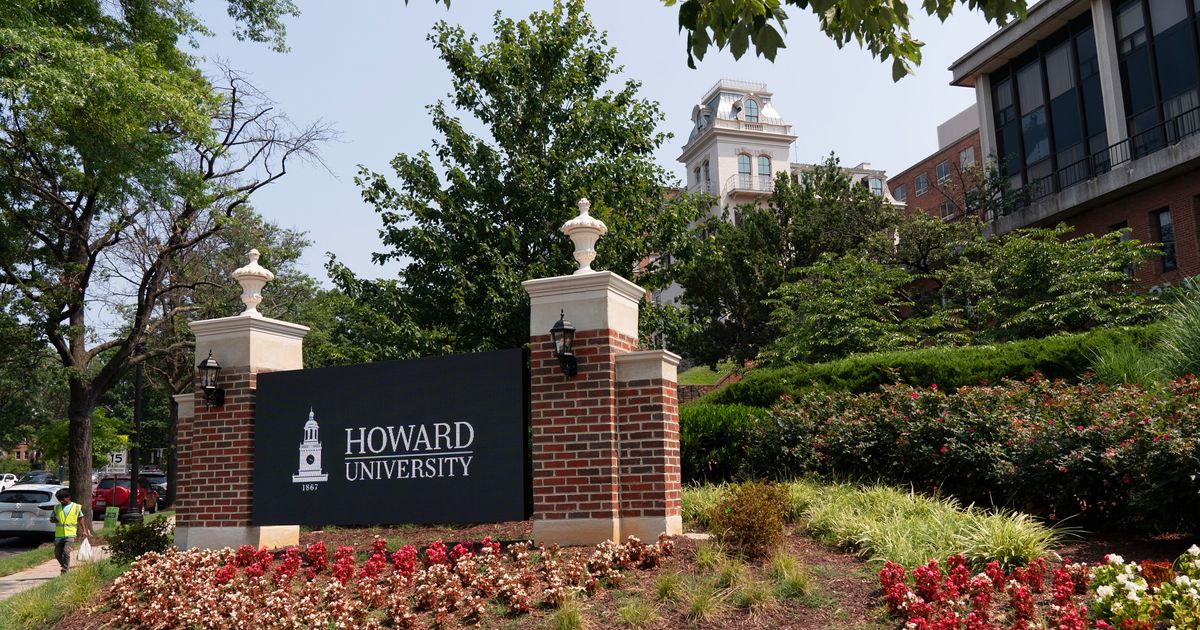
Howard University just sent a gut-punch to hundreds of incoming first-years: their spots for the fall are no longer being held. No dramatic scandal, no warning that makes sense from the outside, just a bureaucratic axe that landed weeks before move-in. And while this is a Howard story, it's a WSU story too. Because the second you let yourself believe a college acceptance letter is a contract, you're setting yourself up. We've talked before about how WSU Can Learn From Cornell: Rebuilding Trust Through Purpose and how Nebraska’s Bid to Return to Research Group Faces Scrutiny shows institutions fumbling their own credibility, but this is different. This isn't a policy debate. This is real students, real deposits, real housing plans, and a university deciding their word doesn't carry weight.
Here's the honest take: colleges aren't your friends. They're massive organizations that manage risk, and when they over-enroll, they don't eat the loss. They hand it to the students who haven't jumped through every hoop yet. Howard's move is a reminder that your spot is only as solid as the paperwork you've completed and the deadlines you've met, and even then, it's conditional. For a high school senior, this is brutal. You did the work, you chose the school, you maybe even bought the gear. Then you get a notification that says, "Actually, never mind." That's not a life lesson. That's a breach of trust. And for every student who gets caught in that, there's a ripple: they're scrambling for backup options in late July, which means fewer seats at other schools, which means someone else gets bumped.
So what do you do with this? You don't panic. You get practical. If you're a current student, this is a reminder to stay on top of your own enrollment checkpoints, financial aid verifications, and housing contracts. Don't assume anything is done until you see it confirmed in writing. And if you're a high schooler or a parent reading this, let it be a nudge to build a backup list, even if you're confident about your first choice. Keep a community college transcript option open. Know which local school has rolling admissions. It's not pessimism. It's being a practical optimist. You plan ahead, you expect a few bumps, and you make sure you're not standing there holding a plane ticket when the flight gets canceled.
The bigger question is what this says about how universities see their students. Howard's excuse is likely enrollment math, but that math doesn't account for the human cost. And it's a cost that lands hardest on first-generation and low-income students, the ones who have the least margin for error. We're not saying Howard is uniquely evil. We're saying this is a pattern, and it's worth watching whether other schools follow suit. The detail to watch is how Howard handles the fallout: do they offer priority waitlist spots, application fee waivers, a real apology? Because the students who got dropped will remember this. And the ones who didn't, the ones who are packing their bags, they just learned that their university sees them as a number that can be revised. That's a bitter way to start college. Here's hoping someone in Pullman is taking notes, because the next time an admissions office overcorrects, it could be our students. And we should expect better.