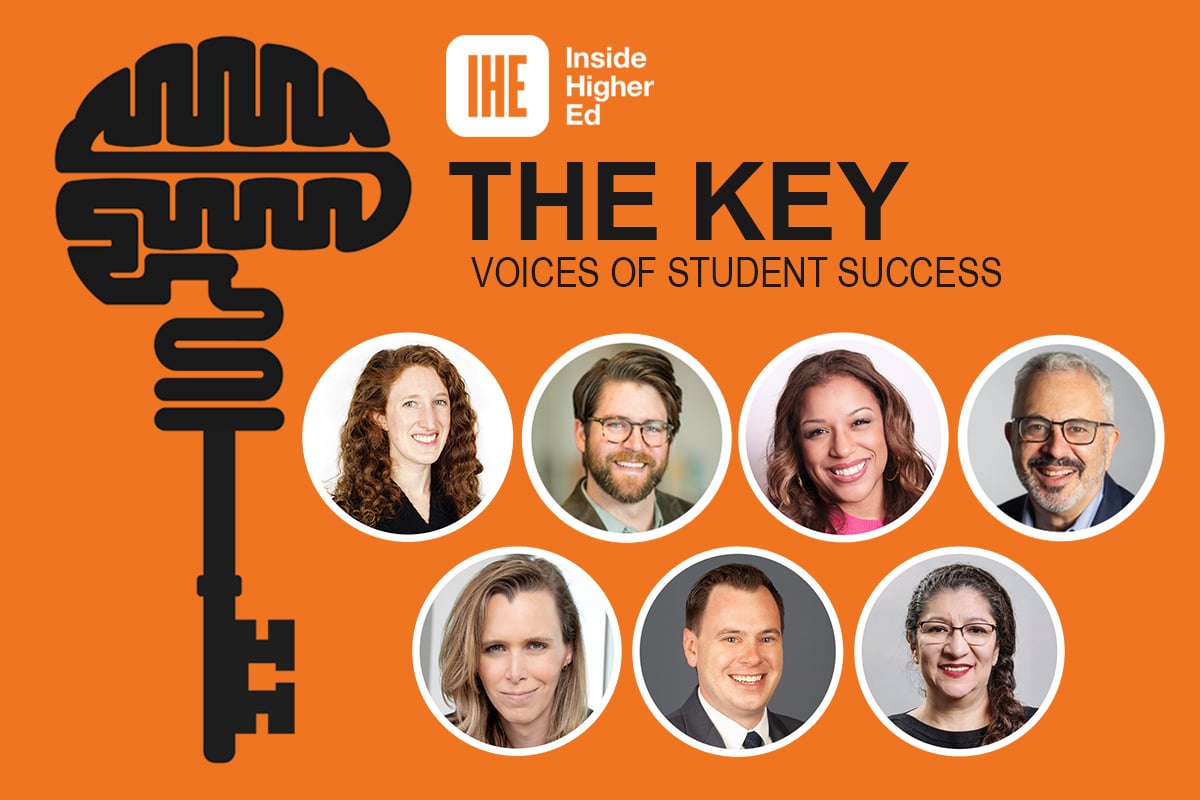
The "traditional college student" was always more of a myth than a majority, and this podcast series from Inside Higher Ed finally gives that idea the push it deserves. Our take: universities that design around a fictional 18-year-old with no job and no obligations are doing their actual students a disservice, and it is refreshing to see experts unpacking the gap between policy and real life. For Cougs, this is not abstract. We are the ones juggling a part-time grind, a group project, and figuring out if we can afford both groceries and that club dues payment. When institutions start paying attention to how we actually live, everyone wins.
The series talks about who today's students are, and the answer is messier and more impressive than the brochure version. We are older, more likely to work, more likely to care for family, and more likely to be navigating chaos with a smile and a coffee cup. That resonates with the way we operate here. Finding Home & Honors: Building Community at Sac State shows what happens when a campus builds a real community around a specific group, and WSU Can Learn From Cornell: Rebuilding Trust Through Purpose digs into why universities need a clearer sense of purpose in the first place. These stories connect: if you want students to feel like they belong, you need to acknowledge that their lives do not fit into neat nine-to-five boxes. A podcast that challenges the default image of a student is a small step, but it is a step toward policies that actually make sense for the people they are supposed to serve.
What does that mean practically? For one, it means we should expect more flexibility. If the experts are saying the traditional model is outdated, then things like evening office hours, online options, and mental health support that does not require a three-week wait should not be radical ideas. It also means we can stop apologizing for being non-traditional. If you are a commuter, a parent, or someone taking the scenic route through your degree, you are not the exception. You are the point. The podcast is a signal that higher ed is starting to catch up to what we have known all along: there is no one right way to be a student.
The question we are left with is whether institutions will actually listen or just nod along. We have seen what happens when universities talk about community without building it, and that is where the skepticism comes in. But we are also optimists, the practical kind. We will take a six-part series that names the problem over silence any day. The concrete thing to watch is what happens after the conversation ends. Does your department start offering more late classes? Does advising get more flexible? Those small shifts will tell us if the message landed. Until then, we will keep doing what we do: showing up, helping each other, and proving that the real student life is not one-size-fits-all. It is just real.