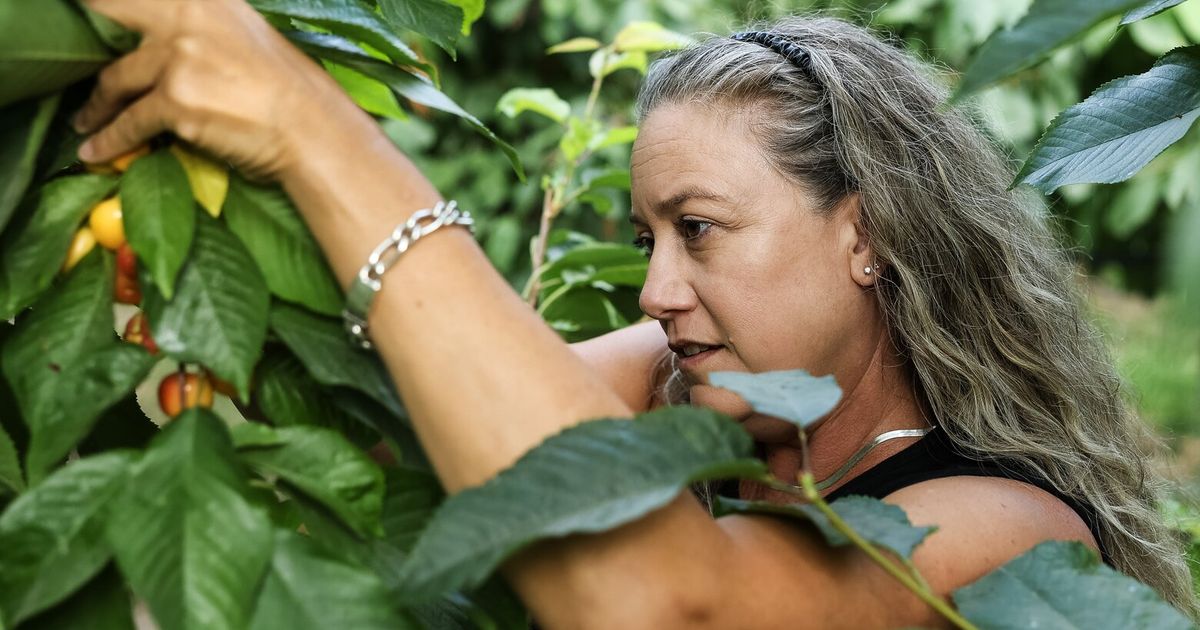
There's a specific kind of grief in watching a family orchard get sold off in Central Washington. It's not just the loss of apple trees or the irrigation rights that go with them. It's the quiet math of a family who has to decide if holding onto the land is worth more than what an investment firm will wire into their account on a Tuesday afternoon. The essay about these forced sales is a hard read because it's not about faceless corporations doing something illegal. It's about neighbors, the ones who showed up to the same diner for forty years, being priced out of a legacy they didn't ask to inherit.
This hits close to home in a weird way, even for a student in Pullman. We spend so much time talking about what we're building here, and then you read about these families who built something real, something that literally grows food, only to watch it get scooped up by holding companies that have never touched a shovel. It's a reminder that the land we walk on isn't just a backdrop for our study breaks or a good photo at the arboretum. It's a working thing, and when it gets bought out from under people who actually tend it, the whole region loses a little bit of its character. You can see the same tension in the Washington State struggles on offense in loss at Kansas State story, where the team couldn't get anything going when the pressure was on. There's a parallel there: when you don't protect your assets, whether it's a game plan or a farm, you end up watching the other side celebrate at your expense.
What makes this more than just a sad headline is what it means for the rest of us. When those investment firms buy up the water rights, they're not buying them to grow cherries. They're buying them for the future, betting that scarcity will make their portfolio look better down the road. That's a real problem for anyone who eats, which is all of us. But it's also a problem for the students here who might want to stay in Washington after graduation. If the land is owned by absentee corporations, the jobs that used to come with it, the packing sheds, the seasonal work, the local equipment repair shops, they start to dry up. We're not just losing orchards; we're losing the reason a town exists in the first place. It's the same kind of quiet shift you see in the WSU Cougars dominate all phases on way to win against Duquesne story, where the team finally clicked because every unit did its job. Here, the units are failing. The family does their part, the soil does its part, but the system around them is rigged to sell.
If a friend asked me about this, I'd tell them to pay attention to the small details, like who's actually working the fields next time you drive over the pass. And I'd point out that this isn't inevitable. There are ways to structure land trusts or co-ops that keep the land in local hands, but it takes organized people who care before the check is signed. The takeaway here is simple: the next time you buy a local apple, ask where it came from. It's a small act, but it's a vote for the kind of Washington you want to live in, one where families aren't just another line item on a corporate balance sheet. The Washington State Cougars’ Tony Freeman to miss rest of season with torn ACL news stings because you know what that player meant to the team, and you know he won't be out there. These families are the Tony Freeman of the agricultural world, and they're getting benched for good.