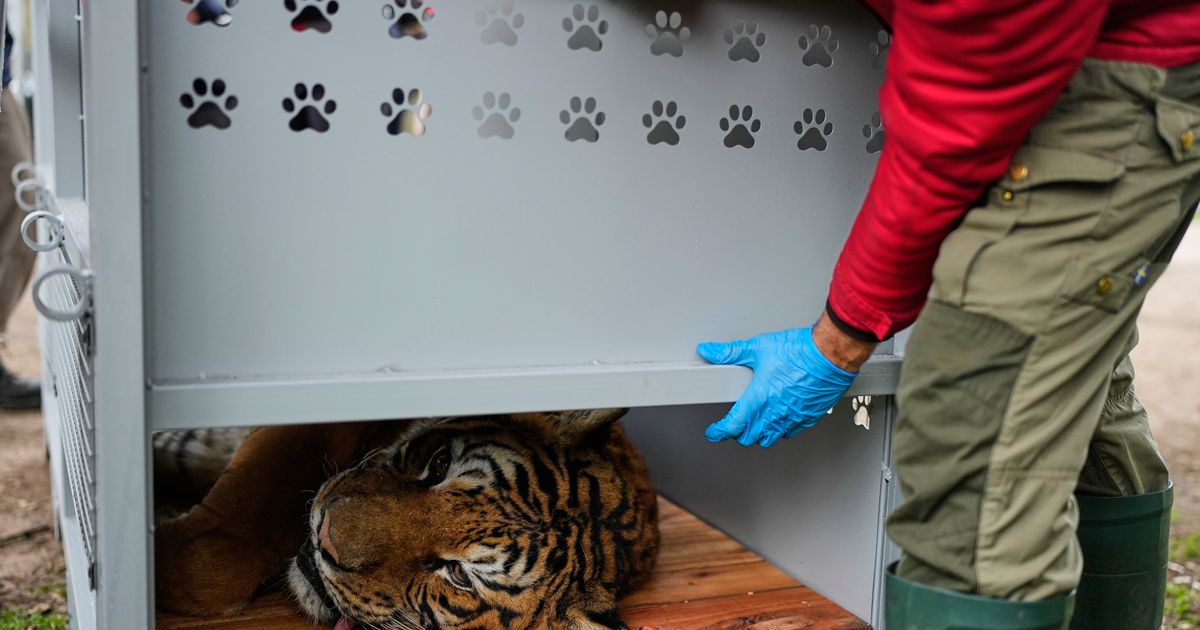
Thirty big cats are getting a second shot at something that looks like a real life, and honestly, that lands different than most animal-rescue headlines. The lions and tigers from that closed Argentine zoo are headed to sanctuaries in South Africa and the US, which sounds like the end of a sad story, but it's really the middle of a long, messy one. Animal rescuers often face years of logistics and legal fights before a single cage door opens, and sanctuaries don’t just wave them in, they have to plan for space, vet care, and whether these animals can ever truly settle. What I keep coming back to is the word "long-awaited" in that summary. Because it's not just about the miles or the paperwork. It's about the fact that some people at that zoo, probably for years, looked at those animals every day and knew they deserved better, and still had to wait until the system caught up.
Here's my take, and it's the practical one: this is what "doing the work" actually looks like, and it's not glamorous. It's not a viral video of a cat touching grass for the first time, though I'm sure that will happen and I'll cry like everyone else. It's a bunch of professionals coordinating transport, quarantine, and enrichment plans while the rest of us scroll past a headline. For our readers, the ones juggling classes and part-time gigs, the takeaway isn't "go adopt a tiger." It's that meaningful change is usually slow, unglamorous, and requires people who stay in the room after the initial outrage fades. That zoo closed, which is good. But the animals didn't just walk out, people had to build a path for them. That's a lesson in follow-through, not just good intentions. I'd tell a reader who asked, "What does this have to do with me?" that it's the same skill as showing up to a club meeting when you're tired or finishing a group project when you'd rather dip. You do the boring, hard part because the payoff is a life that's actually livable.
What I'm watching for now isn't the first week of freedom. It's the third month, the sixth, when the newness wears off and the sanctuary staff still need funding and the animals still need care. That's where the real commitment shows, and it's the same with anything worth building. If you're reading this and feeling that pull to help with something, whether it's animals or a campus cause, the question isn't "Can I make a difference?" It's "Can I stay when it stops being exciting?" Because that's what those cats needed, and that's what any good project needs. The concrete thing to keep an eye on is how those sanctuaries handle the long-term costs, because that's where stories like this either turn into a happy ending or a cautionary tale. And if you want a specific takeaway to quote, here it is: real rescue isn't the moment the cage opens, it's the decade of quiet work after the cameras leave. That's the part worth paying attention to, and the part that actually changes things.