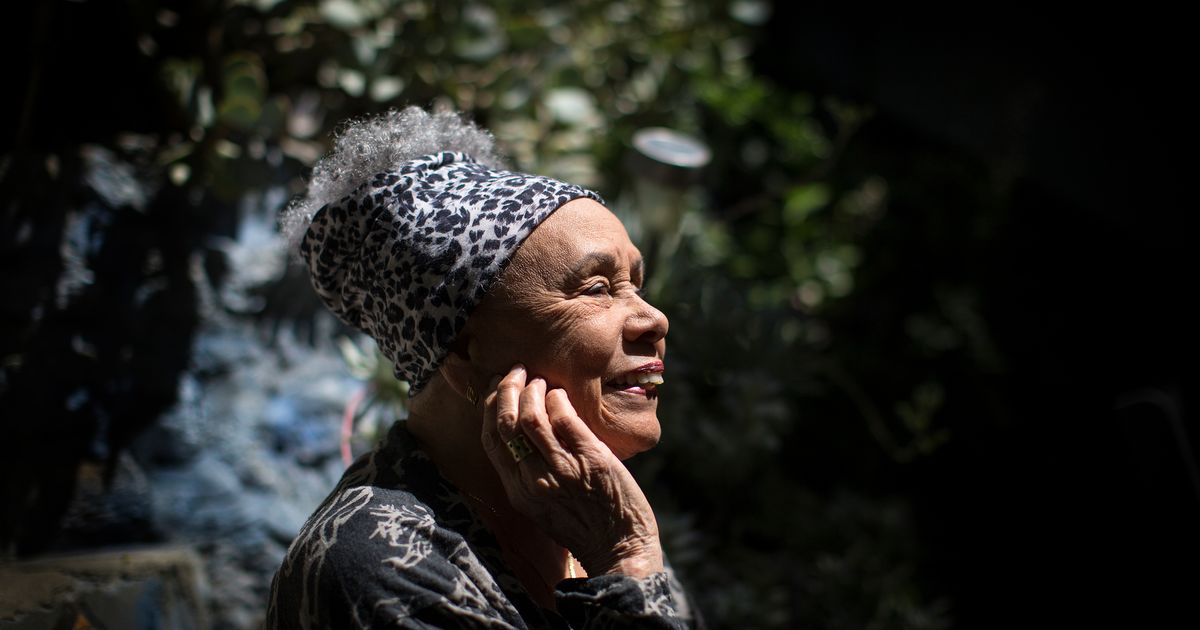
Betye Saar died in Los Angeles at 99, and if you don't know her name, that's worth sitting with for a second. She spent decades building art out of what other people threw away: old photographs, found objects, wooden boxes, bottles, even a washboard. Her work asked quiet but sharp questions about Black identity, family, and memory, and she kept asking them well into her nineties. She didn't need to be loud about it. She just kept showing up and making things that made you stop.
That's the part that hits me, because it lines up with something we don't always talk about: the value of steady, hands-on work. Saar didn't get famous overnight. She started making art while raising daughters in LA, using materials she could find around the house or at swap meets. That's not a hustle-culture flex. That's a "future me will thank me" move, one small piece at a time. And it's the same reason a lot of us are here at WSU, grinding through classes and club meetings and part-time shifts. We're not all chasing a single big break. We're building a foundation, and sometimes the most radical thing you can do is keep making your thing while the world waits for you to be an overnight success.
There's also something real about how Saar's work connected to place and community. She lived and worked in LA for most of her life, and that rootedness mattered. It's a reminder that you don't have to leave where you're from to do meaningful work. That's not an argument against going elsewhere; it's just permission to stay grounded. Around here, that looks like the Roadless rule helps protect clean drinking water for 25 million Americans, new study shows research out of the University of Washington, which reminds us that local choices about land and water have ripple effects far beyond one town. Saar's art did the same thing, just on a different canvas. She took the everyday and made it mean more, without pretending it was something it wasn't.
So here's my honest take: Saar's death isn't just a moment to look back. It's a practical prompt for us to keep making things, even when they're small, even when no one's watching. Keep the coffee-stained notes, keep the half-finished projects, keep showing up to the study group even when you're tired. That's how a body of work happens. That's how a life happens. And that's the detail worth watching: what are you building right now that you'll only understand the value of later? Because Saar's legacy isn't just her finished pieces. It's the proof that showing up consistently, with your own hands, in your own place, is enough.