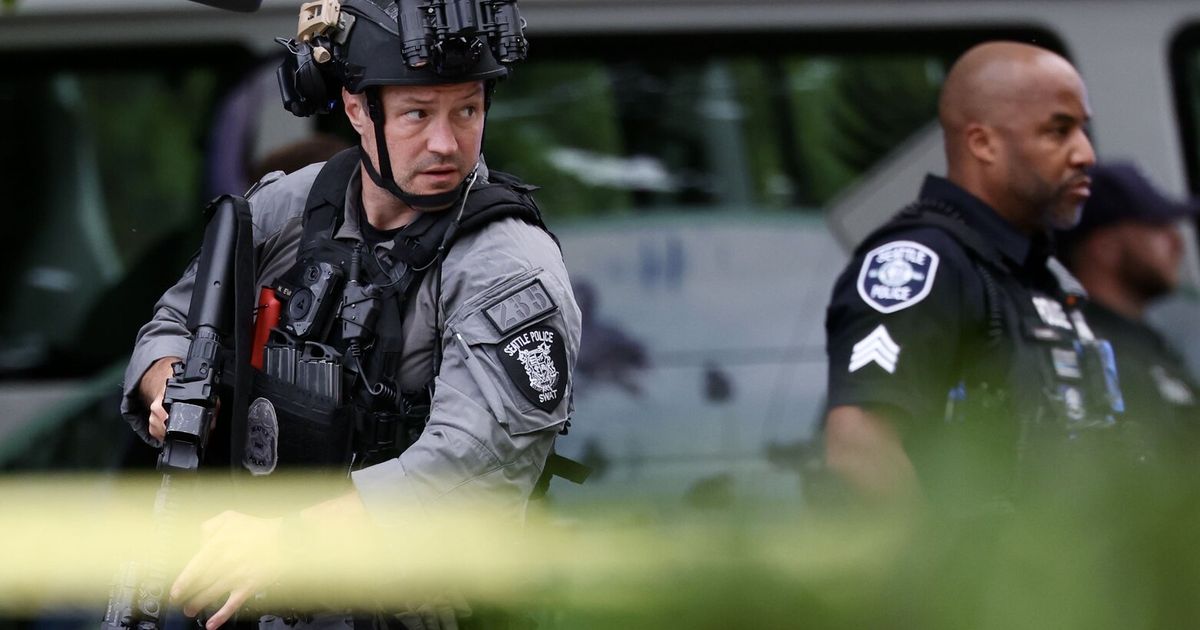
The first thing I noticed in the Seattle Times report wasn't the chaos, though that's what sticks. It was the quiet after. A reporter at the Bite of Seattle, doing the same thing we all do at a food festival, suddenly in the middle of something none of us ever want to be in. No big warning. No clean narrative. Just a shift from "grab a bite" to "find cover," and then the hard part of figuring out what happens next. That moment between hearing the sound and knowing it's real is its own kind of time warp. I've never been through that, and I hope I never am, but I've stood in enough crowded spaces on campus to know how thin that line feels.
For anyone reading this who was there, or who has a friend who was, this isn't a story about statistics. It's a story about how quickly a normal Saturday becomes something else. The reporter's account is valuable because it doesn't try to make sense of it. It just shows what it looks like when people react, when they pull each other behind tables, when they check on strangers like they're old friends. That's the part that gets me. Not the fear, which is real, but the instinct to grab the person next to you. We talk a lot about community at WSU, about showing up and pulling each other in. This is what that looks like when it actually counts. Not a club meeting or a group project, but the raw, unglamorous act of making sure the person next to you is still breathing.
Here's my honest take, and I think this is what we'd tell a reader who asked: don't let this turn you into someone who stops going to the Bite of Seattle or any other local event. That's the easy response, and it's also the wrong one. The better response is to be the kind of person who pays attention. Know where the exits are. Keep your phone on you. Check on your friends, not because you're paranoid, but because that's what a solid person does. If you're feeling a little shook, that's fair. That's not weakness, that's your brain doing its job. The reporter's account is a reminder that these moments don't come with a script. So the practical takeaway isn't about avoiding the world. It's about being a little more awake in it. Here’s a piece on how crowds respond in active shooter situations, and another on how to talk to friends about event safety without turning it into a lecture.
What I'm watching for now isn't the investigation, though that matters. It's what happens in the next few weeks. Do we get a statement from the organizers about what they'll change? Do we see more security at the next big thing, or does it fade back to normal because that's easier? The open question is whether this becomes a moment where we actually adjust how we do these gatherings, or if we just call it a fluke and move on. I don't have the answer. But I know that the reporter's job was to be there and tell us what it felt like. Ours is to decide what to do with that. For me, it's this: I'm still going to show up, but I'm going to be a little more present when I do. That's not fear. That's just being a responsible person. And if you ask me, that's a pretty solid way to be a Coug.