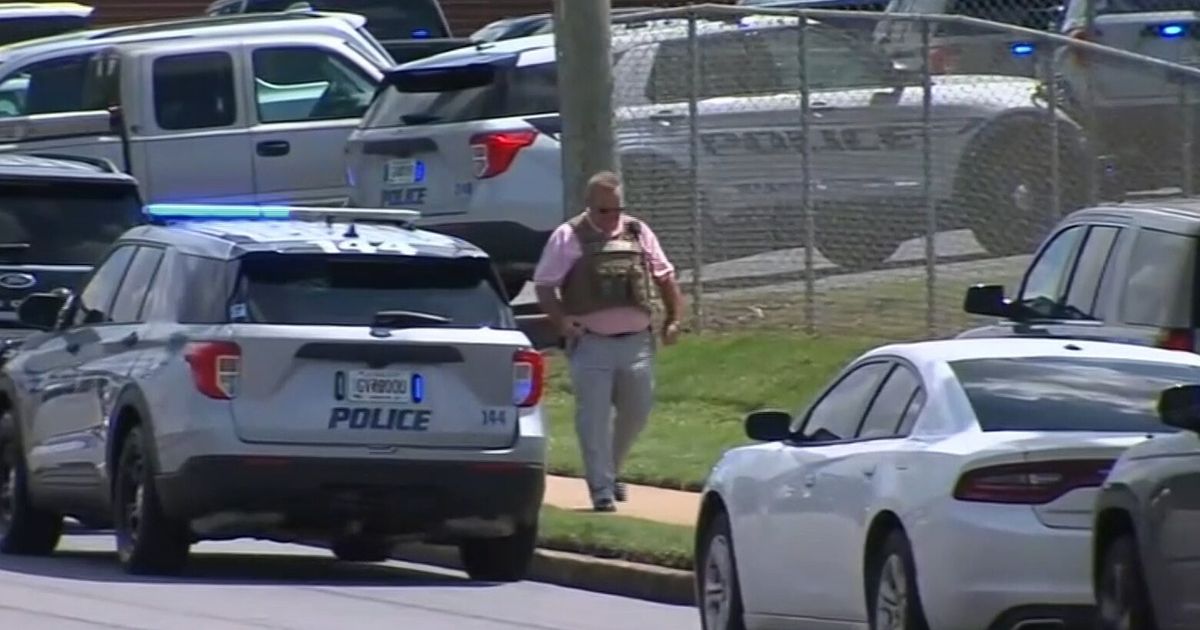
Another school shooting. Another photo of police tape and a backpack left behind. This time it's a high school in Georgia, and one student is wounded. A suspect is in custody. The details are still thin, but the weight of it isn't. We've seen this loop enough times to know the next few days will bring condolences, hashtags, and a familiar argument about what to do next. I'm not here to add to the noise. I'm here because this hits close to home, even from 2,000 miles away.
For WSU students, this isn't abstract. We walk the same kind of hallways. We sit in the same kind of classrooms where the exits are mapped on the wall and we mostly ignore them. When a story like this breaks, it's not just a headline. It's the text you send your friends to check they're okay. It's the split second of panic when you see a missed call from an unknown number. We tell ourselves Pullman is different, and maybe it is. But that's not a plan. That's a hope, and hope isn't a strategy. The practical thing we can do, the only thing that feels real, is to know where we are and who's around us. Know your exits. Share your location with a friend. Pay attention to the quiet stuff, the comments that feel off. That's not paranoia. That's just being a decent neighbor.
I'd tell any Coug who asks: don't scroll past this one and move on. That's the easy move, and we're better than easy. This is a moment to check in with your people, not with a generic "you good?" but with something real. "Hey, that Georgia thing. You doing okay?" Because the truth is, we're all carrying a little more than we say. And the community we brag about, the one that shows up for football games and study groups, that only works if we also show up for each other when it's uncomfortable. We don't need to become security experts. We need to become people who notice. Who ask. Who don't let someone sit alone in the library for the third night in a row without checking in.
The specific thing I'm watching now is what happens next in Georgia. Not the political stuff, that's a circus. I mean the actual response. How the school communicates. How the community holds space for the wounded student and their family. Whether the suspect, who is young and in custody, gets treated like a person or a prop. That's the detail I'm holding onto. Because in a story this grim, the smallest choices tell you the most about who we are. And for us, back in Pullman, the takeaway is simple: we can't stop every bad thing, but we can be the reason someone doesn't have to go through it alone. That's not a slogan. That's a text. Send it.