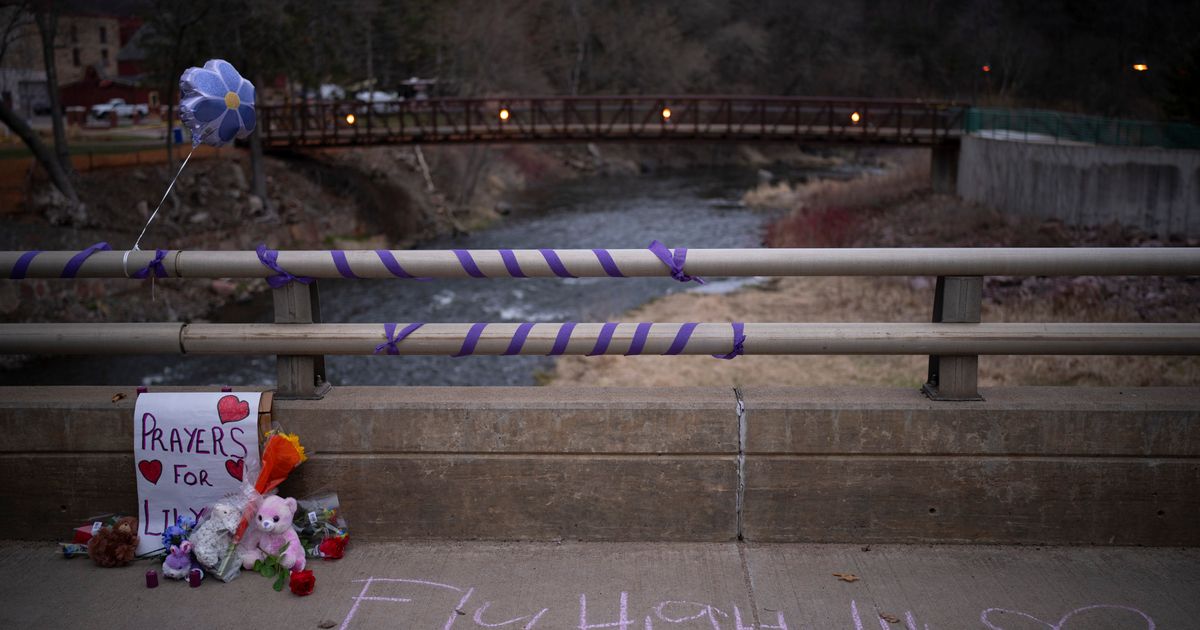
There are stories that stop you cold, and then there are the details you carry with you afterward. A 10-year-old girl in Wisconsin is dead, and her cousin has now pleaded guilty to first-degree intentional homicide and received a life sentence. That is the raw fact. But the weight of it, a child killed by someone in her own family, someone close enough to be called cousin, is the kind of weight that doesn't leave you. It makes you think about safety, trust, and the spaces where we assume we are protected. It also makes you wonder what systems failed along the way, which is a question that connects to other stories we've been following. The DOJ Finds Racial Discrimination at George Washington U Medical School and the Utah University Apologizes After Dropping College Republicans Probe are both about institutions that were supposed to protect people and didn't. Different contexts, same uncomfortable question: who is watching out for the vulnerable, and what happens when the people in charge look away?
I don't say that to draw a straight line between a murder case and a university investigation. That would be sloppy. But I do think our readers, students, young professionals, people building their lives in real time, know what it feels like to trust a system and get burned. A medical school that discriminates. A university that drops a probe and then apologizes. A family that loses a child to someone inside the home. These are not the same thing, but they share a pattern: the people with power to act sometimes don't, and the consequences land on someone else. The specific takeaway I keep coming back to is this: accountability is not automatic. It has to be demanded, and it has to be built into the way we treat each other every day.
If a reader asked me about this story, here is what I would say. It is heartbreaking, and it is also a reminder that the communities we build, the ones we choose, the ones we show up for, matter in ways we don't always see until it is too late. You cannot prevent every tragedy. You cannot vet every person. But you can practice paying attention. You can be the person who asks a hard question when something feels off. You can be the one who shares resources, who pulls others in, who says "hey, are you okay?" and means it. That is not a grand solution. It is a small, practical habit. And it is the kind of thing that might, in some other situation, make a difference.
The cousin will spend life in prison. The girl will not come back. The only concrete question left is what we do with the unease this story leaves behind. I would watch how Wisconsin handles the case moving forward, whether there are broader reviews of child welfare or family safety protocols. That is the detail to track. Because the next story like this one will happen somewhere, and the only thing we control is whether we learned anything from the last one.