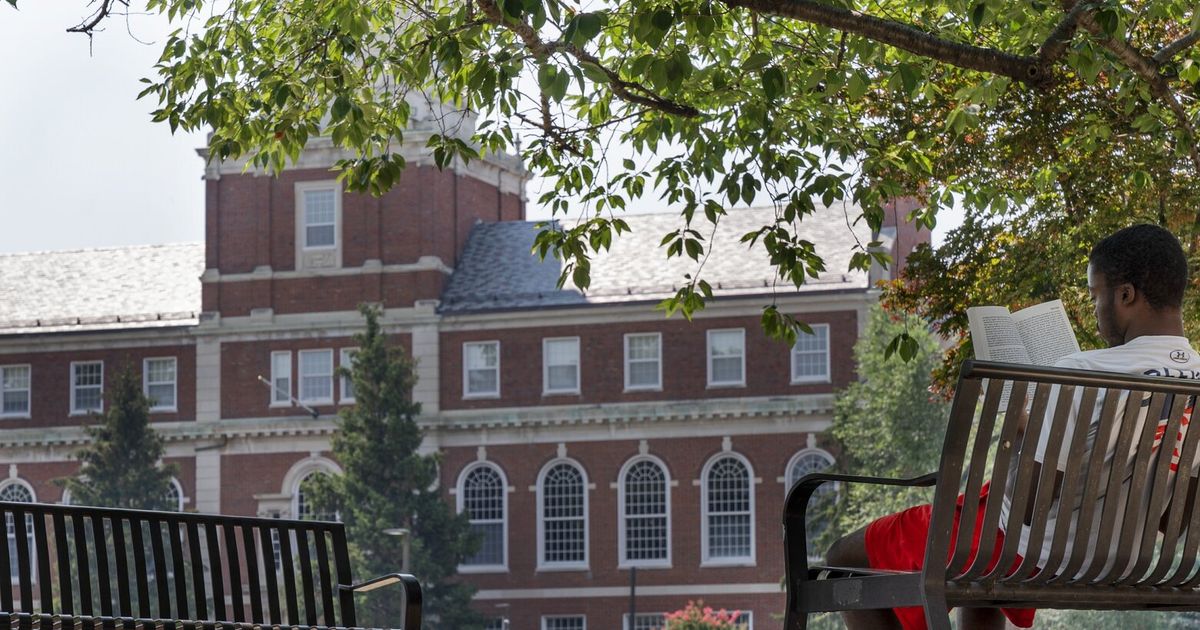
It's a brutal way to start college: you've got the acceptance letter, the roommate assignments, the excitement. Then, weeks before move-in, the university tells you that your spot is gone because your tuition balance didn't clear. That's the reality for more than 500 incoming Howard University students this week, just ahead of an Aug. 17 semester start. No amount of planning on their end changes the fact that they're now scrambling for a Plan B while watching their classmates pack for D.C.
I'm not going to pretend to know the full financial aid maze these families navigated. But I do know that when an institution makes a decision this consequential this late, it says something about where students actually stand in the pecking order. It's easy to frame this as a personal responsibility issue, but that ignores how fragile the whole system is. One missed form, one processing delay, one miscommunication, and suddenly you're out. That's not accountability; that's a trapdoor. It reminds me of the friction we see closer to home, like the conversations around the Heads Up, Cougs: New Academic Officer Survey Drops, where the focus is on how administration actually serves students. Here, the message is clear: pay on time or don't let the door hit you on the way out.
For our readers, this is a practical warning, not just a sad headline. If you're heading to any university this fall, treat your financial aid portal like it's a part-time job. Check it weekly. Call the bursar's office and ask for confirmation in writing. I know it feels like overkill, but so does losing a spot you already paid for. This also makes me think about how quickly institutions move when they want to, like the Utah University Apologizes After Dropping College Republicans Probe, where the school found the time to walk back a decision after public pressure. The machinery works when it wants to. The question is whether it works for the students who need it most.
The part that stings is the silence around the human cost. These aren't just numbers on a spreadsheet; they're kids who probably turned down other offers to be at Howard. They might have already bought plane tickets or told their families goodbye. And now they're left holding a receipt for a dream that got canceled. I'd tell any student in this situation to lean on the community you've built, not the institution. Talk to your high school counselor, call your state reps, loop in the local news. Make noise. And for the rest of us watching, let's stop treating this as a one-off glitch and start asking why our systems are built to drop people so easily. The real test isn't whether you can get in; it's whether the school has your back when things go sideways. So far, for 502 students, the answer is a hard no. That's the detail worth watching: how many of them get reinstated, and how many are left to rebuild from scratch.