Thai Oil Tanker Safely Transits Strait Of Hormuz After Diplomatic Talks With Iran
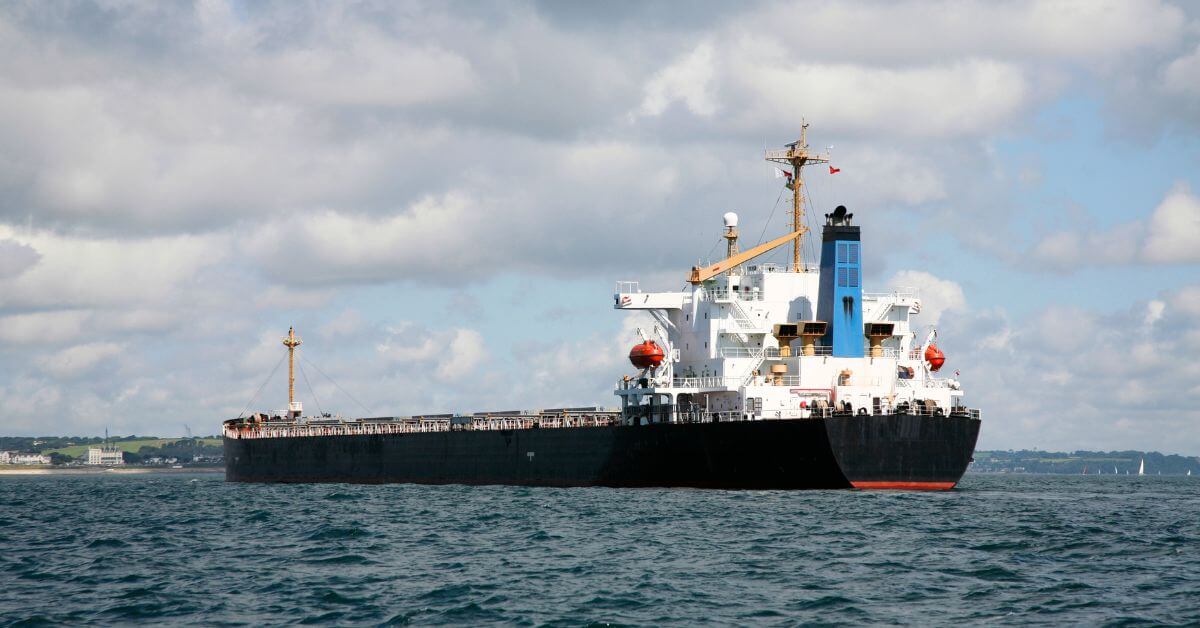
A Thai oil tanker has safely passed through the Strait of Hormuz after Thailand coordinated with Iran and Oman, a Thai official and the tanker’s owner said on Wednesday.
The tanker, owned by Bangchak Corporation Plc, had been anchored in the Persian Gulf since March 11 and is now on its way to Thailand, expected to deliver crude oil in early April.
Thai Foreign Minister Sihasak Phuangketkeow held talks with Iran’s ambassador to Thailand and requested that Thai ships be allowed to pass safely through the strait.
Iran agreed and asked Thailand to provide the names of vessels that would transit. Two Thai vessels, the Bangchak tanker and another owned by SCG Chemicals, have so far been approved. No payment was involved for this transit.
The safe passage comes amid rising tensions in the Gulf following U.S. and Israeli actions against Iran.
About one-fifth of the world’s oil and liquefied natural gas passes through the Strait of Hormuz, and the conflict has disrupted shipments, increased transportation costs, and caused longer queues at gas stations in Thailand.
Two weeks ago, Thailand-flagged bulk carrier Mayuree Naree was hit by a projectile in the strait, causing a fire and forcing the crew to evacuate.
Iranian and Omani authorities reached the vessel, but Thailand is still awaiting updates on three missing crew members.
The Bangchak tanker’s transit was coordinated through the Thai embassy in Muscat and Iran’s embassy in Bangkok.
The Iranian Embassy in Thailand said the passage showed close cooperation between the countries and added, “Friends have a special place.”
A new “safe corridor” in Iran’s territorial waters has emerged recently, and at least nine ships have passed through it. Countries including India, Pakistan, Iraq, Malaysia, and China are also in talks with Iran for transit.
The Islamic Revolutionary Guard Corps (IRGC) is developing a vetting system for ships that could involve tolls up to $2 million per vessel, payable in Chinese yuan.
So far, only one tanker is known to have paid. Ships using the route must provide details about ownership and cargo destinations in advance.
Currently, around 400 vessels, including 150 tankers, 120 bulk carriers, and 130 other ships, are waiting outside the strait.
References: Reuters, thailandnews
Want to read more?
Check out the full article on the original site