Bahrain Seeks UN Approval To Use Force In Strait Of Hormuz To Protect Shipping
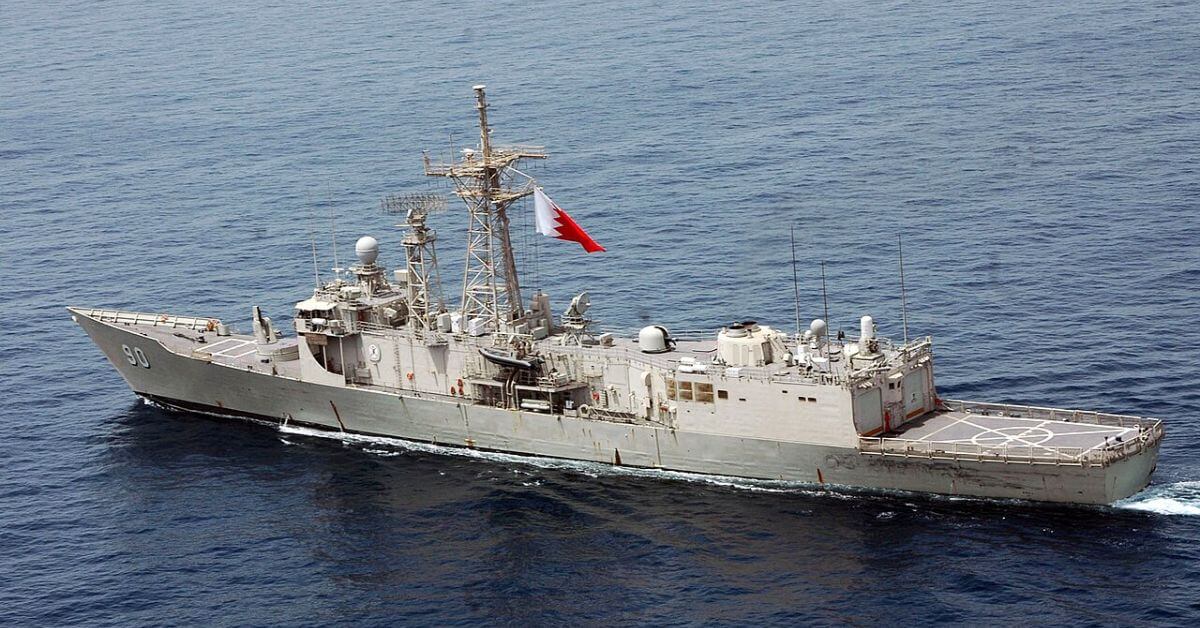
Bahrain has submitted a draft resolution to the United Nations Security Council asking for approval to use force to protect commercial shipping in and around the Strait of Hormuz.
The proposal would allow countries to use “all necessary means,” a term used in UN language to indicate military force, to ensure safe passage for vessels.
Diplomats said the draft has backing from other Gulf Arab countries and the United States, but they also said it is unlikely to be adopted.
Concerns are rising that Iran could keep threatening ships in the Strait of Hormuz, a key route that carries about 20 million barrels of oil per day, roughly one-fifth of global supply, and supports Gulf economies.
Iran has long viewed closing the Strait as an option, and shipping in the area has slowed sharply after recent attacks on vessels during its conflict with the United States and Israel.
The draft resolution describes Iran’s actions as a threat to international peace and security and demands that it immediately stop targeting merchant ships and interfering with navigation in the region.
The text would allow countries to act alone or as part of multinational naval coalitions to use force in and around the Strait, including within the territorial waters of nearby states, to keep the route open and prevent any disruption to international shipping. It also mentions the possibility of further measures, including targeted sanctions.
The resolution is being proposed under Chapter Seven of the UN Charter, which allows the Security Council to take actions ranging from sanctions to military force.
However, diplomats from Europe and other Western countries said there is little chance it will pass, as Russia and China are expected to veto it if required.
For any resolution to be adopted, at least nine of the 15 members must vote in favor and none of the five permanent members, the United States, Britain, France, Russia, and China, can veto it.
Diplomats said France is working on a separate draft that could seek a UN mandate later, once tensions in the region ease.
At the same time, three U.S. officials told Reuters that about 2,500 Marines, along with the amphibious assault ship USS Boxer and other warships, are being sent to the region, though their exact role has not been confirmed.
Two officials said there has been no decision on whether troops would be sent into Iran itself, but earlier reports suggested possible targets could include Iran’s coast or its Kharg Island oil export hub.
Earlier this month, the Security Council passed another Bahrain-led resolution, known as Resolution 2817, which condemned attacks linked to Iran on Gulf states and Jordan and called for them to stop.
That resolution was adopted with 13 votes in favor, while Russia and China abstained and did not use their veto power.
References: Reuters, balkanweb
Want to read more?
Check out the full article on the original site