3 min readfrom Marine Insight

Iran Says Strait Of Hormuz Remains Open To Global Shipping Except ‘Enemy-Linked’ Ships After Trump’s 48-Hour Threat
Iran Says Strait Of Hormuz Remains Open To Global Shipping Except ‘Enemy-Linked’ Ships After Trump’s 48-Hour Threat
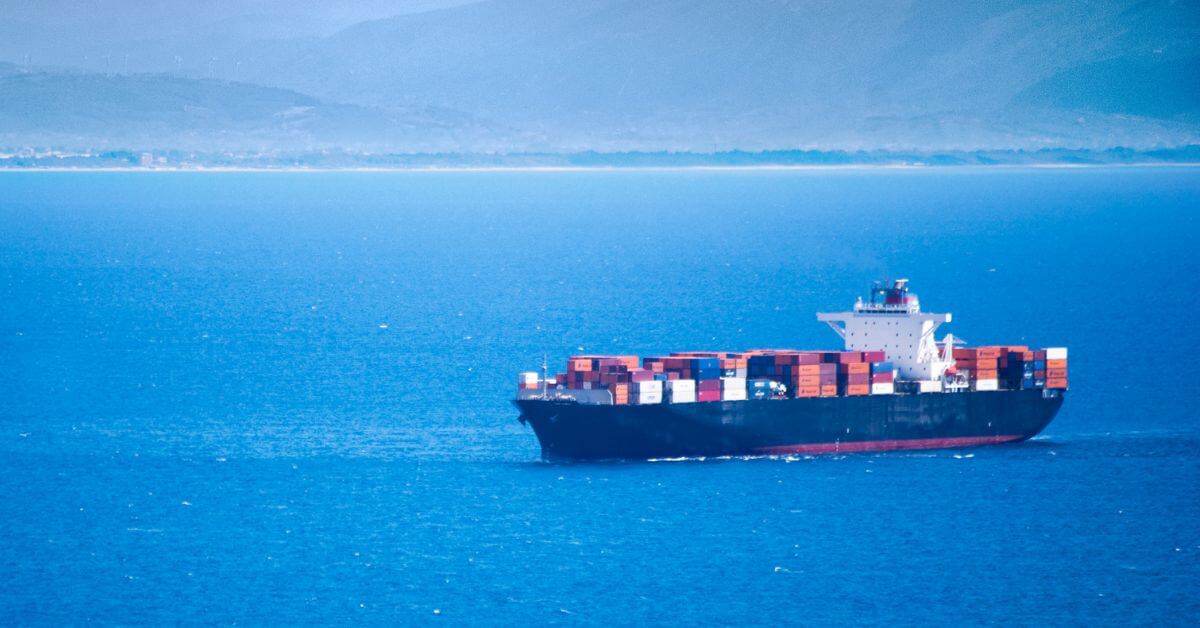
ship
Image for representation purposes only

Iran has said the Strait of Hormuz is still open to global shipping, but warned that ships linked to its “enemies” may not be allowed to pass.

Iran’s representative to the International Maritime Organization, Ali Mousavi, said ships not linked to the United States, Israel, or their allies can continue to pass.

However, these vessels must coordinate safety and security arrangements with Iranian authorities before entering the route.

At the same time, ships considered “enemy-linked” could face restrictions. This is a change from earlier threats to fully close the route, but it still creates uncertainty for ship operators.

The situation escalated after Donald Trump warned that the United States could target Iranian power plants within 48 hours if the strait is not fully open.

The warning comes as tensions rise between the U.S. and Israel in the region. Iran said it might target U.S. and Israeli energy and technology facilities in response.

The Strait of Hormuz links the Persian Gulf to the Arabian Sea and carries about 20 million barrels of oil per day. It is a main route for oil exports from Saudi Arabia, Iraq, the UAE, and Qatar.

Because of the rising tensions and security threats, some tanker operators have already slowed or avoided transit through the area.

Any disruption can raise oil prices, delay shipments, and force producers to cut or change output. Even partial restrictions can quickly affect global supply.

The U.S. is trying to form a naval group to escort commercial ships, but some NATO countries are hesitant. Similar escorts were used during tanker attacks in 2019, but the current situation is riskier due to direct threats between countries.

References: Reuters, Firstpost

Want to read more?

Check out the full article on the original site

View original article

Tagged with

#ocean data
#data visualization
#climate change impact
#Strait of Hormuz
#Iran
#global shipping
#enemy-linked ships
#Trump
#U.S.
#Israel
#International Maritime Organization
#shipping route
#tensions
#safety and security arrangements
#vessels
#restrictions
#Iraqi power plants
#cooperation
#energy facilities
#technology facilities