WSU student finds apple variety thought to be extinct
Our take
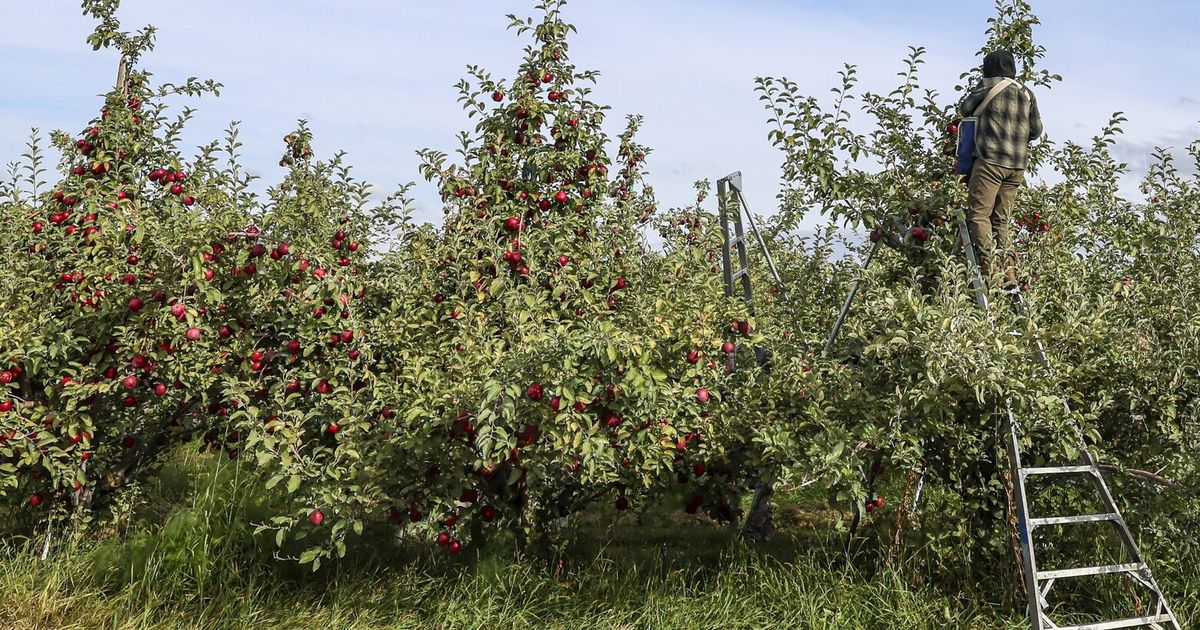
It’s easy to get caught up in the noise of college life—the Apple Cup drama Washington Huskies survive Apple Cup scare, top WSU Cougars, the shifting landscape of college athletics WSU coaching legends share memories and a collective groan over modern college chaos, even the constant stream of data trying to make farming more efficient From weather data to smarter farms with WSU. But sometimes, the most meaningful stories are the quiet ones, the ones that remind us of the deep roots connecting us to this place and to history. The story of Tayettin Brodzinski, the WSU student reviving the Walbridge apple variety, is one of those. It's a testament to the power of curiosity, dedication, and a little bit of unexpected grit—even from someone who, admittedly, isn’t a huge fan of apples. This isn't just about an apple; it's about preservation, about reconnecting with our agricultural heritage, and the surprising places innovation can be found.
The revival of the Walbridge apple speaks volumes about the fragility of biodiversity and the importance of diligent record-keeping. Lost varieties often represent unique genetic traits, potentially holding keys to disease resistance, climate adaptability, or even just a distinctive flavor profile that modern agriculture has overlooked. The Walbridge, once a popular choice in the Pacific Northwest, faded from prominence, its story nearly erased. Brodzinski’s work, driven by a research project and a genuine interest in uncovering the past, prevents that erasure. This kind of meticulous work, the kind that involves careful propagation and observation, is the backbone of agricultural resilience. It’s a counterpoint to the often-simplified narratives around food production, a reminder that behind every grocery store apple is a complex history of cultivation, adaptation, and sometimes, near-loss. It’s a low-key, steady effort, perfectly embodying the “community-first” and “curious builder” traits we see in so many WSU students.
Beyond the immediate impact on apple diversity, Brodzinski’s project highlights the role of students in driving impactful research. Universities aren’t just places for learning; they’re engines of discovery, and often, it’s the students who are asking the most interesting questions. This kind of hands-on experience is invaluable, providing practical skills and a sense of ownership that can shape future careers. It’s a perfect example of “learning by doing,” something we often talk about but don't always fully realize the potential of. And it’s inspiring to see a student, seemingly uninterested in the subject matter itself, still dedicating time and energy to a project with such significant potential. It showcases a practical optimism—acknowledging the challenges but pushing forward regardless. The story also resonates with the broader WSU ethos of contributing to the community and the state's agricultural legacy.
So, what’s next for the Walbridge apple? Will it find its way back onto farmers' markets and into pies? More importantly, will Brodzinski’s success inspire other students to unearth forgotten stories and revive lost traditions within our food systems? The quiet act of rescuing an apple variety holds a powerful lesson: sometimes, the most significant advancements come not from chasing the newest trends, but from carefully tending to the roots of the past. It’s a question worth watching, a sign of a campus and a community that values both innovation and preservation.
Tayettin Brodzinski doesn't really like apples. But her work is bringing new life to the Walbridge apple variety, once thought to be extinct.
Read on the original site
Open the publisher's page for the full experience