With lingering high costs, many find themselves ‘fired from retirement’
Our take
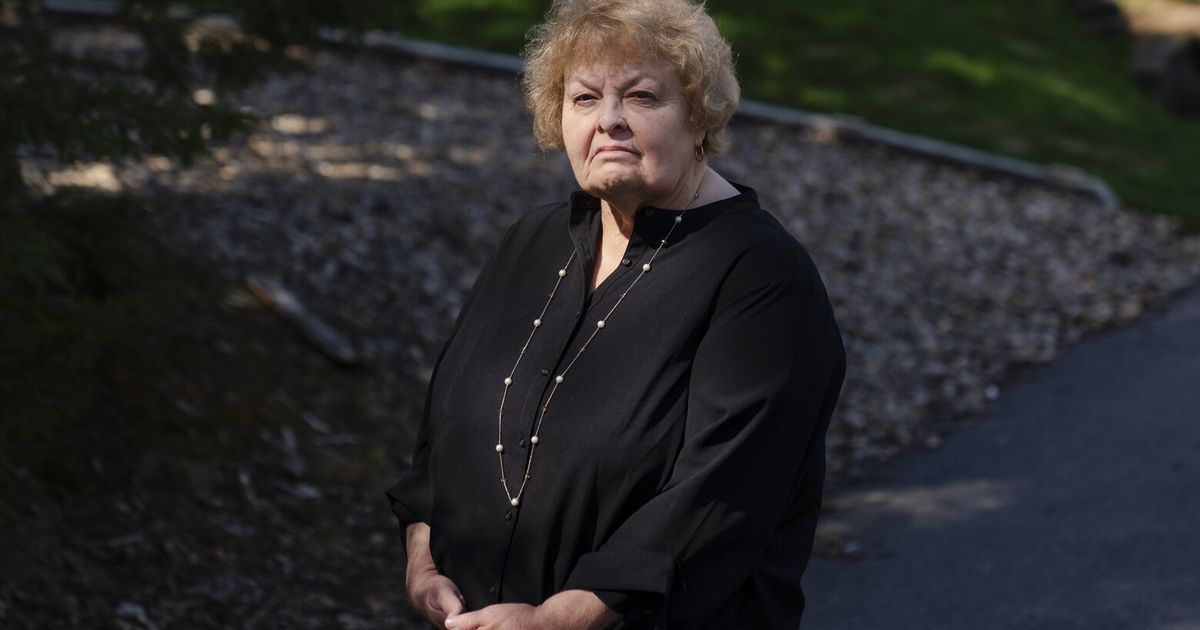
Pat Archer is 73 and working part-time at an assisted living facility outside Boston, keeping track of residents' hairdresser appointments and bridge games because that is what she needs to do to stay afloat. That is not retirement. That is survival. And she is far from alone. The story of Archer, as reported recently, is a gut-punch reminder that the so-called golden years aren't golden for everyone, especially when costs stay high and savings stay thin. It is the kind of reality that hits close to home for anyone trying to plan a future on a tight budget, and it connects to struggles communities across Washington are already confronting in real ways. Take the UW researchers who launched a pilot to map little free pantries across Seattle, recognizing that food access is a daily fight for too many people. When the cost of simply eating is a crisis, it is no surprise that the cost of stopping work is even more out of reach for someone like Archer. And when a Nobel Prize winner and Husky alumna like Mary E. Brunkow addresses new graduates, it is worth asking whether the next generation will even have the option to step back from work at a reasonable age.
Here is the part that should bother all of us. This is not a story about someone who failed to plan. Archer did what she was supposed to do, and the math still did not work out. Inflation spiked, and it did not just vanish. Housing, healthcare, groceries — those costs climbed and mostly stayed climbed. For people who played by the rules for decades, the reward is a part-time paycheck instead of a porch and a quiet morning. That is a broken equation. And the ripple goes deeper than one person's bank account. When a 73-year-old is staffing a care facility, she brings experience and heart to the job, but she is also trading rest for survival. Nobody at that stage of life should have to make that trade.
This matters for younger people too, and not just out of sympathy. If retirement is becoming a luxury good, it reshapes every calculation a 20- or 30-year-old makes about student loans, home buying, and career risk. It makes the safety net feel paper-thin. It makes side gigs less like a hustle and more like a lifeline. On a campus like WSU, where students are already balancing jobs and coursework and trying to build something meaningful, this reality hits close. You are not just planning your own future. You are watching your parents and grandparents navigate theirs in real time. That is a shared burden, and it demands a shared response.
So where does this leave us? Honestly, in a place that is uncomfortable but necessary to sit with. Real solutions — better retirement policy, more affordable healthcare, wages that track with actual costs — are complicated and slow. But we can start by refusing to treat this as normal. Pat Archer's story should feel wrong, not inevitable. The question worth watching is whether this generation of students, the ones juggling classes and side jobs and an economy that keeps shifting the goalposts, will actually build something better. Or whether we will just keep passing the bill forward. I want to believe we are better than that. But believing and doing are different things, and that gap is the part that keeps a lot of us up past midnight.
Pat Archer knows the routines of residents at the assisted living facility outside Boston where she works, keeping detailed notes to remind them of hairdresser appointments, bridge games and family visits. Having a part-time job isn’t how she envisioned her life at 73.
Read on the original site
Open the publisher's page for the full experience