What to know about attempts to force out the Universities of Wisconsin president
Our take
In a significant turn of events within the University of Wisconsin system, the board of regents is attempting to force the university's president to retire or face termination. This conflict raises substantial questions about governance in higher education and the broader implications for university leadership across the nation. With a student body of 165,000, the stakes are high, not just for university administration but for the entire community, including students, faculty, and alumni. Similar issues of academic freedom and administrative accountability have surfaced recently, highlighted by cases such as the Court Rules Texas State Must Reinstate Prof Fired for Israel-Palestine Talk and the ongoing challenges faced by Kentucky State University in their battle against new state laws, as seen in the article Kentucky State University Students, Alumni Sue to Block New State Law. These instances reflect a growing trend where university administrations are under intense scrutiny, raising concerns over academic freedom, governance, and the autonomy of educational institutions.
The situation at the University of Wisconsin serves as a microcosm of the larger tensions within American higher education today. As universities grapple with diverse stakeholder interests—from state governments to student bodies—administrators must navigate a precarious landscape that often prioritizes political considerations over educational values. The president's fight against the board's attempts to oust him can be seen as a stand for institutional integrity, yet it also exposes the fragility of leadership in an era where accountability is paramount. This conflict could set a precedent, influencing how boards of regents and presidents interact in the future, potentially reshaping the dynamics of university governance across the country.
Moreover, the implications of this struggle extend beyond administrative politics. The president's leadership style, decision-making, and strategic vision directly affect the student experience and the overall educational environment. A leadership vacuum, particularly in a large university system, can lead to instability, impacting everything from funding for student programs to the recruitment and retention of faculty. As institutions face funding cuts and increasing public scrutiny, the ability of leadership to advocate for the needs of their student bodies becomes even more crucial. In this context, the fight for the president's position is not merely a personal battle; it is emblematic of the challenges facing higher education as a whole.
As we look ahead, the outcomes of this conflict at the University of Wisconsin will be worth monitoring closely. Will the board's actions embolden other regents to take similar stances against their leadership? Or will this situation prompt a reevaluation of how boards, presidents, and stakeholders communicate and collaborate? In a time when universities are wrestling with their roles in society, the resolution of this conflict could have far-reaching implications for the governance of higher education institutions across the nation. As stakeholders, including students and faculty, continue to advocate for their interests, the balance of power may very well shift, redefining what it means to lead a university in the 21st century.
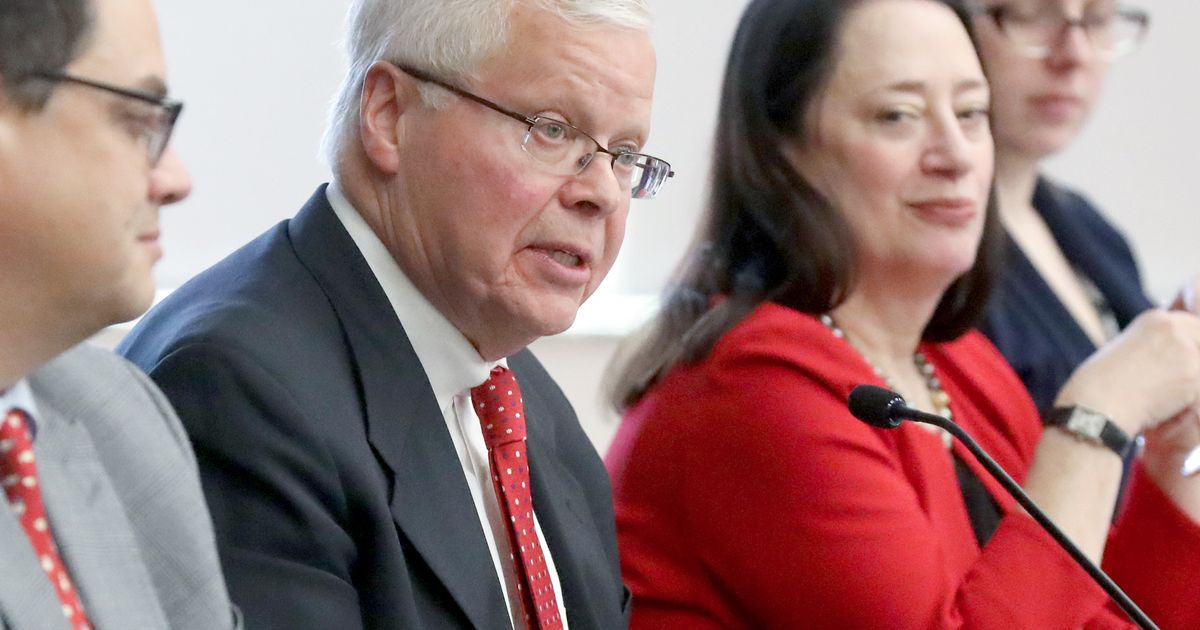
The president of the 165,000-student University of Wisconsin system is fighting attempts by the board of regents to force him to retire or face being fired.
Read on the original site
Open the publisher's page for the full experience