WA Senate advances bill to ease DUI toxicology backlog
Our take
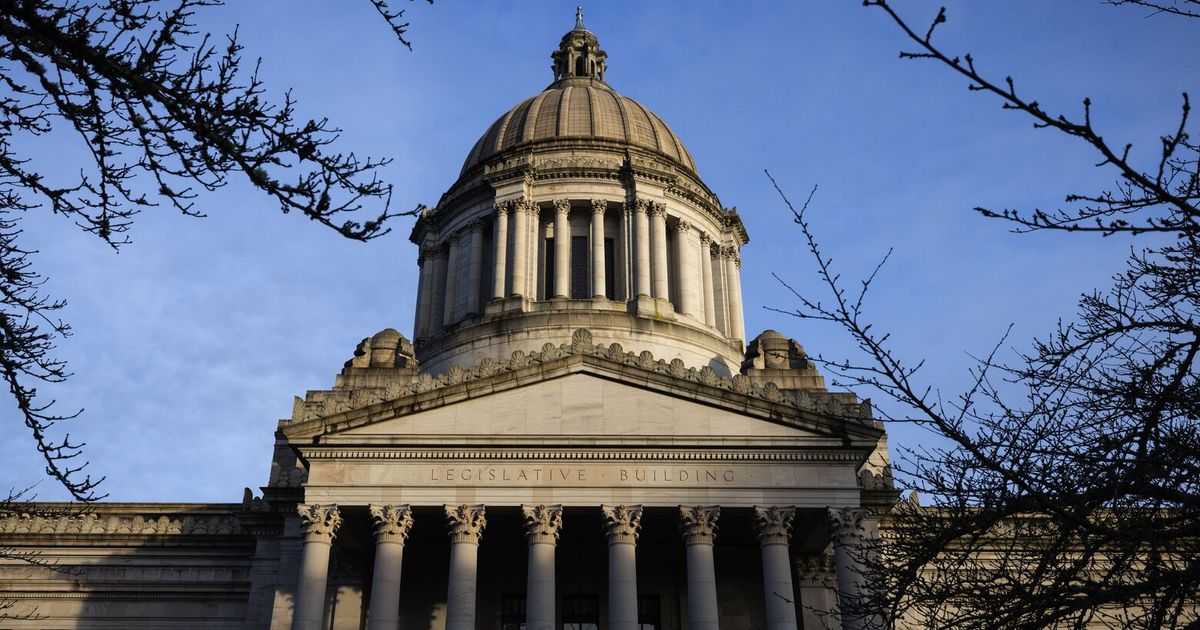
The Washington Senate's recent unanimous passage of SB 5880, allowing private labs to handle DUI toxicology testing, is a significant step toward addressing the 15,000-case backlog at the Washington State Patrol. This decision not only aims to expedite the testing process, but it also highlights the pressing need for reform in how the state manages its public safety resources. As we see from other recent developments in higher education and public policy, such as the Court Rules Texas State Must Reinstate Prof Fired for Israel-Palestine Talk and Kentucky State University students seeking to block new laws, the intersection of policy reform and community impact is becoming increasingly vital.
The backlog of DUI toxicology cases has far-reaching implications. Delays in testing not only hinder justice for victims and communities affected by impaired driving, but they also place undue strain on the legal system. When cases stagnate, it creates a ripple effect that can lead to mistrust in law enforcement and the judicial process. By introducing private labs into the equation, the Senate is not merely looking to alleviate a logistical issue; they are actively seeking to restore faith in public safety measures. This initiative reflects a broader trend of seeking innovative solutions to systemic problems, much like the UW researchers deciphering beluga calls to bolster conservation efforts, where collaboration and creative thinking are essential to achieving measurable outcomes.
Moreover, this bill represents a shift toward a more community-centric approach in dealing with DUI cases. By utilizing private labs, the state could foster a more collaborative environment where public entities work alongside private sectors to enhance efficiency and accessibility. This move can empower local communities by ensuring that their voices and concerns are prioritized in the legal process. It’s a reminder that solutions often come from thinking outside traditional frameworks and embracing new partnerships—an essential lesson for students and citizens alike who are navigating their own paths in an ever-evolving landscape.
As we look ahead, the effectiveness of SB 5880 will hinge on its implementation. Will private labs be able to meet the standards and timelines necessary to make a real difference? Additionally, as Washington State explores new avenues for public safety, it raises broader questions about how other areas of governance can adapt similarly. Are there other legal processes that could benefit from similar reforms, and how might this change the relationship between citizens and their government? The success of this bill could serve as a blueprint for future initiatives aimed at optimizing state resources while fostering community trust.
In the end, SB 5880 is more than just a legislative measure; it’s a commitment to progress and accountability. The real test will be in the execution and whether this new approach can effectively mitigate the backlog and, ultimately, enhance public safety. As we keep an eye on the outcomes, it will be interesting to see how this initiative influences public perception and policy in Washington and beyond.
The Washington Senate unanimously passed SB 5880 to allow private labs in DUI cases, aiming to cut Washington State Patrol's 15,000-case toxicology backlog.
Read on the original site
Open the publisher's page for the full experience