Trump picks a University of Minnesota professor to lead his economic council
Our take
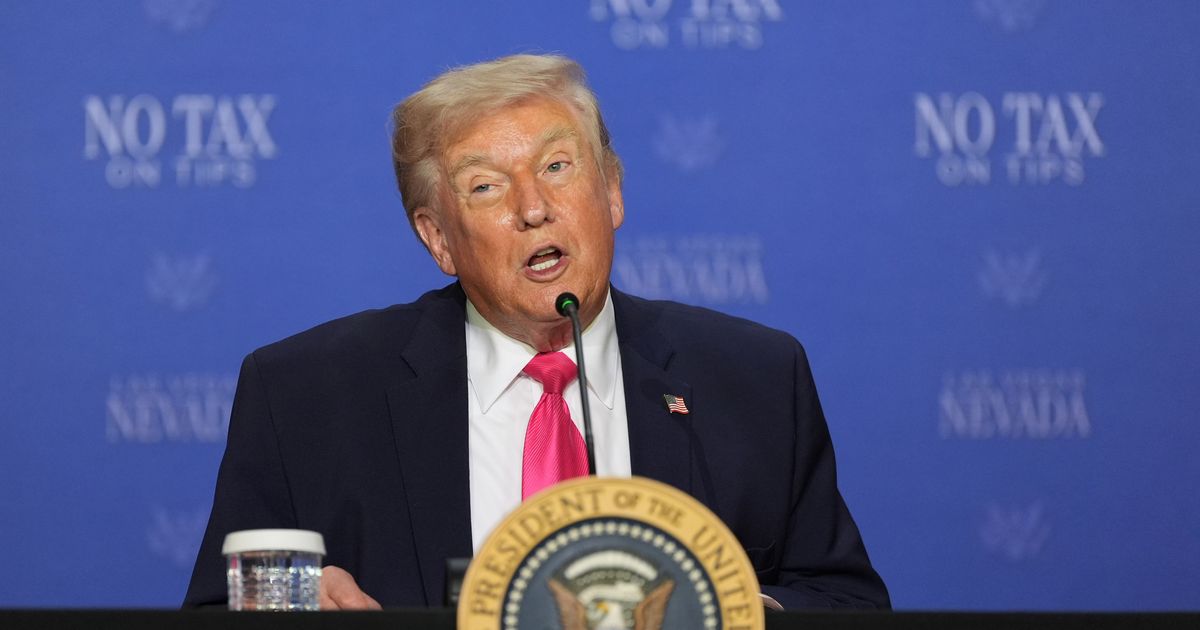
The recent nomination of University of Minnesota economist Christopher Phelan as the chairman of the White House Council of Economic Advisers has stirred a mix of excitement and skepticism within academic and political circles. Phelan’s selection by President Donald Trump underscores a continued trend of integrating academic expertise into governmental roles, especially in economic policy. However, this move raises essential questions about the implications of such appointments in our current political landscape, particularly as we navigate complex economic challenges.
Phelan is recognized for his work in macroeconomic theory and monetary policy, and his appointment signals a potential shift towards a more analytical and data-driven approach in economic governance. This is crucial when considering the contentions surrounding current economic strategies. For instance, as highlighted in the article “Court Rules Texas State Must Reinstate Prof Fired for Israel-Palestine Talk,” academic freedom and the ability to discuss contentious topics can significantly influence public discourse. The integration of scholars like Phelan might foster a more nuanced understanding of economic policies, yet it also brings to light the need for critical examination of how these policies are communicated and implemented.
In a time when economic disparities are widening, the role of the Council of Economic Advisers becomes increasingly significant. The decisions made by this council can have far-reaching effects on various communities, including students and emerging professionals who are striving to build their futures amidst economic uncertainties. For instance, the recent events surrounding the “Kentucky State University Students, Alumni Sue to Block New State Law” demonstrate the rising tensions between state legislation and higher education, which can impact the economic prospects of students. Phelan's leadership may offer an opportunity to address such disparities by advocating for policies that prioritize equitable growth and opportunities for all.
Moreover, as we consider Phelan's nomination, the importance of interdisciplinary collaboration becomes evident. Economists must engage with sociologists, environmental scientists, and public policy experts to craft holistic solutions that consider the multifaceted nature of economic challenges. An example of a collaborative effort can be seen in the work by researchers at the University of Washington, as noted in the article “UW researchers decipher beluga calls to bolster conservation efforts,” which highlights the intersection of environmental conservation and economic policy. Such interdisciplinary approaches are essential in ensuring that economic strategies are sustainable and socially responsible.
Looking ahead, it will be crucial to monitor how Phelan’s economic policies unfold and their impact on various communities. Will his academic background translate into actionable strategies that address the pressing economic issues facing students and young professionals today? The effectiveness of his leadership will ultimately depend on his ability to maintain an open dialogue with diverse stakeholders and adapt to the rapidly changing economic landscape. As we observe these developments, the question remains: can an academic economist bridge the gap between theory and practical policy solutions in a politically charged environment?
President Donald Trump is nominating University of Minnesota economist Christopher Phelan as the next chairman of the White House Council of Economic Advisers.
Read on the original site
Open the publisher's page for the full experience