The Worst Possible Moment to Rethink Your Relationship
Our take
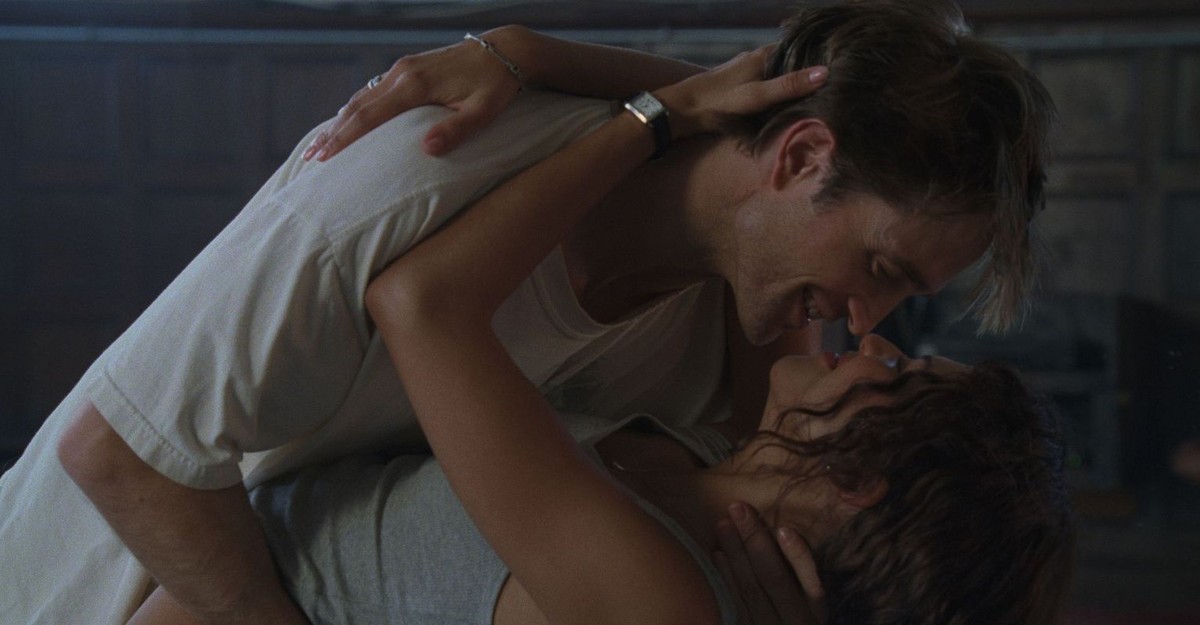
Kristoffer Borgli’s latest film, *The Drama*, dives into the murky waters of relationships and personal histories, challenging viewers to confront uncomfortable truths about love, trust, and the secrets we carry. As the film unfolds, it becomes clear that the real drama lies not just in the shocking revelation that disrupts a couple’s impending nuptials but also in the broader implications of such revelations for both individuals and their social circles. This exploration resonates deeply, especially in a world where the personal is often politicized, much like the discussions around academic freedom seen in articles like Court Rules Texas State Must Reinstate Prof Fired for Israel-Palestine Talk or the legal battles faced by students and alumni at Kentucky State University in Kentucky State University Students, Alumni Sue to Block New State Law.
At its core, *The Drama* is a keenly observed satire on the pressures of modern relationships. The characters Emma (Zendaya) and Charlie (Robert Pattinson) initially seem like the perfect couple, embodying a polished, aspirational image. However, the film quickly dismantles this facade when Emma shares a shocking revelation at a dinner party, sending Charlie into an existential spiral. This moment is not just about the personal crisis of one character but reflects a collective anxiety about knowing others and the secrets we all harbor. The film cleverly navigates the tension between public personas and private realities, prompting the audience to question what lies beneath the surface of every relationship.
Borgli’s use of humor amid serious themes makes the film both engaging and disturbing. The comedic elements, particularly through Pattinson’s portrayal of a bumbling yet charming fiancé, serve to offset the gravity of Emma’s confession. This dynamic highlights the complexities of masculinity and vulnerability in relationships. While Charlie's comedic clumsiness provides levity, his internal struggle with Emma’s past raises the critical question: can love truly withstand the weight of secrets? This inquiry resonates especially in today’s climate, where the notion of “forgiveness” is often complicated by societal expectations and personal histories.
As the narrative unfolds, viewers are left to grapple with the consequences of Emma's admission and the broader implications it holds for their understanding of relationships. The film does not offer easy answers; instead, it invites contemplation about the nature of intimacy and the burdens of the past. The flashbacks to Emma’s youth provide context but also serve to complicate the audience’s perception of her character. It prompts a reflection on the societal issues that often remain unaddressed, much like the nuanced discussions in pieces like UW researchers decipher beluga calls to bolster conservation efforts, where the importance of understanding communication—whether in marine life or human relationships—becomes paramount.
*The Drama* ultimately stands as a mirror reflecting the often unspoken truths of modern relationships. As viewers, we are left pondering not only the secrets we keep from others but also those we keep from ourselves. Will this film challenge audiences to reevaluate their own relationships, or will it serve as a cautionary tale about the dangers of superficiality in love? As we move through our own lives and relationships, it might be time to ask: how well do we really know the people we claim to love?
The drama of The Drama isn’t a total secret—if you’re looking to spoil the button-pushing premise for yourself, a quick Google search will do the trick. But the writer-director Kristoffer Borgli’s new film hinges on the viewer’s reaction to one character’s shocking revelation. The film doesn’t linger on its provocation, however; instead it sits with the moment’s ramifications in ways both darkly funny and sneakily challenging. Whether it tickles or offends, The Drama seems intent on generating a strong reaction from everyone who sees it.
And with Zendaya and Robert Pattinson as its stars, many people will likely go see it. Both actors are fond of taking some risks in the projects they pick, and this time they’re rolling the dice with Borgli. The Norwegian filmmaker’s last effort was Dream Scenario, a surreal comedy that never quite gelled. The Drama thankfully has a tighter focus. Charlie (Pattinson) and Emma (Zendaya) seem to be an ideal couple, well matched in looks and career—he’s a bumbling but handsome British museum director; she is a spunky, beautiful bookstore clerk. That impression changes when, days before their nuptials, while she and Charlie hang out with friends, Emma shares a dark story from her past, throwing her fiancé into a deep existential crisis.
What she tells them is crucial, and not just as a way to get the plot rolling. Emma’s history is jarring, rooted in her uncomfortable experiences as a teenager. Charlie isn’t sure how reliable she is as a narrator of her earlier misdeeds, and neither is the audience. That disconnect is the point of Charlie’s panic—can you ever really know someone? Even the person you’re planning to spend the rest of your life with? Emma’s past behavior is very specific and horrifying to consider, yet what makes The Drama broadly appealing is Charlie’s anxiety about it. Anyone who’s even been adjacent to planning a wedding of any size has borne witness to what this couple is going through: pondering what fond memories to put in their vows, what friends they should pick to give speeches, how to present their coupledom within the expectations of matrimony. Borgli has nasty fun with that pressure (an obnoxious photographer, played by Zoë Winters, is a highlight), before really twisting the knife with Emma’s big admission.
[Read: The existential terror of monogamy]
That comes at a dinner table with Emma and Charlie’s best friends, Mike (Mamoudou Athie) and Rachel (Alana Haim). Rachel dares the group to reveal “the worst thing” they’ve ever done, then reacts with total revulsion when Emma actually divulges something alarming. Weddings are designed to portray the most manicured vision of a couple, but Borgli wants his viewers to reckon with a question: What secrets could everyone involved—including the guests and members of the wedding party—have buried to protect that image? Zendaya, who has the more dramatic role, deftly captures the growing isolation that comes with her confession; she constantly looks on the verge of either vomiting or scratching her skin off once her friends and fiancé begin to perceive her differently.
Pattinson is Zendaya’s incredibly funny foil. He leans into full buffoonery, stumbling over furniture and stammering every other line like he’s Hugh Grant from Four Weddings and a Funeral on turbo mode. It’s a sweetly observed take on gentle masculinity coming unhinged, and stands among the best performances Pattinson has ever given. Since hitting it big with Twilight (as the longed-for romantic lead), the actor seems to be most interested in attacking the concept of alpha heroism in every way he can—for example, as the dirtbag grifter he played in Good Time and the Looney Tunes–voiced grunt worker in Mickey 17. In The Drama, Pattinson embodies Charlie as the model of tame, harmless Brit charm, and the minute the actor has built his character up, he clearly takes perverse delight in unraveling him.
But Borgli isn’t just delivering a biting satire on the ultimate case of cold feet. He also offers little snippets of Emma’s past in flashback to chew over, and leaves it to the viewer to decide what is or isn’t forgivable. Her transgression is one of the worst things imaginable; in a way, what Emma is hiding stems from a societal ill that gets papered over every day. The Drama doesn’t know how to solve that problem. It does know that there’s a wicked sport in picking away at it.
Read on the original site
Open the publisher's page for the full experience