Tennessee appeals court says school shooter’s writings can be made public
Our take
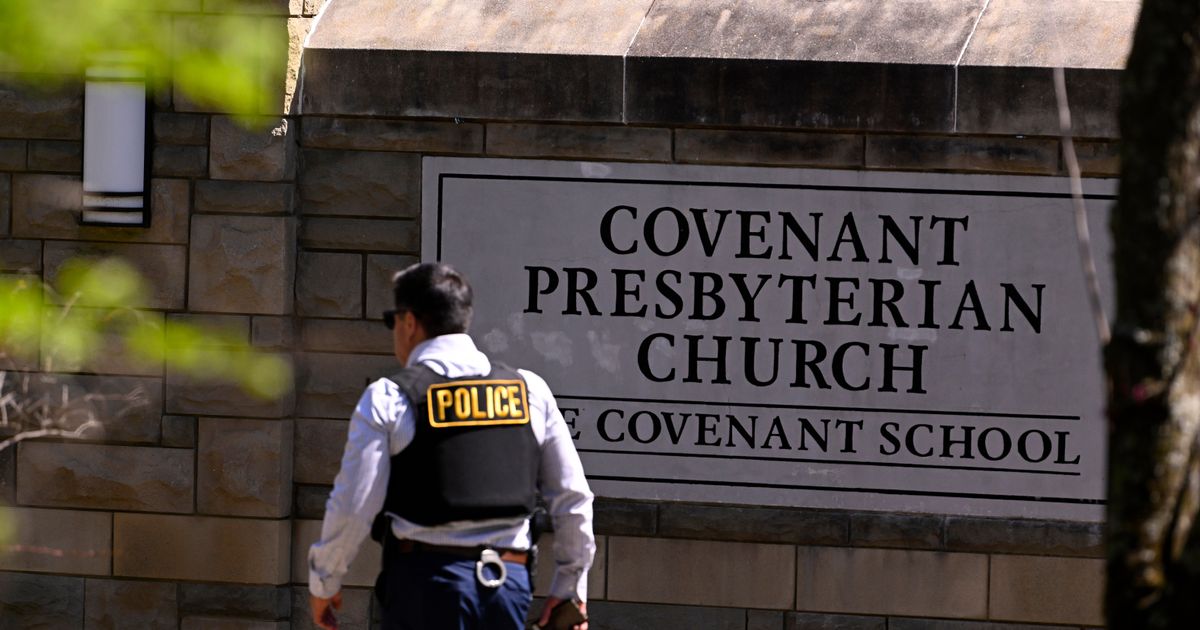
In a significant legal ruling, a Tennessee appeals court has decided that the writings of the shooter responsible for the tragic deaths of six individuals at the Covenant School in Nashville can be made public. This decision raises complex questions about transparency, the public's right to information, and the ethical implications of sharing the intimate thoughts of someone who committed such heinous acts. As we grapple with issues surrounding gun violence and school safety, the availability of these writings may provide insights into the motivations and mindset of the shooter, but it also carries the risk of sensationalism and increased trauma for the victims' families and the community.
The ruling comes amidst a broader national dialogue about accountability and the consequences of gun violence, themes echoed in other recent judicial decisions. For instance, in a separate case, Kentucky State University Students, Alumni Sue to Block New State Law, the ongoing struggle for students to voice their concerns highlights the importance of free expression in educational settings. Similarly, the decision regarding the Covenant School shooter’s writings intersects with discussions about how we handle sensitive information in the wake of tragedy, as seen in cases like Court Rules Texas State Must Reinstate Prof Fired for Israel-Palestine Talk, where academic freedom is tested against societal pressures.
One of the core issues at play is the balance between public interest and the potential for harm. On one hand, the release of these writings may help law enforcement and mental health professionals understand patterns associated with violent behavior, potentially informing preventive measures in the future. On the other hand, there is a palpable fear that such revelations could lead to a glorification of the shooter, inadvertently offering a platform for those seeking notoriety through violence. The human cost of these events is profound, and the families affected by this tragedy must navigate their grief while the details of their loved ones’ deaths are thrust into the public eye.
Moreover, this ruling invites us to consider the societal implications of making such writings public. In a world where information spreads rapidly and often without context, there is a real danger that the nuances of the shooter’s motivations will be lost in sensational headlines. How do we ensure that the dialogue surrounding this tragedy remains respectful and focused on healing rather than voyeurism? As we reflect on this decision, it is crucial to engage in discussions about the ethical responsibilities of media outlets, policymakers, and the public in handling sensitive information.
As we move forward, the question remains: how will this ruling shape our understanding of violence and the narratives we construct around it? Will it encourage a more profound societal reflection on the factors that lead individuals to commit such acts, or will it simply serve as another instance of shock value in a news cycle that demands constant stimulation? The handling of this case could set a precedent for how similar situations are approached in the future, making it a vital moment for community discourse. The hope is that through this process, we can foster a more compassionate and informed dialogue about the roots of violence and the importance of supporting those affected by it.
A Tennessee appeals court has ruled that the writings of a shooter who killed six people at the Covenant School in Nashville can be made available to the public.
Read on the original site
Open the publisher's page for the full experience