Solar schools
Our take
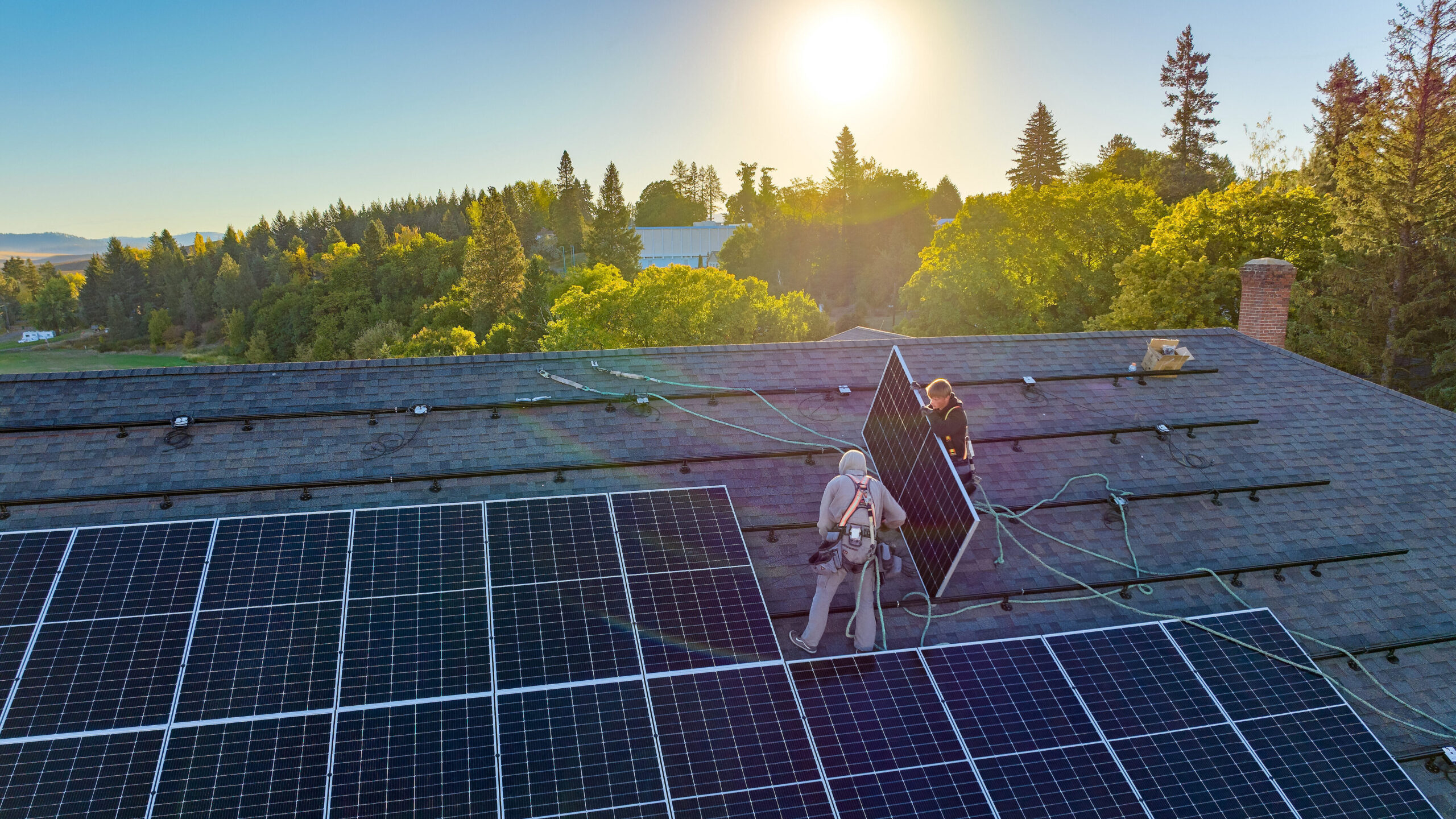
The recent initiative to convert rural schools in Washington State to solar power is a shining example of how practical solutions can address both economic and environmental challenges. This program, aptly titled "Solar Schools," not only reduces energy costs for schools but also empowers local communities. As we see in other contexts, like the recent court ruling in Texas or the ongoing legal battles faced by Kentucky State University students, the intersection of community action and institutional support can lead to significant changes. Programs like Solar Schools remind us that when we harness collective resources for the greater good, we can foster resilience and sustainability in our communities.
One of the standout features of the Solar Schools initiative is its dual focus on cost savings and community enrichment. By transitioning to solar energy, these schools can significantly reduce their utility bills, allowing funds to be reallocated to essential educational resources, extracurricular activities, and community programs. This is particularly crucial for rural areas that often face budget constraints and limited access to educational opportunities. As students and educators alike reap the benefits of reduced costs, the program also strengthens community ties by involving local stakeholders in the transition process. This collaborative approach is reminiscent of the efforts by UW researchers to engage communities in conservation efforts, highlighting how shared goals can lead to impactful change.
Moreover, the Solar Schools program serves as a model for sustainability that other regions could adopt. It showcases the potential for renewable energy to not only provide financial relief but also to foster a culture of environmental stewardship among students. Educating young people about solar energy and its benefits encourages them to think critically about resource management and sustainability. This is especially important as we face an increasingly uncertain future regarding climate change. By integrating these principles into the school curriculum, we are not just preparing students for academic success; we are also equipping them with the knowledge and skills necessary to tackle global challenges.
Looking ahead, it will be interesting to see how the success of the Solar Schools initiative influences other educational institutions and community programs across the country. Will this spark a larger movement toward renewable energy in schools nationwide? As more schools recognize the benefits of solar energy, we may witness a shift in how educational institutions approach sustainability. This initiative serves as a reminder that while the path to renewable energy may have its bumps, the journey is well worth the investment. As we support these changes, we must also ask ourselves how we can contribute to this movement, whether through advocacy, education, or simply spreading the word about the importance of community-driven solutions. The future of our schools—and our planet—depends on it.
Solar schools shine on Washington students
A unique program converts rural schools to solar power, cutting costs and strengthening communities.
A solar program administered by Washington State University Extension’s energy office is powering rural schools and their communities at the same time.
Schools usually pay nothing for the solar installation, which is funded by state tax credits. In return, they agree to use money saved on their power bills to benefit low-income students and their families for 10 years.
Partners in the project say it’s a win for all involved: the small, rural schools that likely couldn’t afford to convert to solar; the community members who’ll benefit; and the state, which has an interest in clean energy and in making it available equitably.
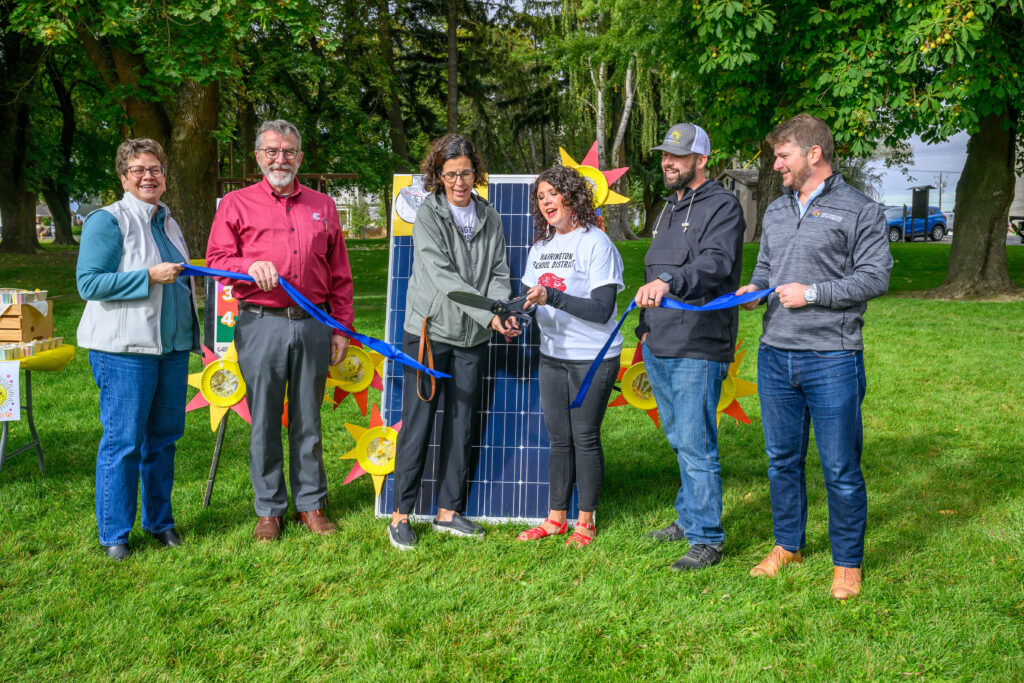
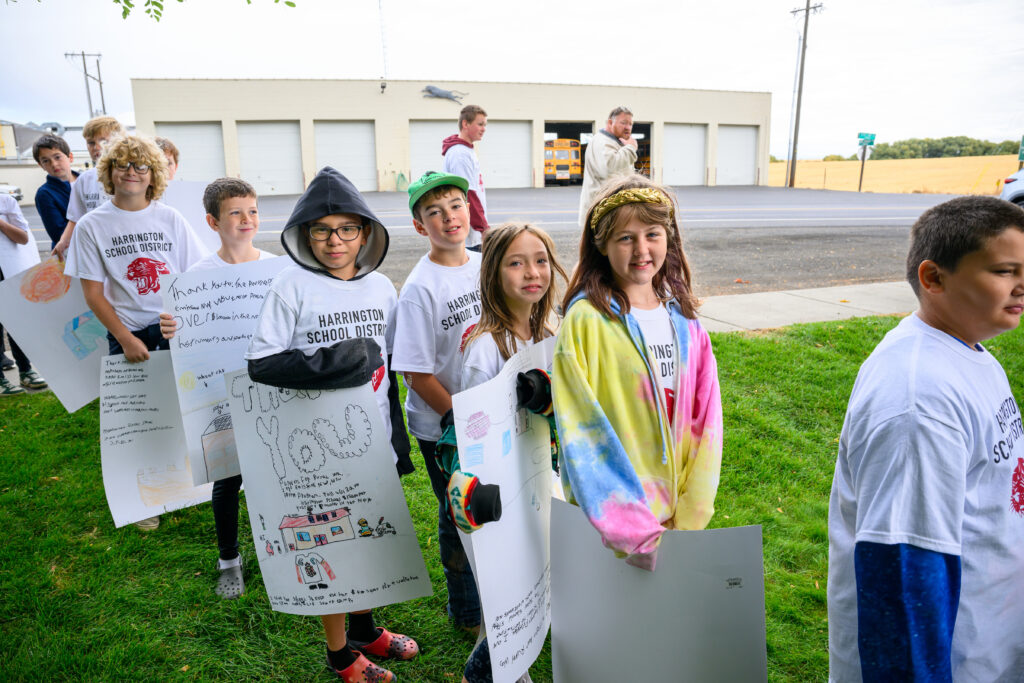
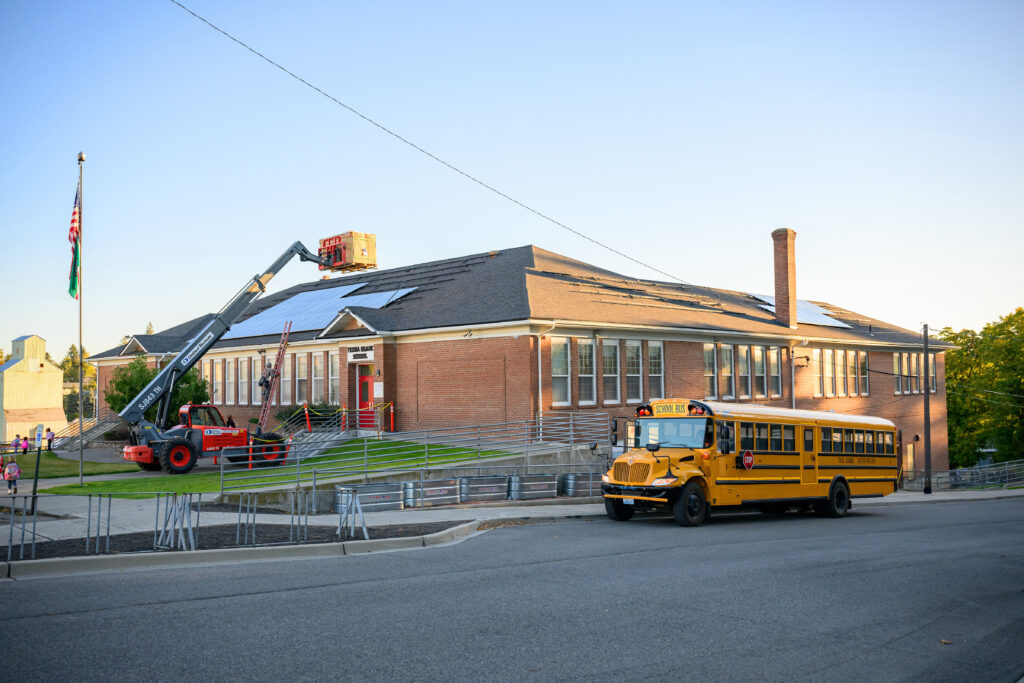
How the schools spend their extra revenue is largely up to them, as long as it directly benefits low-income community members, said Jody Opheim, executive director of Partners for Rural Washington, a nonprofit leading the project.
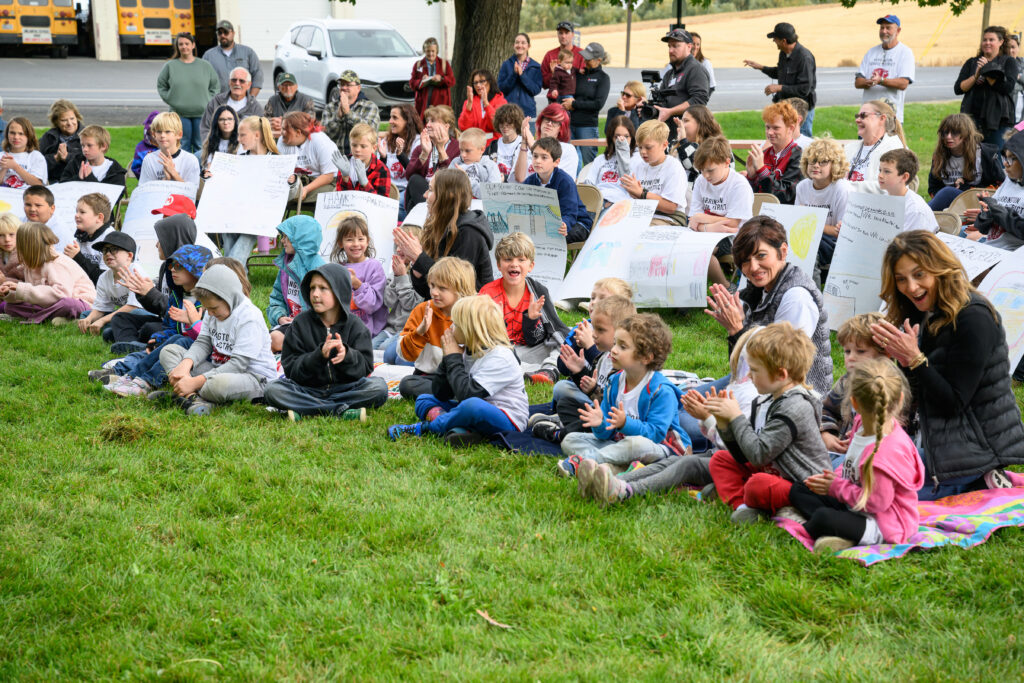
The Harrington School District in eastern Washington was the first installation completed. Some options being considered to benefit its 105 students are weekend food programs, technology upgrades, and field trips and experiences, said Courtney Strozyk, superintendent and principal.
About 20 schools are signed up for the project called The Giving Grid, with more expressing interest. These schools are expected to achieve nearly $20 million in energy bill savings over the expected 30-year life of the systems, said David Funk, president of Zero Emissions Northwest, the company that’s leading the project with Partners for Rural Washington.
Just as importantly, it’s making renewable energy more widely available.
“It’s part of the magic,” said Georgine Yorgey, director of the WSU Energy Program. “Schools can benefit that would never be able to install infrastructure like this on their own. And many rural schools have high populations of low-income students who really could benefit.”
A land-grant university has resources that are not otherwise available to communities. We can bring these resources to bear to help local communities improve their quality of life.
Michael Gaffney
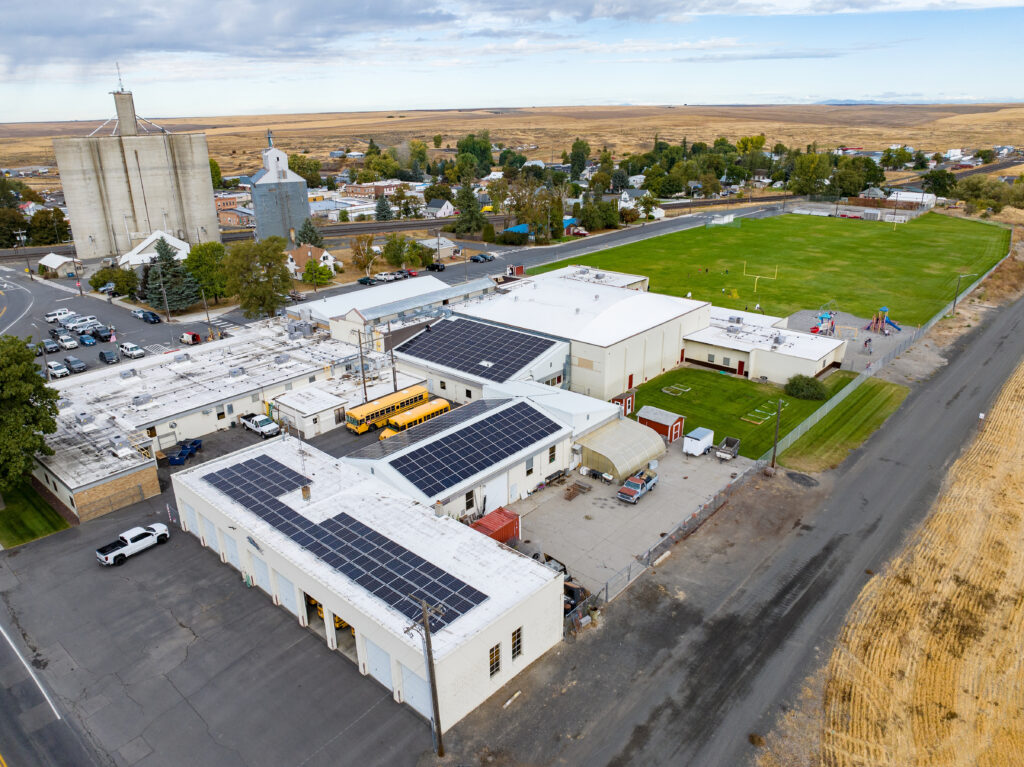
Under the program, solar systems are installed on or near participating schools. Utilities receive a state tax credit and reimburse the partners for the school solar installations. The WSU Energy Program handles the administration, tapped by the Washington legislature because of its decades of experience in energy initiatives. The program is part of WSU Extension and supports partners throughout the state in developing resilient and reliable energy sources.
“A land-grant university has resources that are not otherwise available to communities,” said Michael Gaffney, associate director of WSU Extension. “We can bring these resources to bear to help local communities improve their quality of life.”
Once installed, the solar systems could lead to other upgrades, like battery storage, so that the schools can be used as emergency shelters during extended power outages.
Said Funk, these rural schools are “a beating heart of the community. They’re a huge nexus of community, children, education, and they do so much more than teach.”
Explore WSU News to learn more about how WSU’s impact goes beyond the numbers.
WSU Delivers
Trending






Read on the original site
Open the publisher's page for the full experience