Seattle filmmaker’s documentary finds hope in small-town movie theaters
Our take
Rustin Thompson’s “The Last Picture Shows” arrives at a particularly poignant moment. It’s a film about preservation, about recognizing the value in places and experiences fading from our collective consciousness. Considering recent news, the film’s core message feels especially resonant. Just this week, we reported on [Some agentic AI browsers come with major cybersecurity risks, UW study finds], highlighting the vulnerabilities emerging as technology rapidly reshapes our daily lives. Simultaneously, the Rubin Observatory has begun its landmark 10-year timelapse of the night sky [Rubin Observatory begins landmark 10-year timelapse of the night sky], a project dedicated to documenting and understanding a universe constantly in flux. Thompson’s film, then, is not simply about old movie theaters; it’s about a mindful acknowledgement of change and a deliberate effort to capture what might otherwise be lost. It’s about valuing the tangible, the communal, the human element in an increasingly digital and often isolating world. The recent tragedy involving the loss of a state trooper [Drivers who hit, killed state trooper in Tacoma won’t face criminal charges] serves as a stark reminder of the fragility of life and the importance of cherishing the moments and places that bring us together.
The documentary’s focus on small-town theaters isn’t accidental. These spaces represent a unique social fabric, a place where communities gather, share stories, and experience a collective joy often absent in our hyper-individualized lives. These theaters aren't just venues for entertainment; they’re anchors within their communities, often serving as gathering places for local events and a source of pride. Thompson’s journey across the American West to document them speaks to a wider cultural anxiety about the erosion of these communal spaces. The rise of streaming services has undoubtedly impacted movie theater attendance, but the film’s value lies in reminding us of what we stand to lose beyond just the convenience of watching a film at home. It’s about the shared experience, the darkened room filled with strangers united by a common narrative, the anticipation of the opening credits, and the collective exhale at the final scene. These are sensory experiences that simply cannot be replicated on a laptop screen.
Thompson’s film offers a much-needed counterpoint to the relentless push for “newness” and the constant pursuit of technological advancement. It’s a gentle nudge to slow down, to appreciate the existing, and to recognize the inherent worth in the stories and spaces that have shaped our communities. The film’s screening schedule in Western Washington throughout July and August is a testament to the ongoing interest in preserving these cultural landmarks. It's a chance to engage with a slice of Americana that’s increasingly rare, and to remember that progress shouldn't necessarily mean erasure. The film's visual language, likely emphasizing the texture of the theater interiors and the faces of the people who still frequent them, will further amplify this feeling of timelessness and connection.
Ultimately, “The Last Picture Shows” raises a fundamental question: how do we balance the excitement of innovation with the responsibility of preserving our cultural heritage? What role will physical spaces play in a future increasingly mediated by technology? As we continue to navigate the complexities of AI and its impact on society, and as we witness the vastness of the universe through new observatories, it’s crucial that we don’t lose sight of the small, tangible things that ground us—the places, the people, and the shared experiences that make up a community. Perhaps the film’s greatest contribution is its quiet insistence that some things are worth saving, even—and especially—if they aren't the newest or the most technologically advanced.
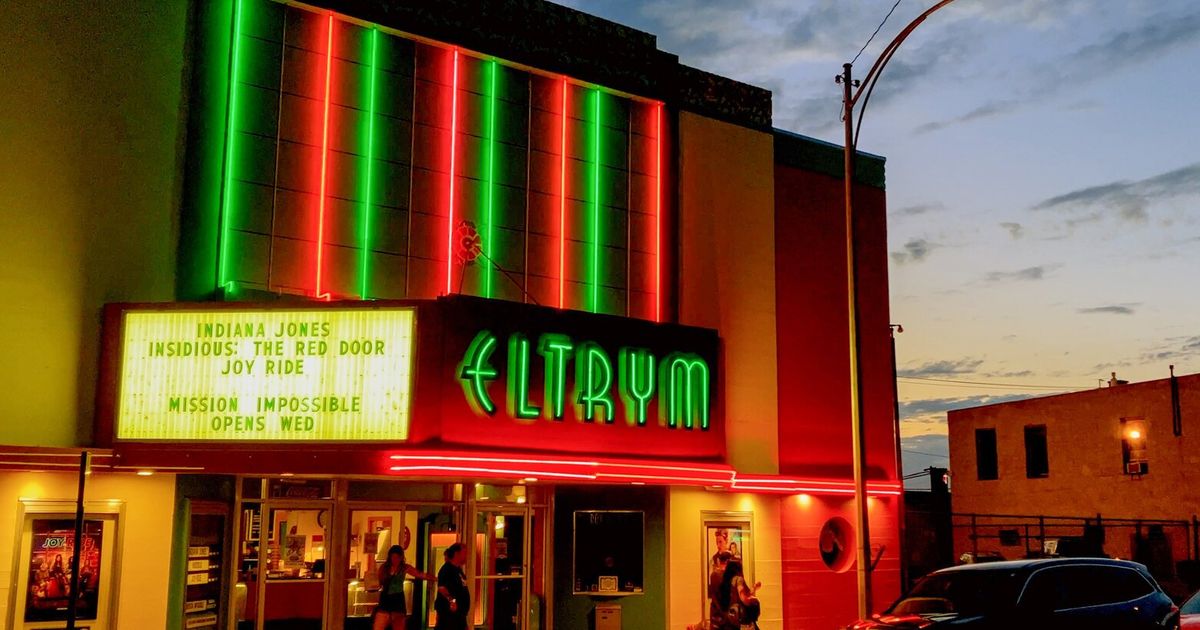
Rustin Thompson's "The Last Picture Shows," in which he searches the American West for small-town movie theaters, will screen in Western Washington throughout July and August.
Read on the original site
Open the publisher's page for the full experience