Scenes From the Canadian Arctic
Our take
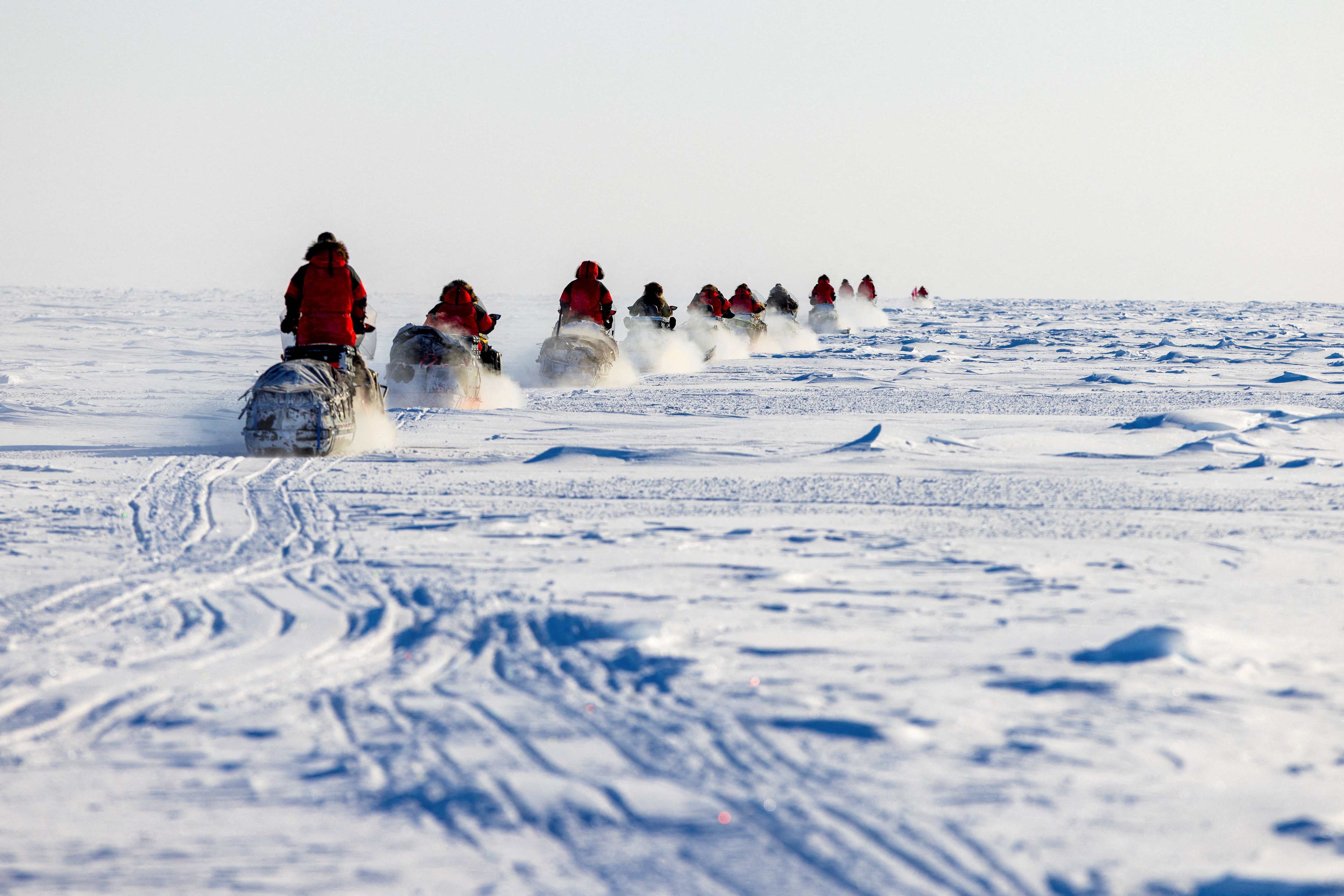
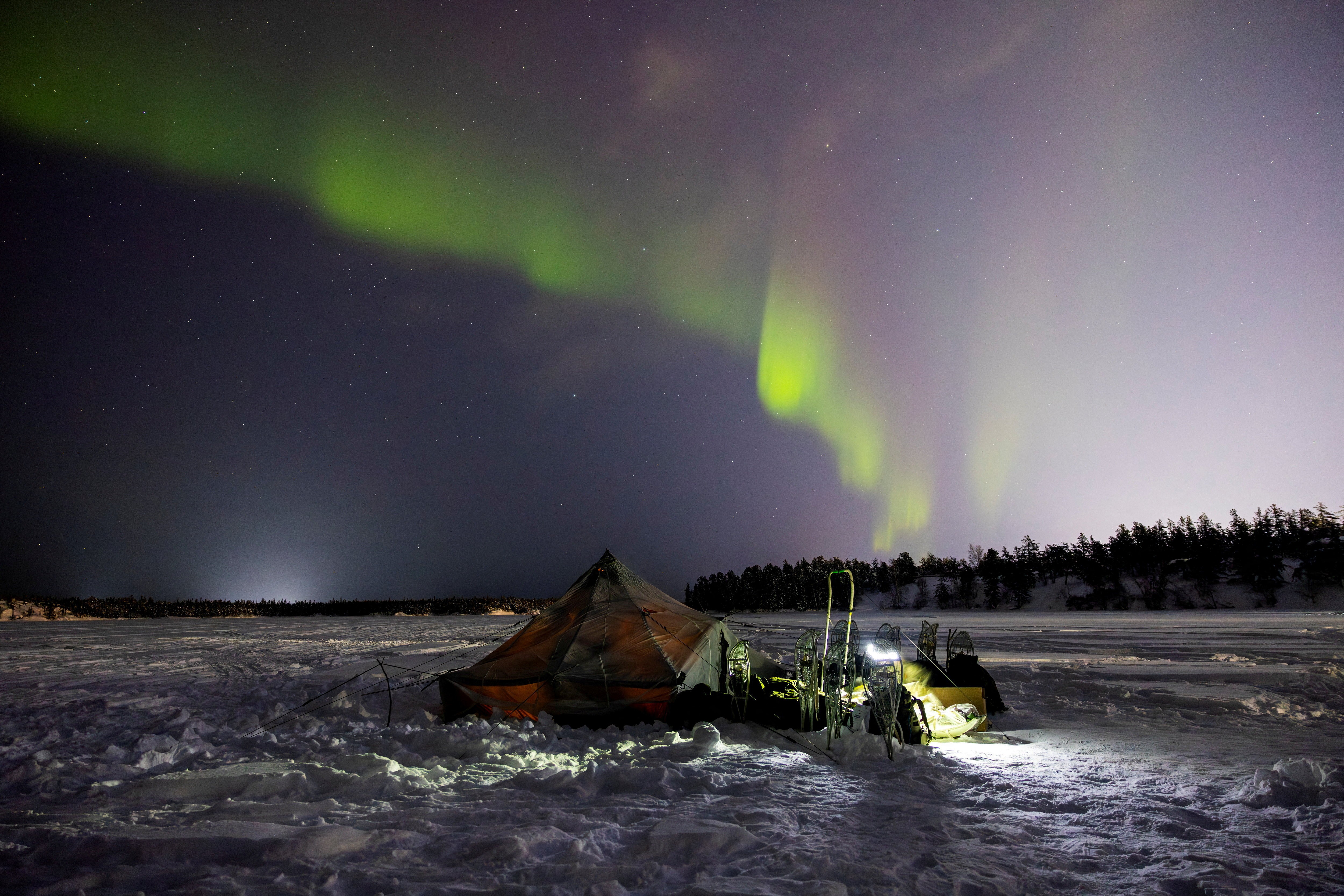
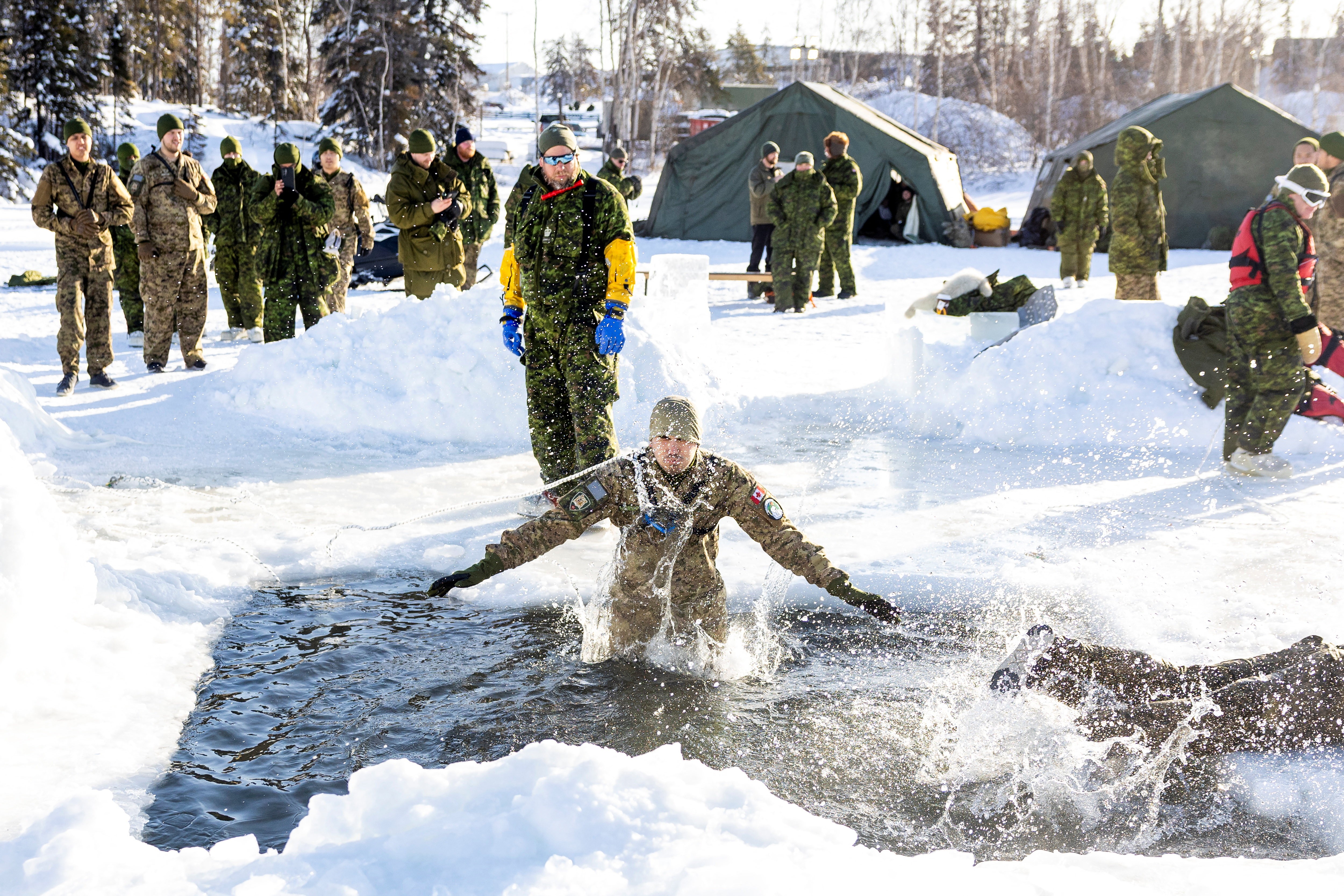
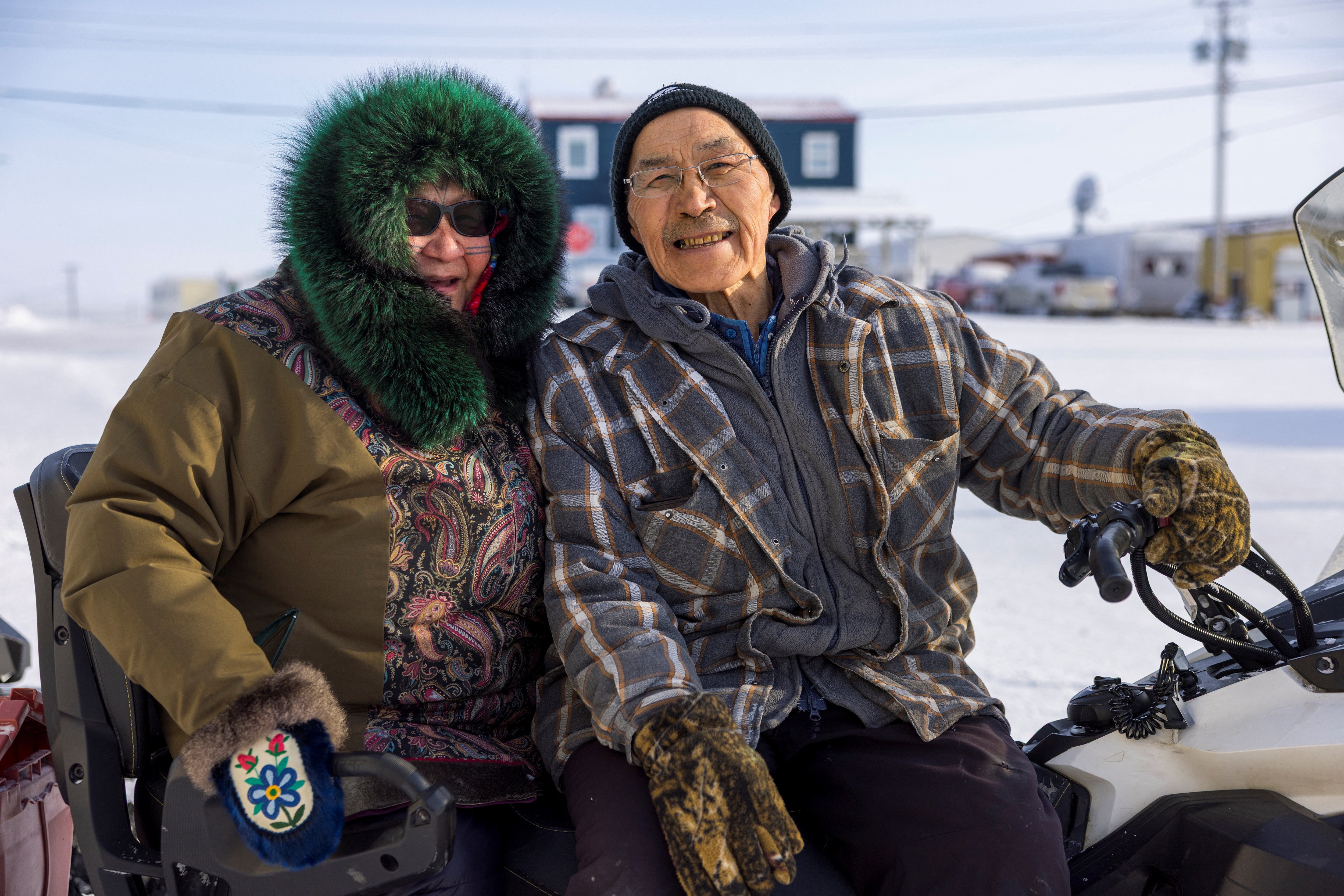
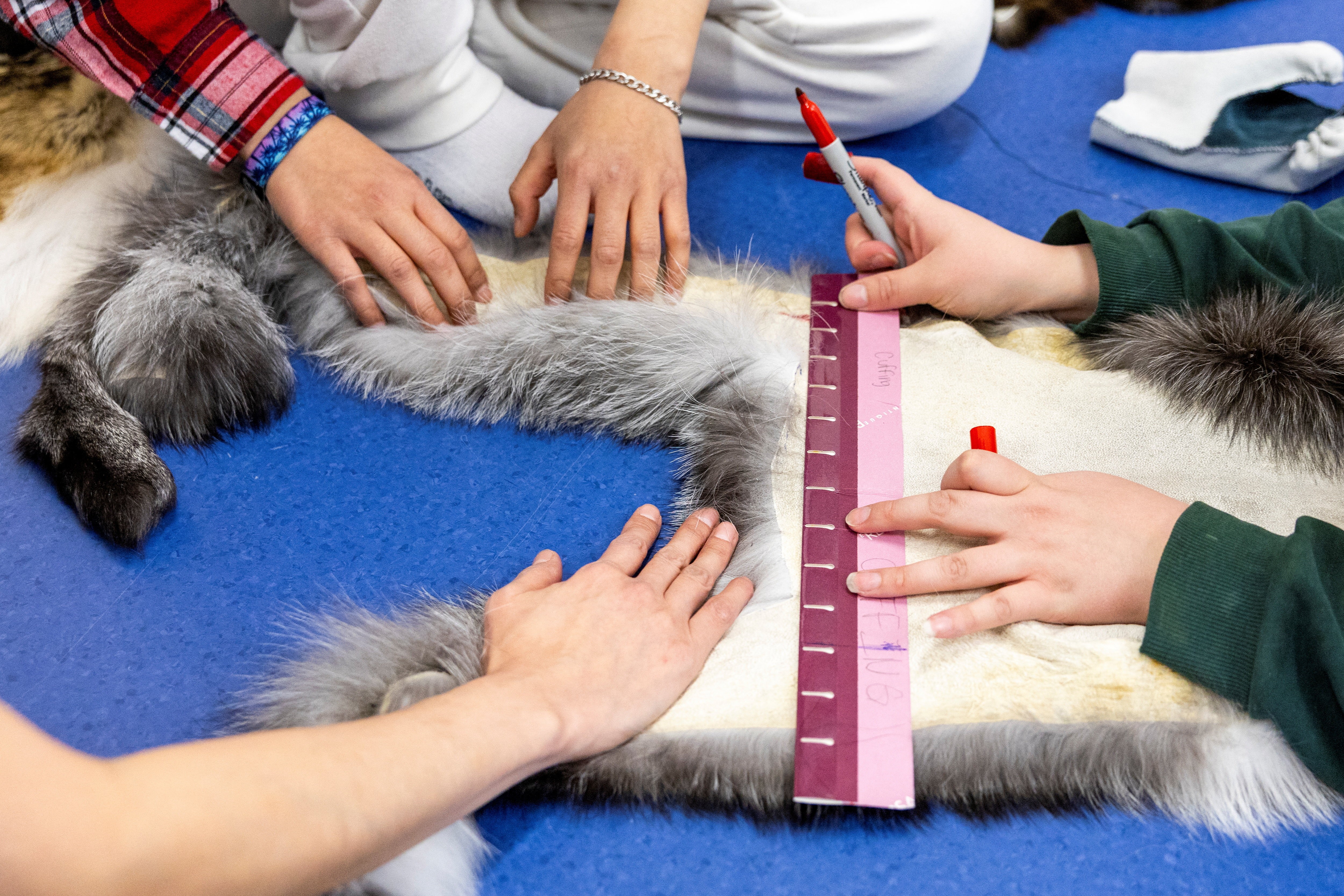
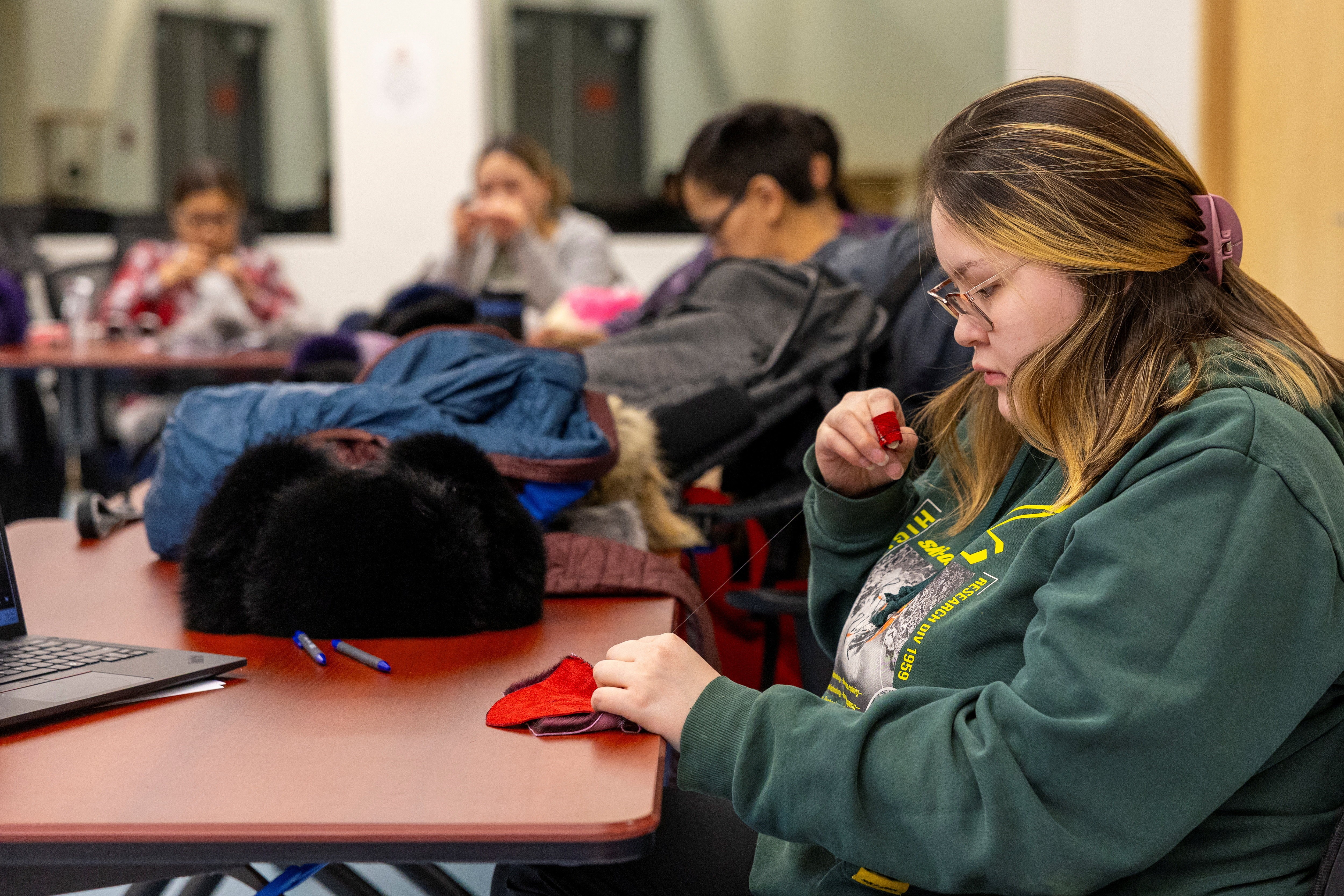
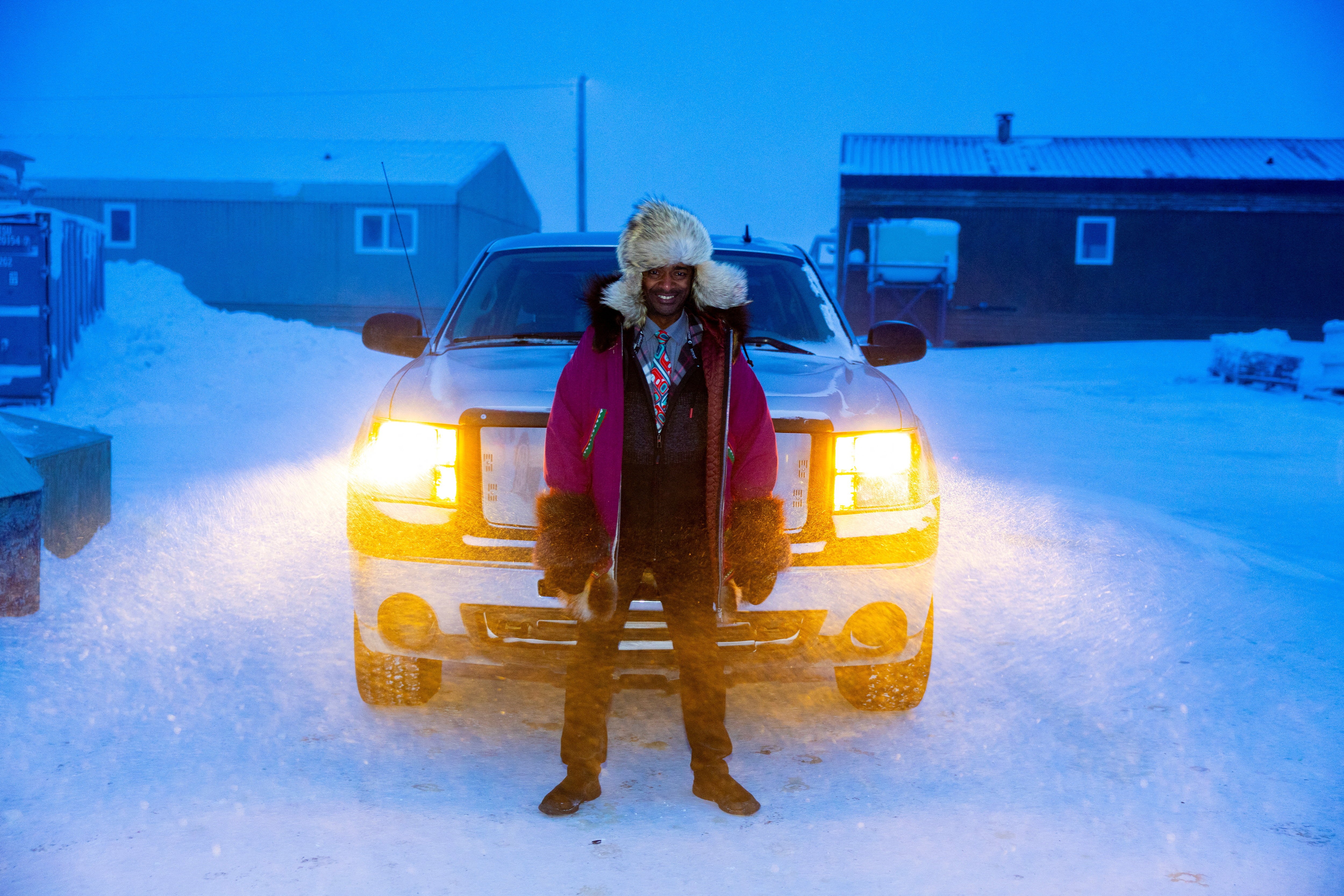
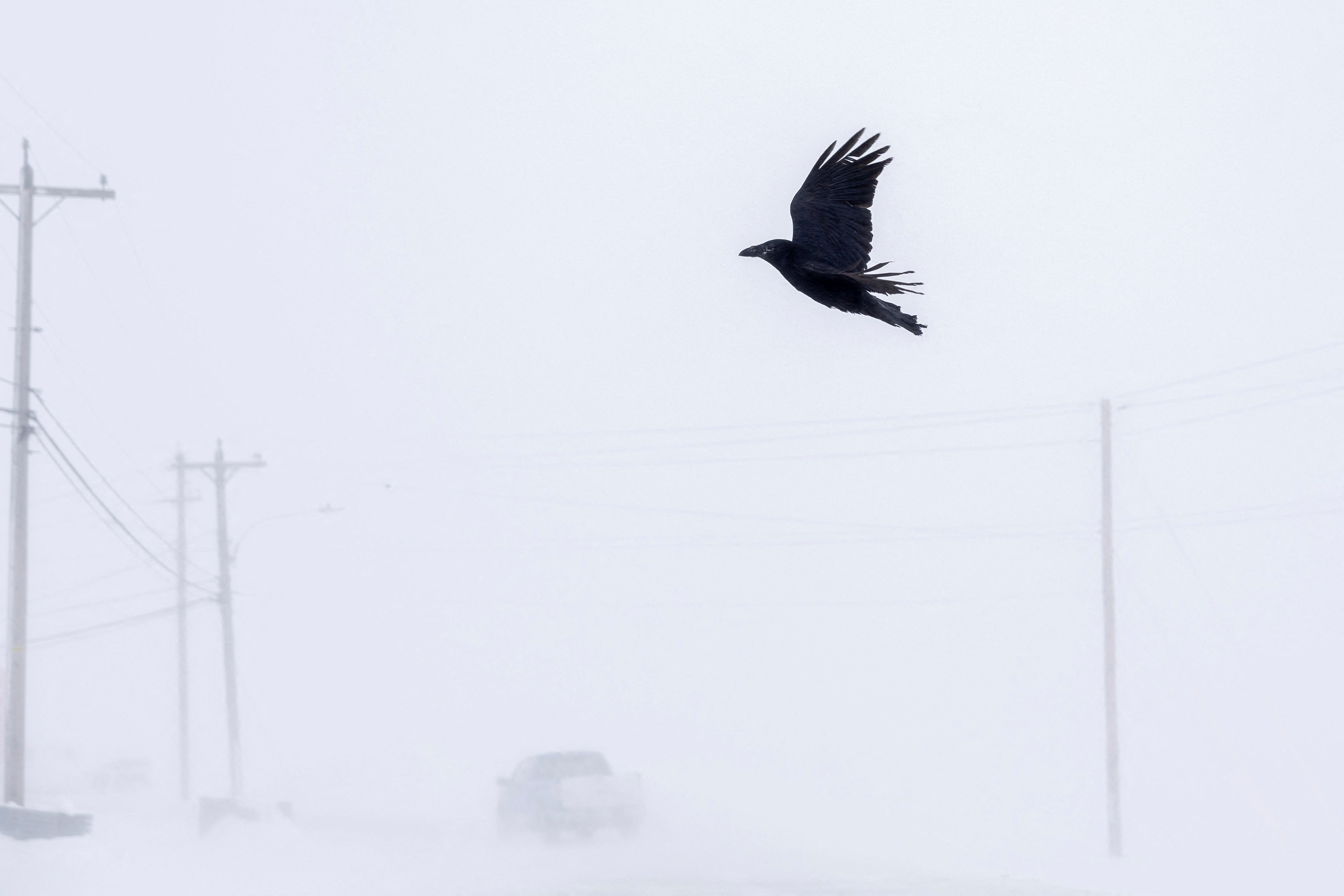
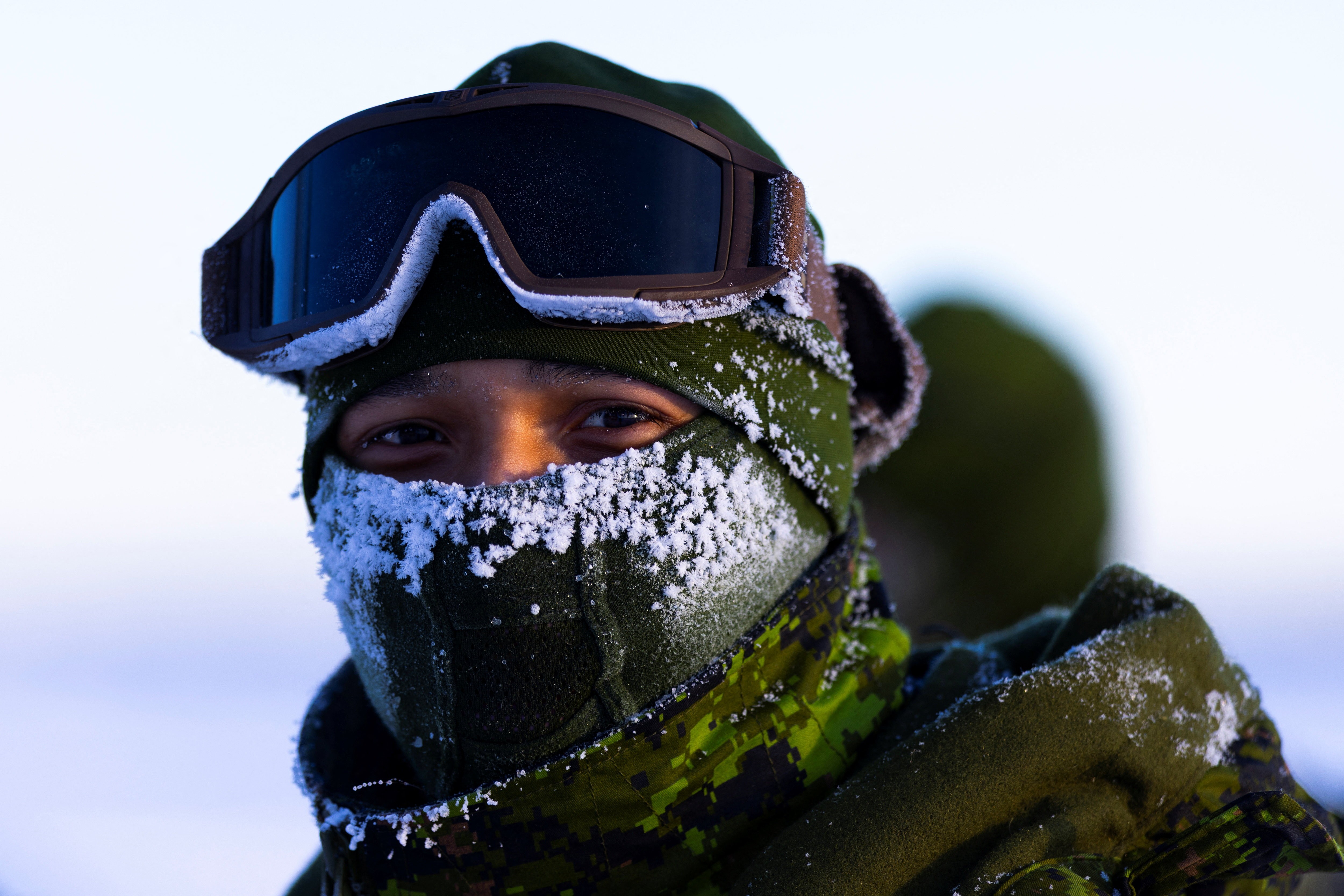
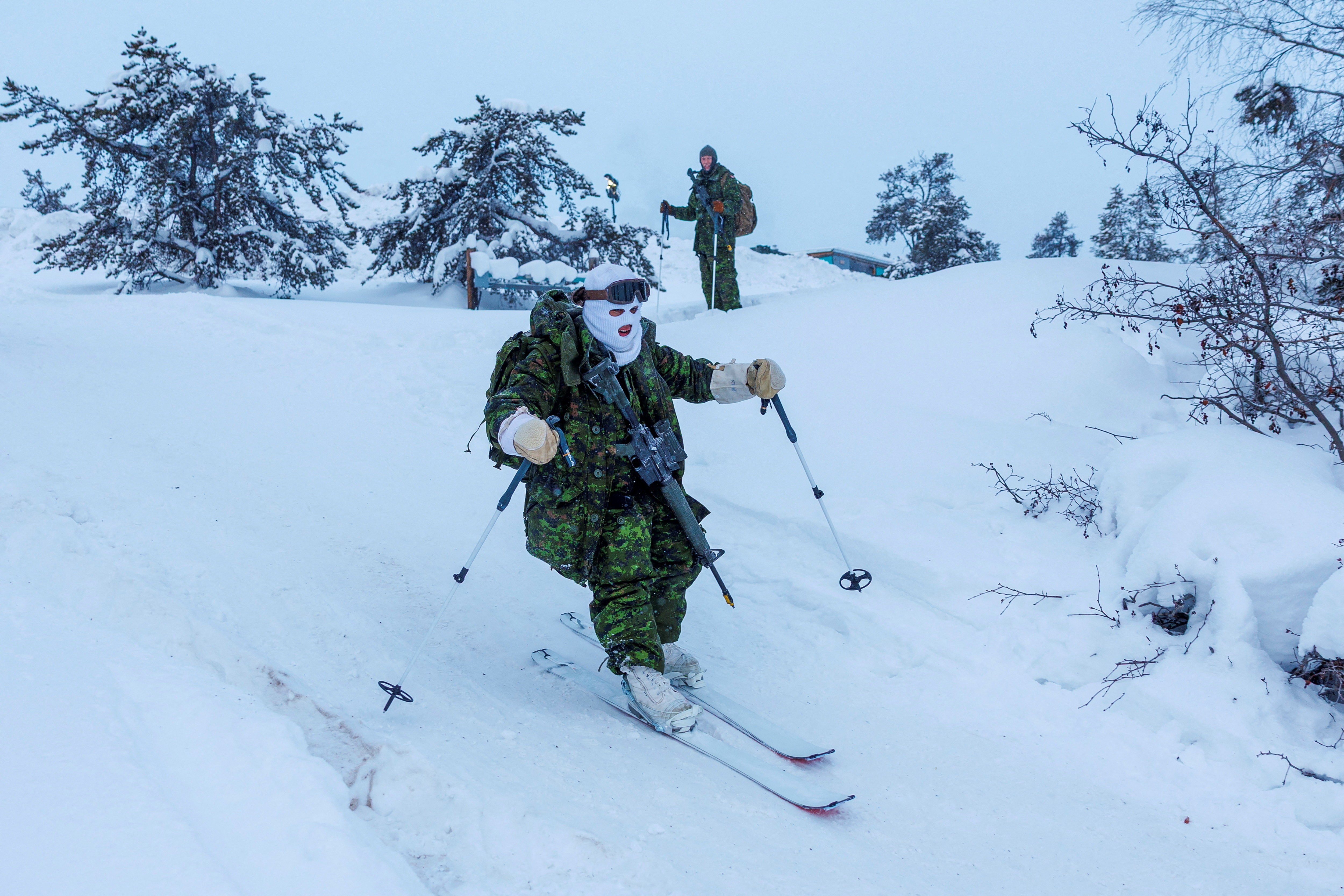
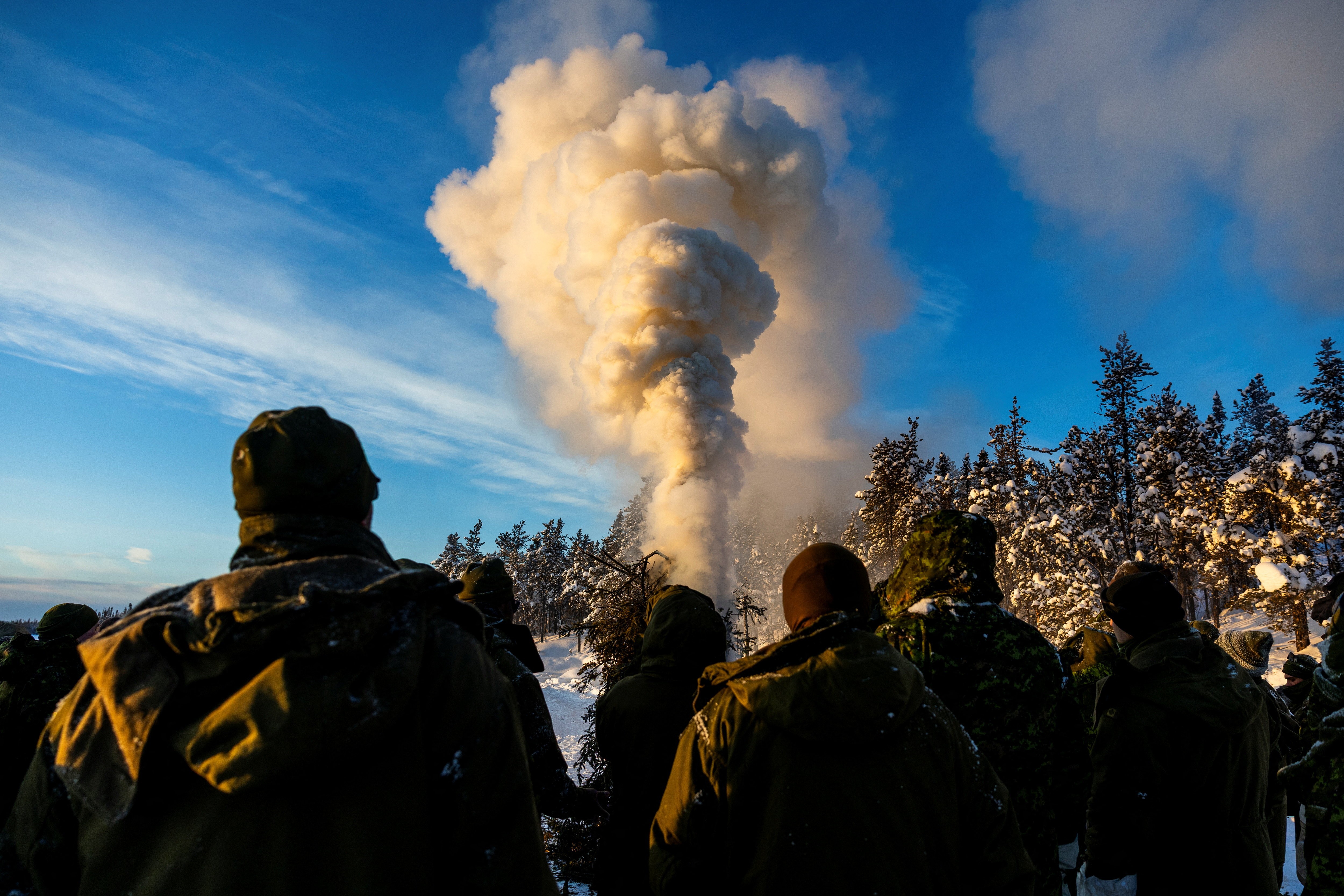
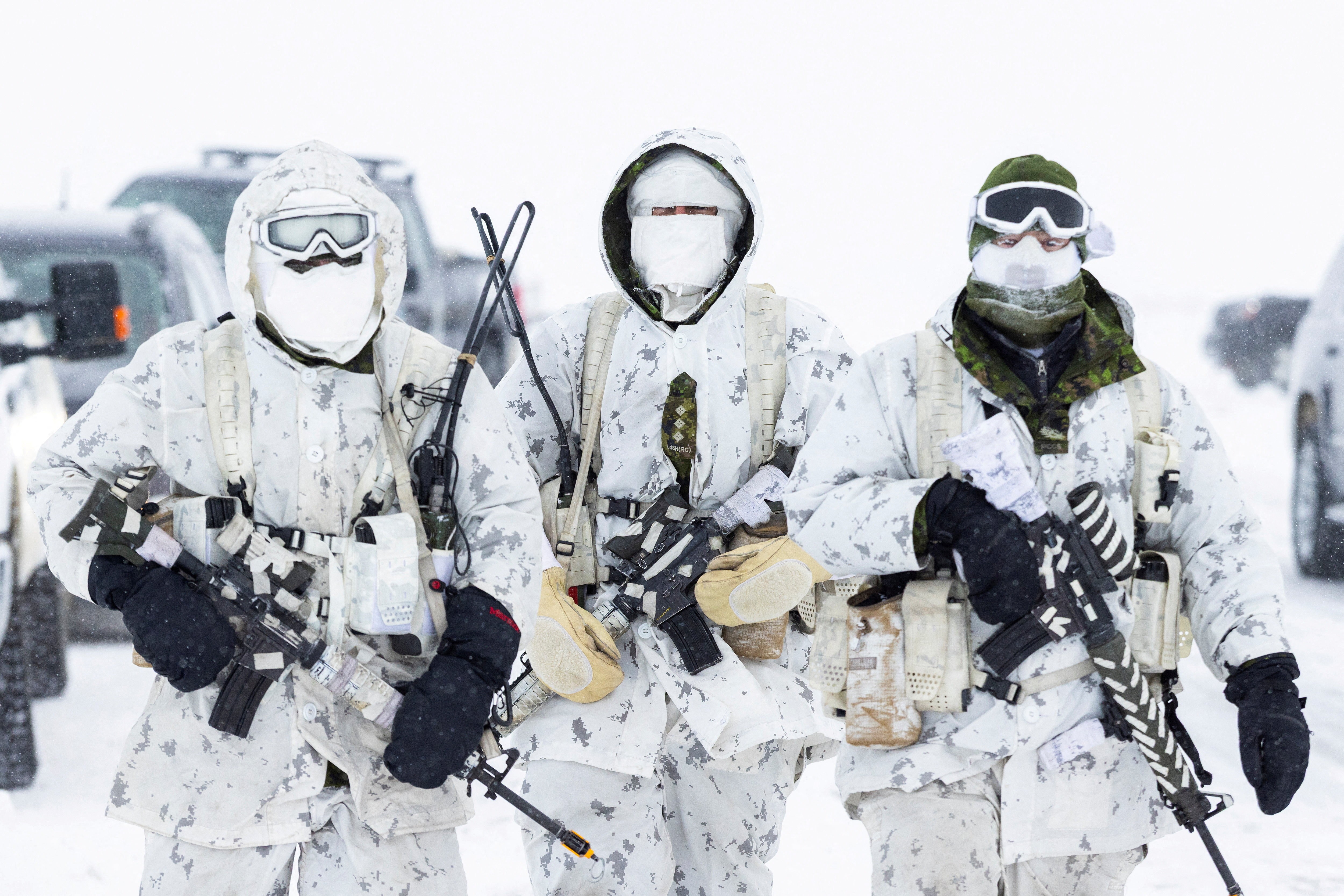
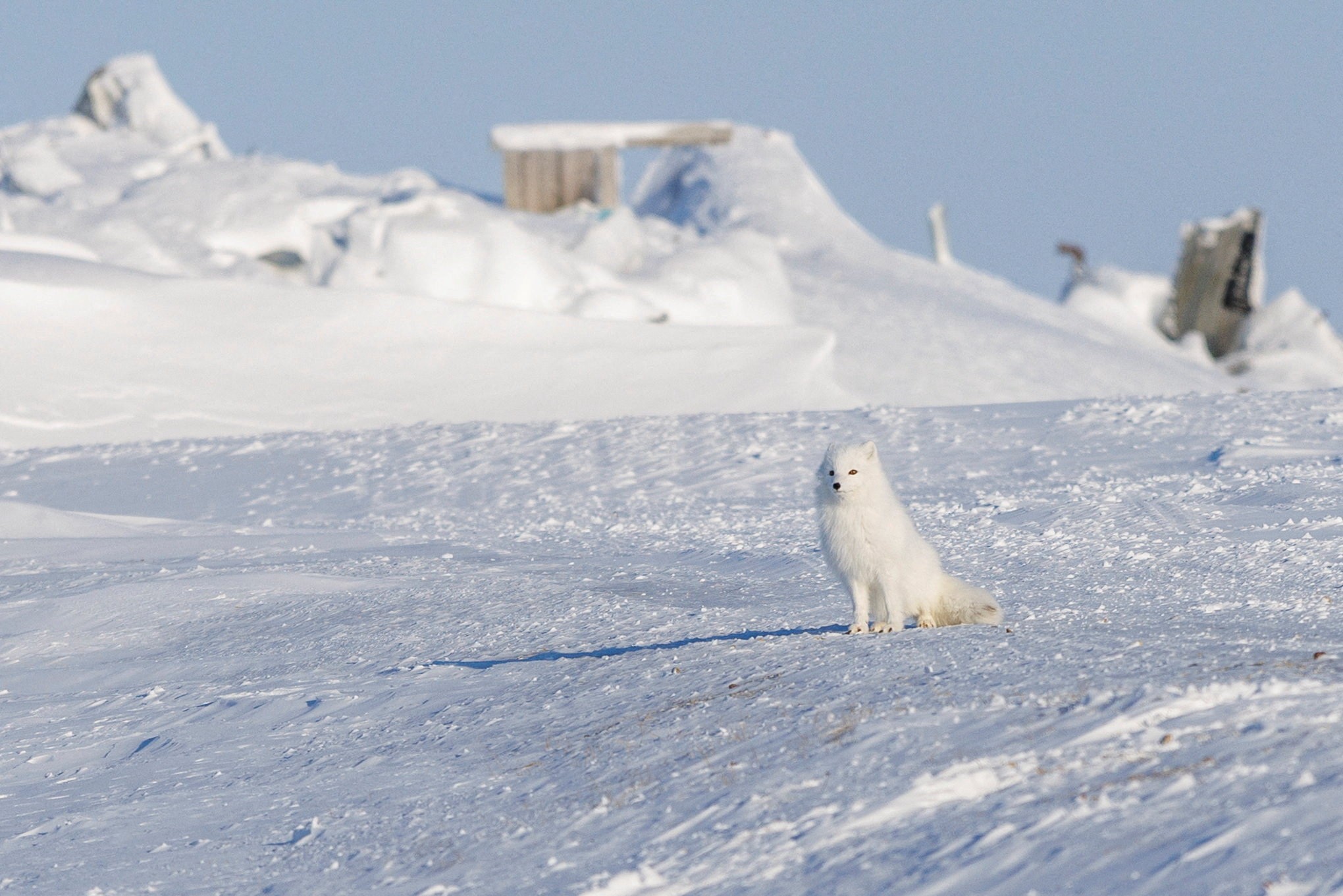
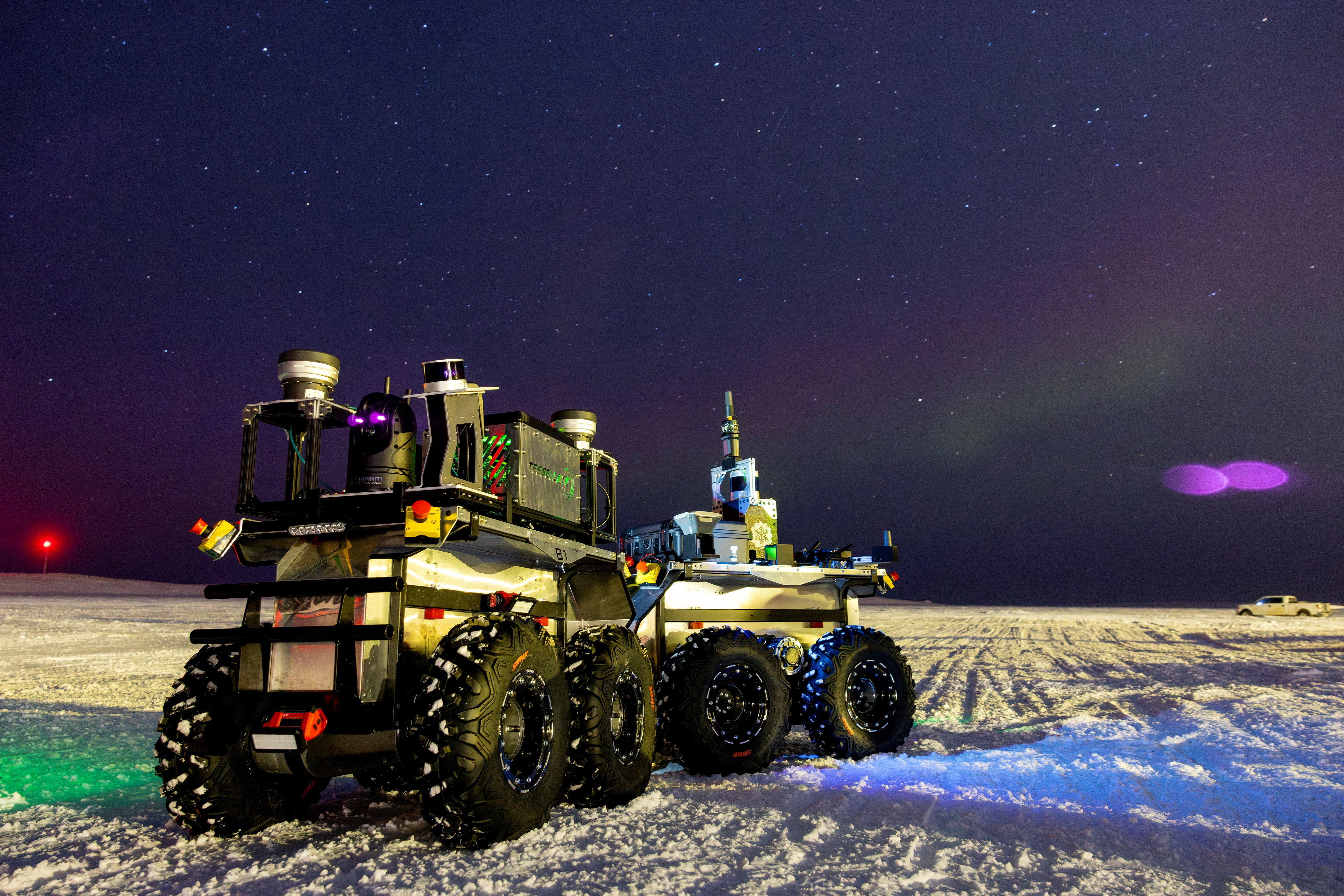
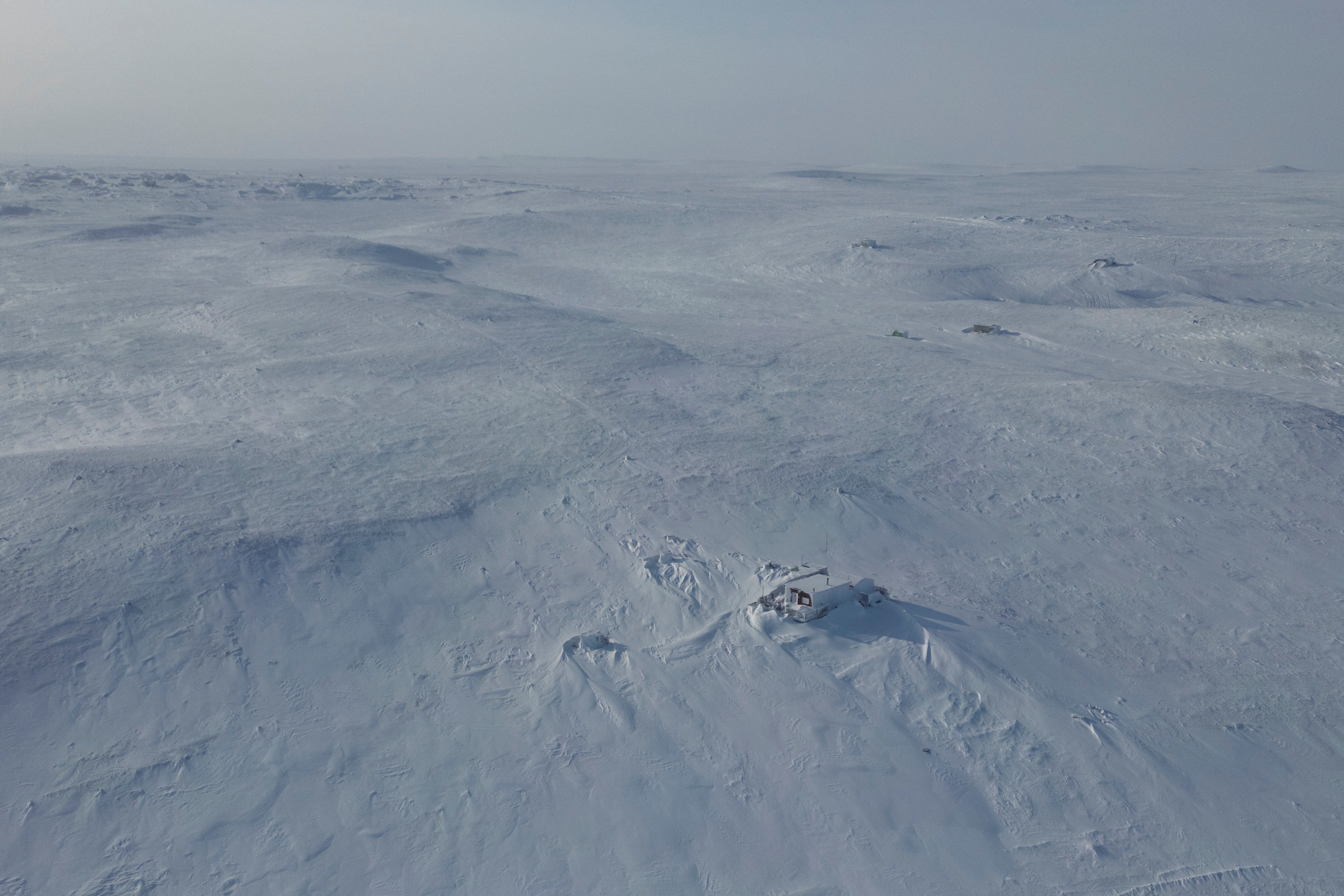
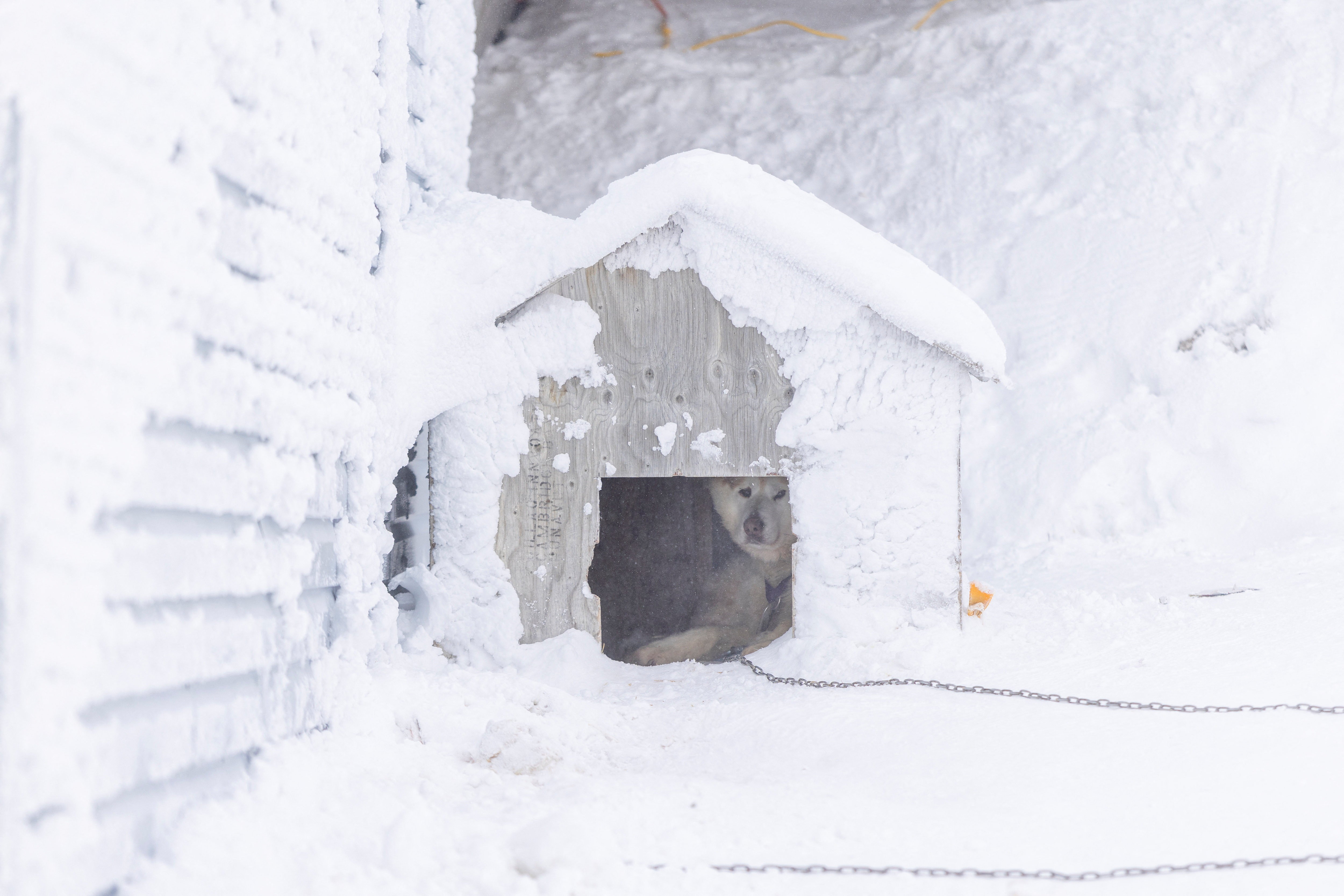
The stark and breathtaking images captured by Carlos Osorio from the Canadian Arctic highlight a region that is both remote and rich in culture, resilience, and a sense of community. Through scenes of Canadian rangers patrolling sea ice, military drills under the Northern Lights, and local craftspeople sewing mittens, we are reminded of the unique intersection of tradition and innovation in this part of the world. This juxtaposition is particularly relevant as we consider how communities adapt to the challenges posed by climate change and the increasing geopolitical interest in the Arctic, a theme echoed in other discussions about community resilience, such as in How Peer Mentoring Supports Neurodivergent Students.
The images not only serve as a visual narrative of survival and adaptability but also evoke a sense of belonging and identity among the Indigenous populations and military personnel involved in these operations. The Canadian military’s Operation Nanook is not just a display of defense capabilities; it represents a commitment to safeguarding the Arctic’s delicate environment and the people who inhabit it. The portrayal of activities such as ice rescues and community sewing programs speaks volumes about the intertwined destinies of local residents and military forces. They are united by a shared purpose: to protect, preserve, and celebrate the Arctic, a region that is increasingly becoming a focal point of global attention.
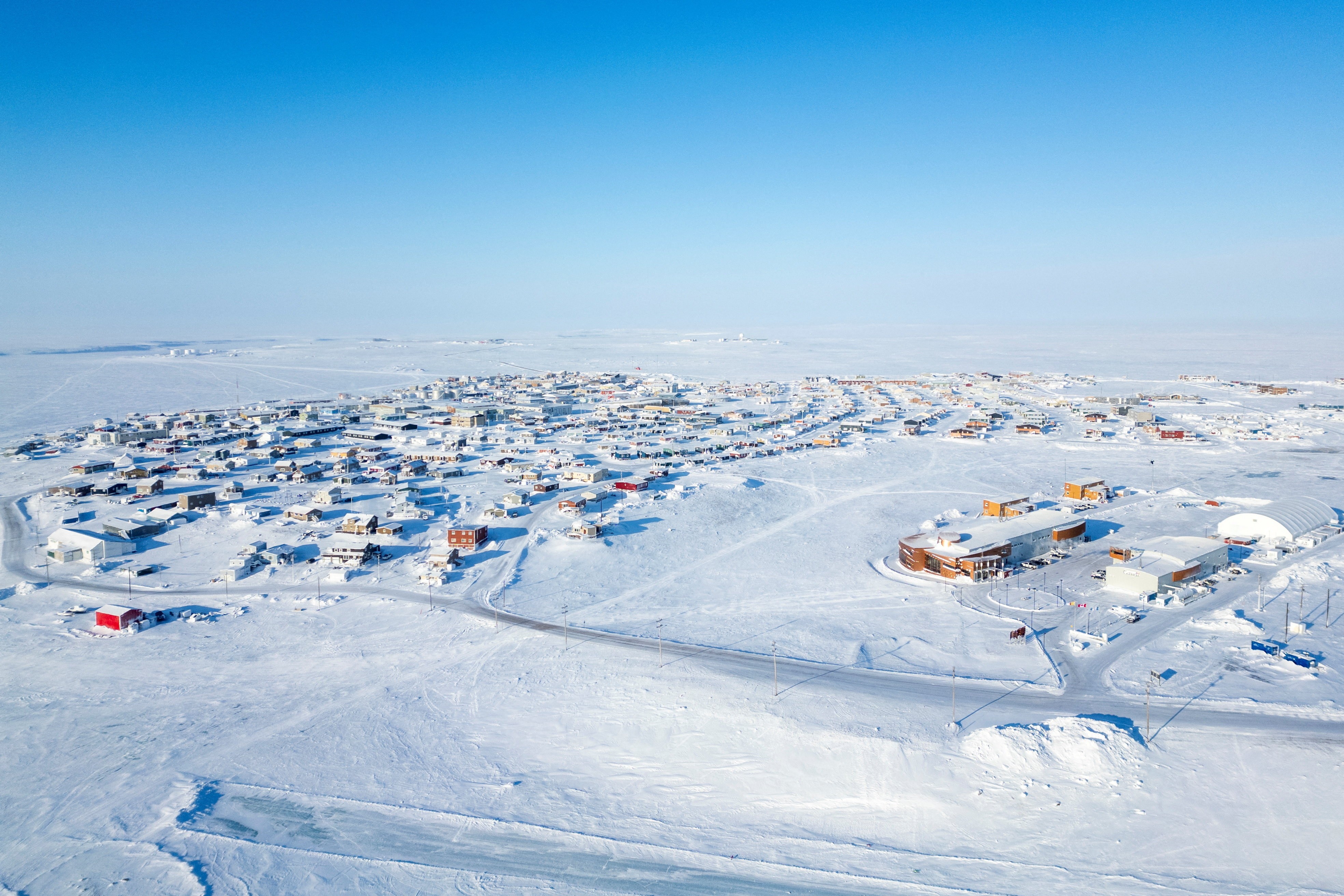
Moreover, the economic realities depicted, such as the high cost of everyday goods in Cambridge Bay, remind us of the challenges faced by communities in remote areas, especially as they navigate the impacts of climate change and market fluctuations. The price of basic necessities like tomatoes at CAD $12.99 per kilogram is a stark reminder of the logistical hurdles these communities overcome daily. This economic strain is often overlooked in broader discussions about the Arctic, which tend to focus on strategic interests or environmental concerns without acknowledging the lived experiences of those who call it home. As we reflect on these circumstances, we should also consider the insights offered in articles like Nevada town of Primm was a cheap, beloved Vegas alternative. Then new California casinos killed it, which remind us of how local economies can be dramatically impacted by larger socio-economic shifts.
Looking forward, the question remains: How will the narratives and needs of Arctic communities evolve as climate change continues to challenge their way of life? The images from Osorio’s coverage are a call to action for both policymakers and the public. They invite us to engage with the stories of those living in these northern reaches and to advocate for sustainable practices that honor both the environment and the people. As we navigate our own challenges, whether they be related to academia, community engagement, or personal growth, we can draw inspiration from the resilience shown in these Arctic scenes. The future of the Arctic, like our own futures, depends on our ability to adapt, collaborate, and innovate in the face of adversity.

Read on the original site
Open the publisher's page for the full experience