Scenes from the 16-day Great American State Fair, in photos
Our take
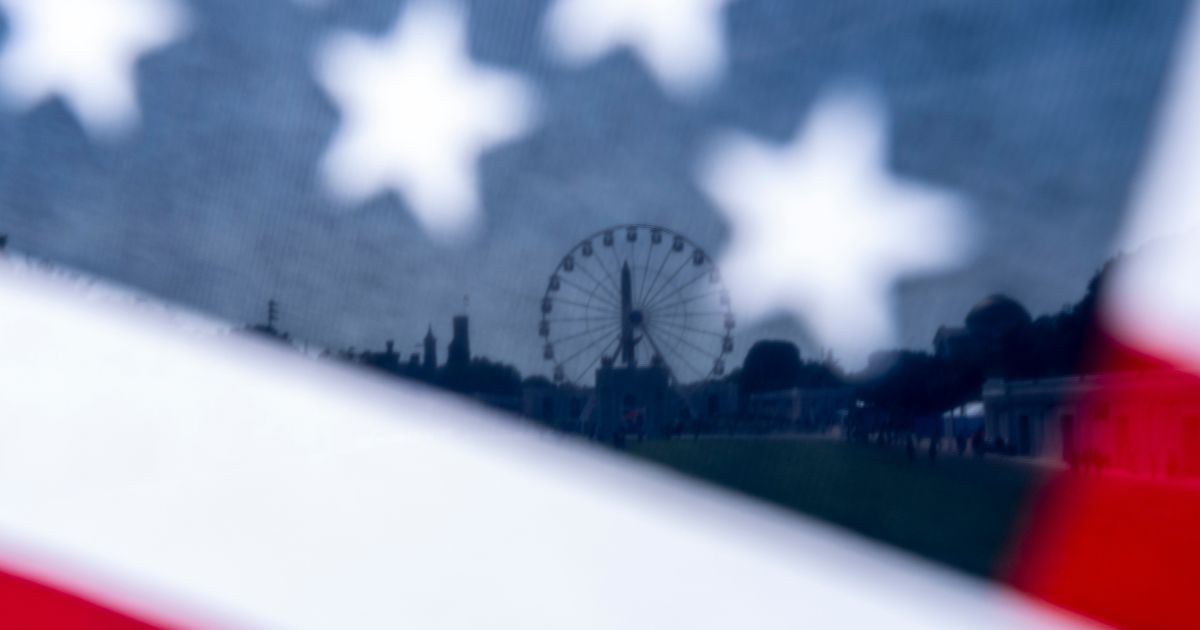
The recent Great American State Fair, documented in a compelling photo gallery, offers a surprisingly poignant reflection of the current moment in American identity. Held on the National Mall to commemorate the nation’s 250th anniversary, the fair’s showcasing of state traditions, from Ferris wheels to cowboy demonstrations, feels both celebratory and subtly melancholic. It’s a reminder of the deep, diverse roots that constitute the United States, occurring at a time when national unity often feels fractured. This event isn't merely a nostalgic look backward; it's a deliberate attempt to reaffirm a shared national narrative, a connection to something larger than individual state affiliations. The timing is particularly relevant considering recent discussions surrounding civic engagement, as explored in Academic Civics: What Does It Mean to Be a Citizen of Your University?, highlighting the importance of understanding one's role within a larger community, be it a university or a nation. The state fair, in its own way, attempts to foster that same sense of belonging and shared responsibility.
The sheer scale of the event—a 16-day gathering on the National Mall—speaks to a desire for tangible connection and shared experience, particularly in an era dominated by digital interactions. It’s a counterpoint to the often isolating nature of online life, a physical space where people from across the country can converge and celebrate their shared heritage. This desire for community is a recurring theme, also seen in the recent success of Washington Husky women's sports programs, as detailed in Washington Husky women win Big Ten Women’s Championship Series. Both events underscore the power of collective achievement and the inherent human need for belonging. However, the fair’s optimism must be viewed with a degree of realism. The current economic climate, with universities facing significant budget cuts, as reported in June Brings Deep Cuts at Several Universities, presents a stark contrast to the celebratory atmosphere of the fair, highlighting the ongoing challenges facing many Americans.
Looking beyond the visual spectacle, the fair’s emphasis on state-level traditions subtly acknowledges the ongoing tension between state and federal power within the American system. Each state pavilion, showcasing its unique culture and history, serves as a reminder of the inherent diversity within the nation. This isn’t a monolithic “American” identity being presented, but rather a mosaic of distinct regional cultures, all contributing to the larger whole. It’s a powerful visual representation of federalism in action, a system that has always been a defining characteristic of the United States. The cowboy demonstrations, the regional cuisine, the crafts and artwork—all these elements contribute to a rich tapestry of American experience, a reminder that the nation’s strength lies in its diversity. These traditions, carefully curated and presented, offer a narrative of resilience and adaptation, reflecting the ongoing evolution of American society.
Ultimately, the Great American State Fair provides a valuable snapshot of a nation grappling with its identity. While the celebration of tradition is undeniably heartwarming, the backdrop of economic uncertainty and political division cannot be ignored. The fair's success in drawing crowds suggests a deep-seated yearning for connection and a shared sense of purpose, but the question remains: can these fleeting moments of unity translate into lasting solutions for the challenges facing the country? Is this a genuine revival of civic pride, or a temporary reprieve from the anxieties of the present? The answer, perhaps, lies in whether we can harness the spirit of community fostered at events like this to build a more inclusive and equitable future.
WASHINGTON (AP) — A 110-foot Ferris wheel, state pavilions and cowboy demonstrations were among the attractions at the Great American State Fair on the National Mall. Held as part of the nation’s 250th anniversary celebration, the 16-day event showcased the history, culture and traditions of U.S. states and territories. ___ This is a photo gallery […]
Read on the original site
Open the publisher's page for the full experience