Private mission launches to extend life of out-of-gas communication satellites
Our take
## Our Take: Extending Orbital Lifespans – A Pragmatic Step for Space Sustainability
The recent launch of a mission utilizing a two-armed space robot to refuel and extend the operational life of defunct communication satellites is far more than just a cool piece of engineering. It signals a crucial shift in how we approach space sustainability – moving beyond reactive debris removal to proactive life extension. For years, the escalating problem of space junk—dead satellites, rocket stages, and fragments from collisions—has loomed large, threatening operational satellites and, increasingly, future space exploration. Current estimates suggest tens of thousands of objects large enough to cause serious damage are orbiting Earth, and millions of smaller pieces pose a risk. This isn't a distant threat; a collision with even a small piece of debris can disable a satellite, with cascading effects on global communication, navigation, and scientific research. Initiatives like the ongoing efforts to track and catalog space debris are essential, but they’re ultimately a defensive strategy. This mission, spearheaded by companies like Space Logistics, represents a proactive solution – a way to keep valuable assets operational rather than just cleaning up after they fail. Understanding the scale of the problem, explore Space Debris: What it is and why it matters for a comprehensive overview from the European Space Agency.
The significance of this development extends beyond simply preventing collisions. Many communication satellites represent multi-billion dollar investments, providing essential services to billions of people worldwide. Losing these assets prematurely due to fuel depletion isn't just economically wasteful; it disrupts vital infrastructure. Refueling allows operators to extend the lifespan of these satellites, delaying the need for costly replacements and mitigating the environmental impact of manufacturing and launching new ones. Furthermore, this technology has implications that go beyond just communication satellites. The principles of robotic in-space servicing can be applied to a wide range of spacecraft – scientific probes, Earth observation platforms, even potentially extending the life of the International Space Station. This shift towards in-space servicing and resource utilization represents a fundamental change in our relationship with space – moving from a “use and discard” mentality to a more circular and sustainable model. Related to this, the growing interest in in-space resource utilization is detailed in NASA’s Artemis Program. It's worth noting that while this mission focuses on refueling, future iterations could include repairs, upgrades, and even the manufacturing of new components in orbit.
However, the path forward isn’t without its challenges. The technology is complex, requiring precise navigation, robotic dexterity, and reliable refueling systems in the harsh environment of space. The regulatory landscape is still evolving; clear guidelines are needed to govern in-space servicing operations and ensure they don’t create new hazards. Furthermore, there’s a potential for this technology to be misused – for example, to extend the lifespan of satellites for purposes that are not aligned with global interests. Trust and transparency will be paramount as this industry matures. The economics also need to be carefully considered. Refueling is only economically viable if the cost of servicing is less than the cost of replacing a satellite – a calculation that depends on factors like satellite lifespan, fuel costs, and the availability of servicing infrastructure. As noted in SpaceNews’ coverage of the mission, the economics are still being worked out, but initial data looks promising.
Looking ahead, the success of this mission and subsequent endeavors will be a bellwether for the future of space sustainability. The question now is not *if* in-space servicing will become commonplace, but *how quickly* and *how broadly* it will be adopted. Will this become a standard practice for satellite operators, or will it remain a niche market? Will governments and international organizations develop robust regulatory frameworks to govern these activities? And perhaps most importantly, will this technology inspire a new generation of engineers and entrepreneurs to pursue innovative solutions for ensuring the long-term health and accessibility of space for all? The next few years will be critical in shaping the future of our orbital environment and determining whether we can truly establish a sustainable presence beyond Earth.
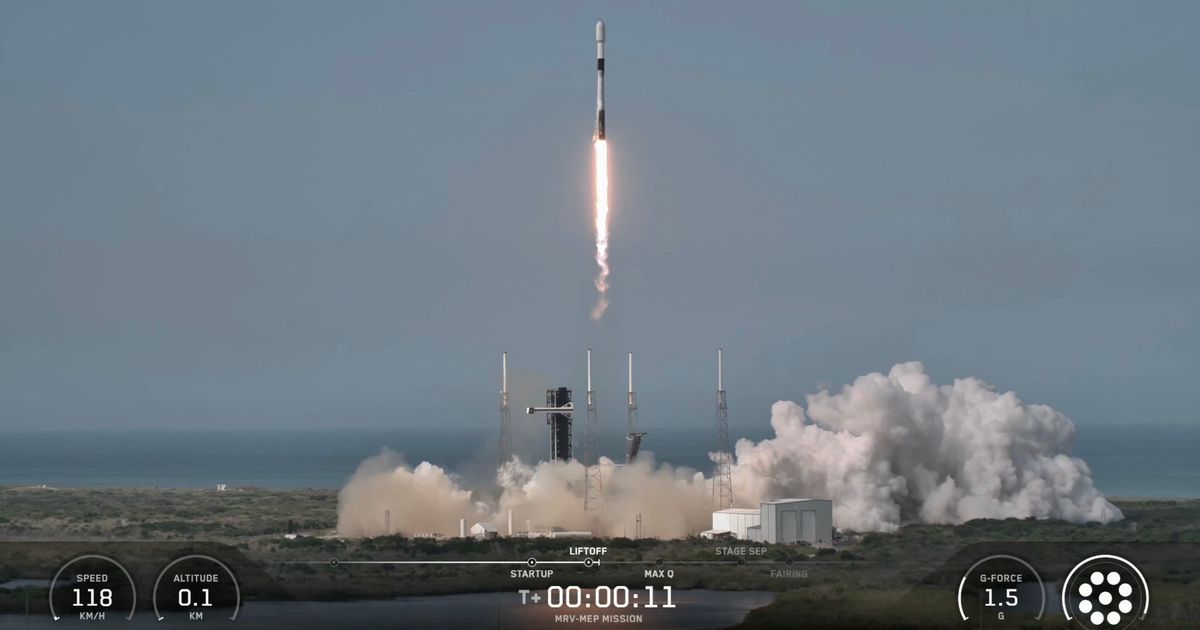
A two-armed space robot is on its way to give extra life to out-of-gas satellites thousands of miles up.
Read on the original site
Open the publisher's page for the full experience