Photos show daily life in Iraq’s Basra near Iranian border as war slows trade
Our take
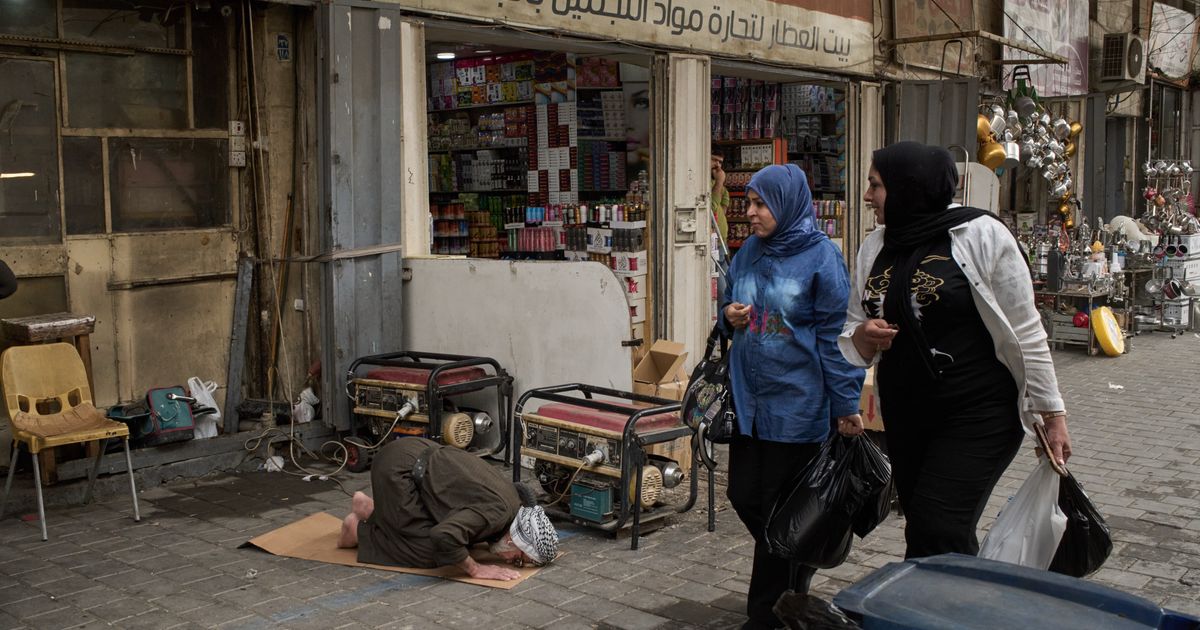
The recent article highlighting daily life in Basra, Iraq, under the shadow of the ongoing Iran war presents a multifaceted view of resilience amidst adversity. As workers continue to unload cargo at Umm Qasr Port and operations at the nearby Zubair oil field slow down, the routine of daily life persists, albeit with challenges that reflect the broader geopolitical tensions in the region. This juxtaposition of normalcy and conflict is particularly relevant for our understanding of how communities adapt in the face of external pressures. The situation in Basra is not only a story of survival but also a reminder of the interconnectedness of our global economy and the real human experiences behind headlines of war. It parallels themes seen in other areas, such as conservation efforts illustrated in UW researchers decipher beluga calls to bolster conservation efforts or the importance of community support highlighted in How Peer Mentoring Supports Neurodivergent Students.
What stands out in the Basra narrative is how local communities manage to maintain their routines despite the looming uncertainty brought about by the Iran war. The image of workers at the port symbolizes a collective effort to sustain livelihoods while adapting to new security measures at the Shalamcheh border crossing, where mostly Iranian travelers are subjected to tighter scrutiny. This situation forces us to consider the implications for trade and economic stability, not just in Iraq but in the broader Middle East. As oil is a crucial resource for the region, slowdowns at crucial sites like the Zubair oil field can ripple through markets, affecting global prices and economic relations. It’s a vivid reminder that geopolitical conflicts are not just abstract issues but have tangible impacts on everyday lives.
Moreover, the resilience shown by the people of Basra prompts us to reflect on our own communities and how we respond to challenges. Just as Basra’s residents are navigating their circumstances with a sense of normalcy, we too can look to support our peers and local initiatives that foster community resilience. The importance of community ties and shared resources, as seen in our own peer mentoring programs for neurodivergent students, underscores the role that collaboration plays in overcoming difficulties. This sense of belonging and mutual support can have a profound impact on individual and collective well-being.
As we consider the ongoing situation in Basra, it's essential to ask ourselves: how can we foster resilience in our own communities while remaining aware of the complexities of global interdependence? The challenges faced by Basra serve as a crucial reminder that our responses to crises—whether local or global—must be rooted in understanding, empathy, and proactive engagement. Moving forward, it will be important to stay informed about how geopolitical tensions evolve and to reflect on our role in supporting resilience, both locally and globally. How can we apply the lessons from Basra to strengthen our communities and ensure that we are prepared for the uncertainties that lie ahead?
BASRA, Iraq (AP) — In Basra, southern Iraq, daily routines go on under the weight of the Iran war, as workers unload cargo at Umm Qasr Port and operations slow at the nearby Zubair oil field. At the Shalamcheh border crossing, mostly Iranian travelers pass into Iraq under tighter security, offering a glimpse of life […]
Read on the original site
Open the publisher's page for the full experience