Oscar-nominated Rose Byrne talks bringing Amanda Ogle and ‘Tow’ to life
Our take
In a world filled with stories that often go untold, the film "Tow," featuring Oscar-nominated Rose Byrne, shines a light on a uniquely relatable incident that happened right in our own backyard. The movie dramatizes the real-life experiences of Amanda Ogle, a Seattle resident whose car was stolen and subsequently towed in 2017. This narrative not only brings to life the frustrations and challenges that many face in urban living but also emphasizes the importance of resilience and community support—values that resonate deeply, especially in the context of our current societal landscape. It's interesting to note how such stories often echo the sentiments of other pressing issues, like the work done by researchers at the University of Washington, who are deciphering beluga calls to bolster conservation efforts, or the support systems in place for neurodivergent students, as discussed in "How Peer Mentoring Supports Neurodivergent Students."
What stands out in "Tow" is its ability to capture the mundane yet significant struggles of everyday life. Amanda's experience, while seemingly unique, reflects a common narrative many can relate to: the anxiety of losing personal property, the bureaucratic hurdles that follow, and the added emotional toll of feeling powerless. In a society where we often feel disconnected from one another, Amanda's story serves as a reminder of our shared challenges and the empathy that can arise from them. It also presents an opportunity for audiences to ponder how such events shape our understanding of community and support.
Byrne's portrayal of Ogle is not just about embodying a character; it highlights the collective consciousness of urban dwellers who navigate similar battles. This narrative invites viewers to reflect on their own lives, urging them to consider how they react to adversity and how they can foster a supportive environment for others facing similar challenges. The film's release comes at a time when community bonds are more critical than ever, especially as we emerge from periods of isolation and uncertainty. The film thus serves as a call to action for viewers to cultivate connections and assist one another in overcoming everyday hurdles.
As we look ahead, the conversation around resilience and community support highlighted in "Tow" opens the door for broader discussions about the importance of these themes in our lives. How can we better support those in our communities who may be facing their own "tow" moments? What initiatives can we put in place to ensure that we are not just bystanders but active participants in building a supportive network? The film encourages us to think critically about our roles in fostering a sense of belonging and solidarity, which are vital in today’s world.
In conclusion, "Tow" is more than a film about a stolen car; it is a reflection of the human spirit and the bonds that tie us together in times of adversity. As we embrace the lessons from Amanda Ogle's story, we are reminded that our struggles are often shared, and that together, we can navigate the challenges of life in a meaningful way. Moving forward, let’s keep the conversation alive about how we can all contribute to a more compassionate community, ensuring that no one faces their challenges alone.
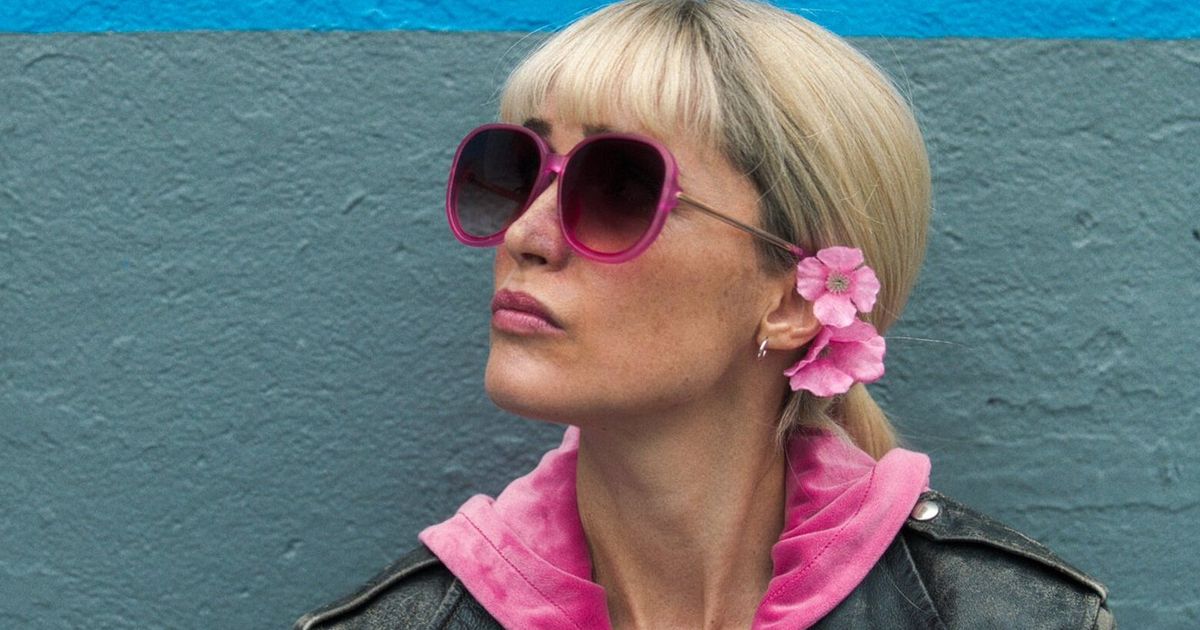
The film dramatizes the real-life story of Seattle's Amanda Ogle, whose car was stolen and then towed in 2017.
Read on the original site
Open the publisher's page for the full experience