Ohio woman sentenced to life in prison for killing 4 men with fentanyl doses
Our take
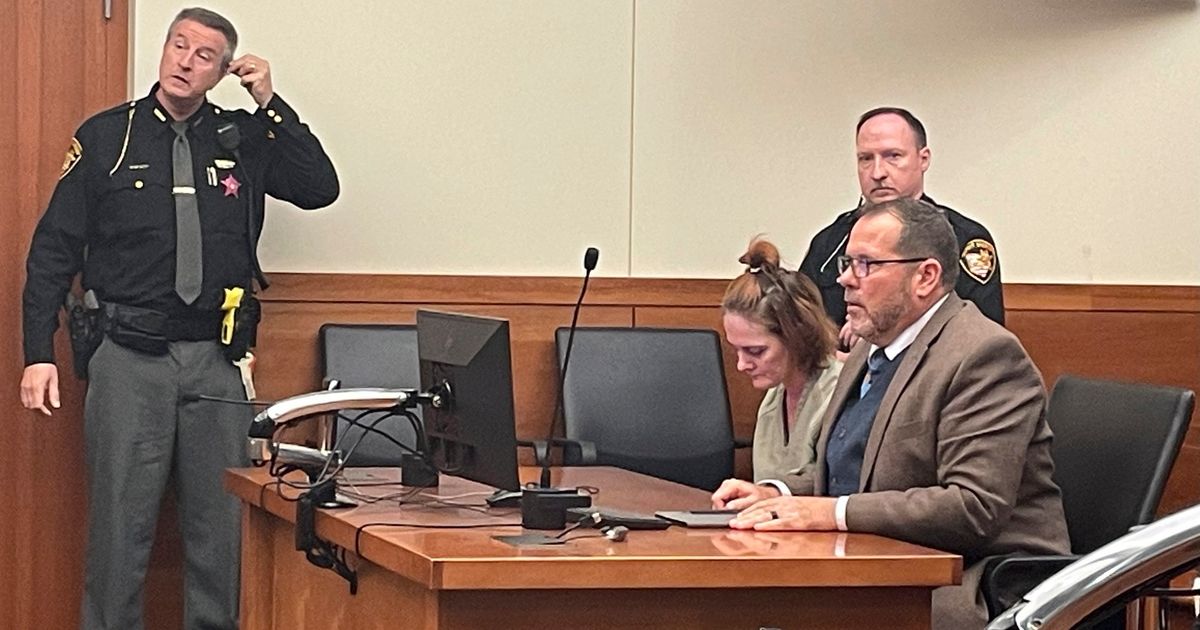
The recent sentencing of an Ohio woman to four consecutive life sentences for the fentanyl-related deaths of four men underscores a troubling intersection of crime, addiction, and public health that demands our attention. This case reflects not only the devastating consequences of substance abuse but also highlights the urgent need for systemic changes in how we approach addiction and drug-related crimes. As we consider the implications of this case, it is essential to connect it to broader societal issues, including the ongoing opioid crisis and the role of community support in addressing addiction. This situation resonates with other pressing topics, such as the importance of peer mentoring for neurodivergent students, where support systems can make a significant difference in individuals' lives, or the conservation efforts highlighted in articles like UW researchers decipher beluga calls to bolster conservation efforts, which remind us of the interconnectedness of life and the environment.
The Ohio woman's case serves as a stark reminder that the opioid epidemic is not merely a health issue but a complex social challenge that involves crime, poverty, and mental health. The decision to use fentanyl as a weapon for robbery speaks volumes about the desperation that can accompany addiction. Fentanyl, a powerful synthetic opioid, has contributed heavily to the rising overdose death toll in the United States, with communities grappling with the aftermath of these tragedies. The fact that this woman chose to use a substance that is known for its lethality to carry out a crime highlights a grim reality: many individuals struggling with addiction may feel trapped in a cycle of despair that can lead to dangerous choices. This case raises critical questions for us as a society: How can we better address the root causes of addiction? How can we provide support to those who are vulnerable without further criminalizing their circumstances?
Moreover, the sentencing itself raises important discussions about justice and rehabilitation. While the legal system has deemed this woman a danger to society, we must ask whether a life sentence is a constructive response to her actions. Could we instead focus on rehabilitation that addresses the underlying issues of addiction, rather than solely punitive measures? This connects to ongoing conversations about how we can support individuals in recovery and foster community environments that promote healing. The importance of community-first approaches, as seen in initiatives that support neurodivergent students through peer mentoring, is vital in reshaping how we view and respond to addiction-related crimes.
As we reflect on this case, it serves as a call to action for all of us. Communities must come together to create supportive environments, advocate for better healthcare access, and work towards reducing the stigma associated with addiction. We must also ensure that our justice system prioritizes rehabilitation over punishment, recognizing that many individuals caught in the cycle of substance abuse need help, not just incarceration. Moving forward, we should be mindful of how these narratives shape our understanding of addiction and crime. The conversation about how we address these issues in our society is far from over, and it's one that we must engage in with compassion and a commitment to meaningful change. How can we each contribute to a more supportive community that recognizes the humanity in those who struggle?
A judge has sentenced an Ohio woman to four consecutive life sentences with the possibility of parole after 60 years after she pleaded guilty to charges alleging she used fentanyl to kill four men she was trying to rob.
Read on the original site
Open the publisher's page for the full experience