NYC high school student freed after 10 months in ICE detention
Our take
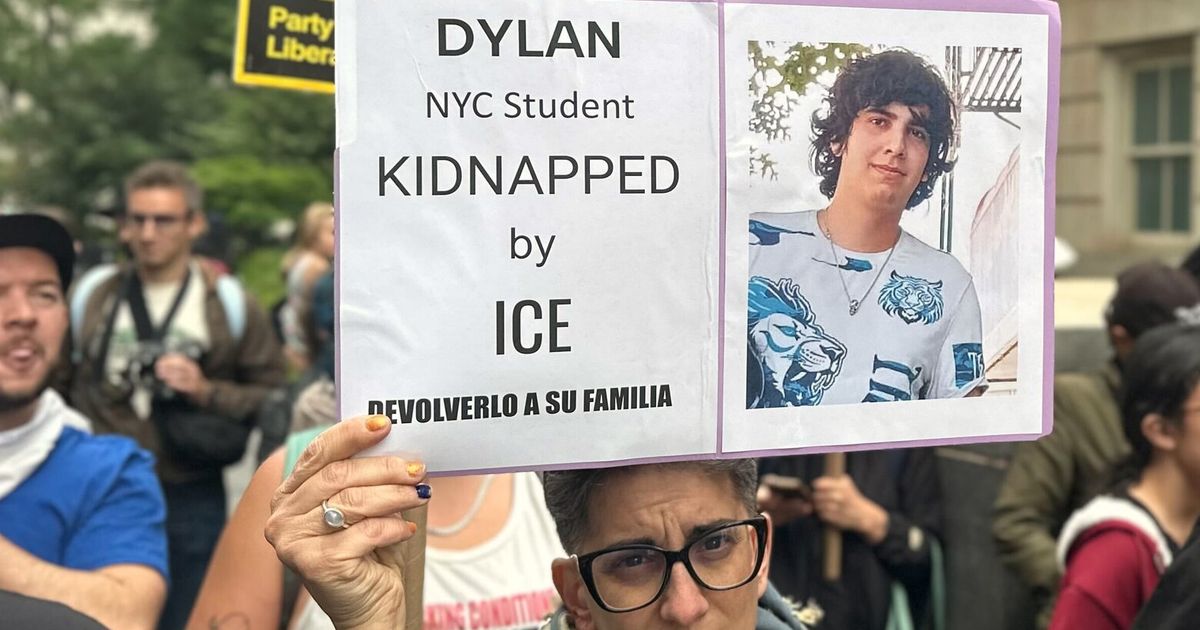
The recent release of Dylan Lopez Contreras from ICE detention highlights a critical intersection of immigration policy and education that demands our attention. Contreras, a New York City high school student, became the first public school student in the city to be taken by federal agents last year, marking a troubling precedent. His case is not just an isolated incident; it reflects a broader pattern of aggressive immigration enforcement that has increasingly targeted vulnerable populations, including students. This situation raises significant questions about the safety of immigrant students and the responsibilities of educational institutions in protecting their rights.
As we reflect on the implications of Contreras’s detention, we must consider the impact on students and families within our communities. The fear and anxiety surrounding deportation can disrupt the educational environment, making schools feel less like safe havens and more like battlegrounds. This is especially concerning for students who, like Contreras, are navigating the challenges of adolescence while balancing academic pressures. Schools should be places where young people can focus on learning and growth, but when the threat of ICE looms large, it can overshadow their educational pursuits. This situation resonates with other recent events, such as the Court Rules Texas State Must Reinstate Prof Fired for Israel-Palestine Talk, where academic freedom and student safety intersect, illustrating the broader struggles faced in educational institutions.
Moreover, Contreras's story serves as a stark reminder of the systemic issues surrounding immigration policy in the United States. The fact that a young student can be apprehended in a public space, such as a school, raises profound ethical questions about the government's approach to immigration enforcement. It highlights the urgent need for a more compassionate and humane policy that prioritizes the well-being of children and families. As we see in another context with the Kentucky State University Students, Alumni Sue to Block New State Law, the pushback against regulations perceived as harmful is a crucial part of the ongoing struggle for justice and equity in education.
Looking forward, Contreras's release could catalyze a larger movement advocating for changes in immigration policy and practices within educational settings. It underscores the importance of solidarity and community action in the face of adversity. Schools, educators, and community members must come together to create a supportive environment for all students, particularly those who may be at risk of deportation. The question remains: how can we ensure that our educational institutions remain sanctuaries for learning and growth, free from the fear of immigration enforcement?
As we continue to navigate these complex issues, we should strive to foster an educational landscape that values inclusion, compassion, and the fundamental rights of every student. The dialogue around immigration and education is far from over, and it is essential that we remain engaged and proactive in advocating for meaningful change. As we watch how this situation unfolds, it is critical to consider how we can collectively work towards a more just and equitable future for all students in our schools.
The arrest of Dylan Lopez Contreras was the first case of a public school student in the city being taken by federal agents last year.
Read on the original site
Open the publisher's page for the full experience