National redistricting battles hit Washington state and its lawmakers
Our take
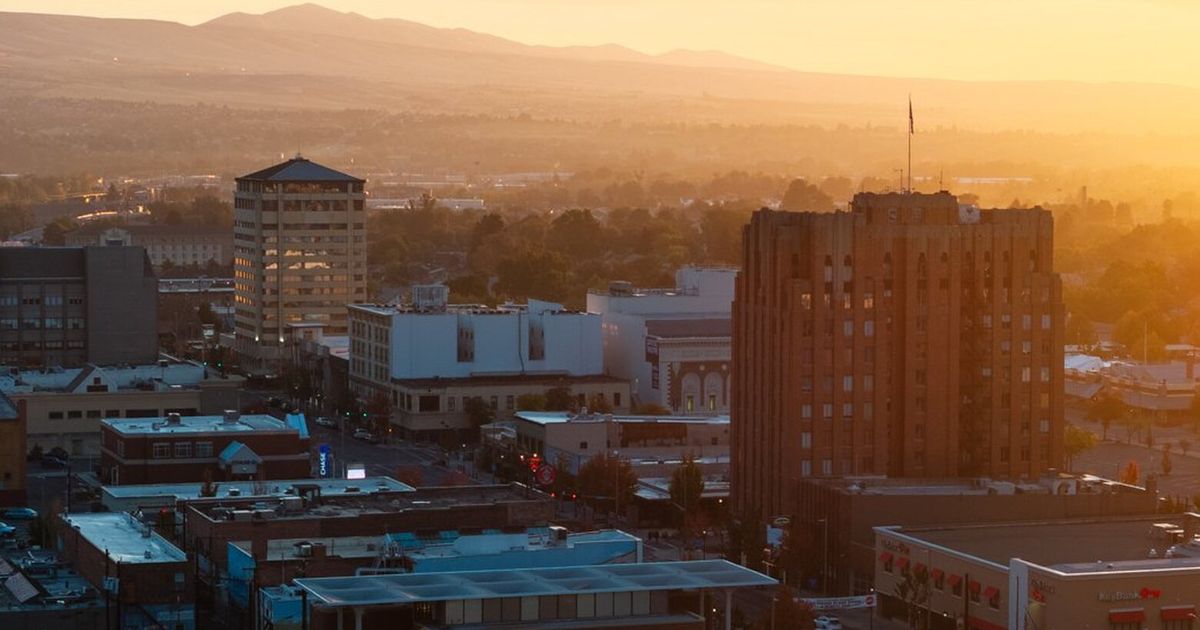
The recent Supreme Court decision to eliminate a majority-Black U.S. House district in Louisiana has sent shockwaves through the political landscape, igniting redistricting battles across the nation, including in Washington state. As lawmakers grapple with the implications of this ruling, it's essential to understand how these changes in district lines can affect representation and power dynamics at both local and national levels. This comes at a time when other significant legal developments, like the ruling that reinstated a professor at Texas State for controversial speech, and lawsuits from Kentucky State University students aiming to block new state laws, highlight ongoing tensions surrounding academic freedom and civil rights in education.
In Washington state, the stakes are particularly high as legislators prepare for the upcoming redistricting process. The state's diverse demographic makeup necessitates careful consideration of how district lines are drawn to ensure fair representation for all communities. The Supreme Court's decision has raised concerns among advocates for equitable representation, who fear that similar tactics could undermine the political power of minority communities in Washington. This situation calls for vigilance and active participation from constituents, as the repercussions of redistricting extend far beyond the confines of political maps; they affect the very essence of who gets to participate in the democratic process.
The redistricting battles in Washington are not merely about lines on a map; they are fundamentally about the voices and interests that those lines represent. As communities come together to advocate for their needs, the importance of grassroots activism becomes increasingly clear. It’s a reminder that our political system thrives when individuals engage, share resources, and collaborate to elevate underrepresented voices. The recent flurry of legal battles surrounding educational freedom and representation emphasizes the need for a collective approach, where community members support one another in navigating these complex issues.
Looking ahead, the question remains: how will Washington state lawmakers respond to these challenges? As they embark on the redistricting process, it is crucial that they prioritize transparency and inclusivity, ensuring that all voices are considered in this pivotal moment. The implications of their decisions will resonate far beyond the next election cycle and will shape the political landscape for years to come. Consequently, it is vital for students, activists, and community members to stay informed and engaged, actively participating in discussions about districting and representation. By doing so, they can help foster a political environment that genuinely reflects the diversity of Washington’s population and upholds the values of equity and justice.
In essence, the redistricting battles we face today serve as a crucial reminder of the power dynamics at play in our democracy. The decisions made in the coming months will not simply redraw maps but will also redefine the very fabric of representation in our communities. As we move forward, let’s hold our lawmakers accountable and ensure that they are committed to building a political landscape that serves everyone equitably, encouraging a future where every voice has a seat at the table.
The Supreme Court decision axing a majority-Black U.S. House district in Louisiana has intensified redistricting battles, including in Washington state.
Read on the original site
Open the publisher's page for the full experience