Michigan State Basketball Coach Speaks Out Against Board
Our take
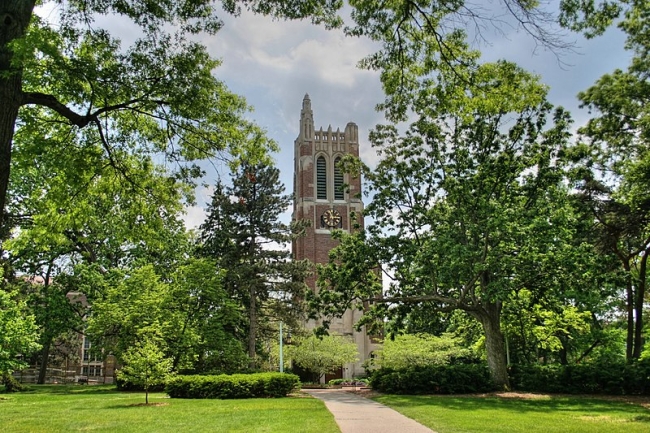
The recent public rebuke of Michigan State’s Board of Trustees by their own basketball coach, Tom Izzo, is a seismic event in the world of higher education governance. It's not just about basketball; it’s about the increasing tension between athletic departments – often significant revenue generators – and the administrative bodies tasked with overseeing the entire institution. The situation highlights a broader trend of athletic directors and coaches wielding considerable influence, and sometimes pushing back against decisions they perceive as detrimental to their programs. This echoes concerns raised in articles like [University of Arizona Transfers Endowment Payouts From Foundation to Itself], which demonstrates how financial decisions at the institutional level can have complex and sometimes contentious ramifications. We’re seeing a shift where the traditional hierarchy of power within a university is being challenged, and the lines between athletics and academics are becoming increasingly blurred. The decision to publicly criticize the board, rather than work through established channels, suggests a level of frustration that had reached a breaking point.
Izzo’s specific grievances, reportedly revolving around the university’s handling of Title IX investigations and its impact on recruiting, demonstrate the high stakes involved. The pressure to maintain competitive programs, particularly in revenue-generating sports like basketball, is immense. It’s easy to see how perceived mishandling of sensitive issues like Title IX can directly affect a coach’s ability to attract and retain talent. This is further complicated by the rise of Name, Image, and Likeness (NIL) deals, which add another layer of complexity to recruiting and athlete compensation. The situation also underscores the importance of strong institutional leadership capable of navigating these complex issues. The ongoing debate about how best to incorporate AI into various fields, as explored in [Building Scientists in the AI Era], demonstrates a similar struggle to adapt to rapidly changing circumstances and balance innovation with ethical considerations – a parallel that resonates with the current challenges facing Michigan State. The potential for external pressure and public scrutiny, as evidenced by the case of [Former Egyptian doctor detained over hospital abuse allegations], further emphasizes the need for transparency and accountability in handling such matters.
The lasting impact of Izzo’s statement will depend on the university’s response and how the situation is resolved. Will the board be willing to engage in a meaningful dialogue with the athletic department, or will they double down on their current approach? This incident could serve as a cautionary tale for other universities grappling with similar tensions. It’s a reminder that athletic programs are not isolated entities; they are integral parts of the university community and should be held to the same standards of accountability and transparency as any other department. Ignoring the concerns of a respected figure like Izzo could damage the university's reputation and create a climate of distrust that hinders its ability to achieve its broader academic mission. The willingness of a coach to publicly challenge leadership, while potentially risky, also demonstrates a commitment to protecting the integrity of the program and the well-being of his players.
Ultimately, this situation forces us to ask a critical question: how can universities balance the need to maintain competitive athletic programs with the responsibility to uphold their academic values and ensure a safe and equitable environment for all students? The answer likely lies in fostering greater communication, transparency, and collaboration between athletic departments and administrative leadership. Moving forward, it will be crucial to observe whether Michigan State can navigate this crisis and emerge with a stronger, more unified vision for the future – and whether other institutions will learn from this high-profile example of the evolving power dynamics within higher education.
Read on the original site
Open the publisher's page for the full experience