Man who sprayed vinegar at Rep. Ilhan Omar during town hall pleads guilty to assault
Our take
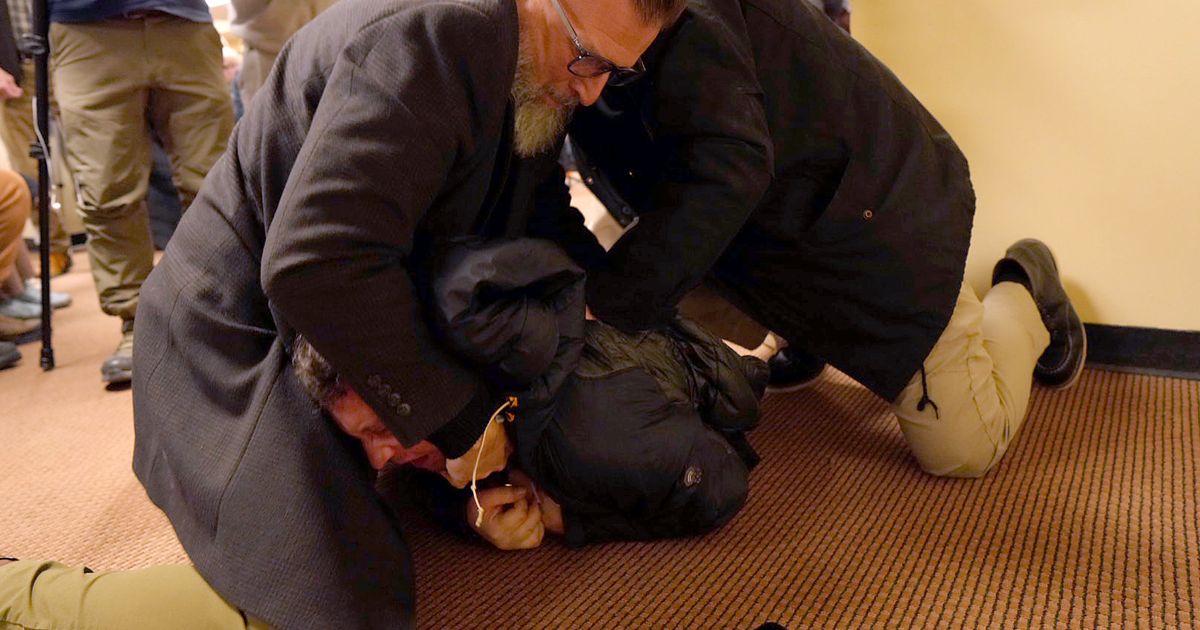
The recent guilty plea from the man who assaulted U.S. Rep. Ilhan Omar by spraying vinegar at her during a town hall in Minneapolis raises significant concerns about civility in political discourse. This incident is not just an isolated event but part of a troubling trend where aggressive behavior toward public figures is becoming alarmingly common. As we reflect on this, we must also consider how such actions impact our democratic processes and the safety of those who represent us. This is particularly relevant in light of other discussions around community engagement and support, such as the insights shared in How Peer Mentoring Supports Neurodivergent Students, which emphasize the importance of constructive dialogue and understanding in fostering inclusive environments.
Rep. Omar’s experience is emblematic of the larger challenges faced by many public officials, especially women and people of color, who often endure disproportionate levels of harassment. The motivations behind such attacks can be deeply rooted in political polarization and societal divisions. These actions are not merely expressions of dissent but are often driven by an underlying narrative that dehumanizes political opponents. As citizens, it is crucial to recognize the implications of normalizing hostility in our political interactions. Instead of fostering a community where ideas can be exchanged respectfully, we risk creating an environment where fear and aggression prevail. This is a concern echoed in broader societal discussions, including those highlighted in articles like Nobel Prize winner and Husky alumna Mary E. Brunkow to address graduates at UW’s 151st Commencement, which celebrate intellectual achievement and the power of respectful discourse.
The decision for the assailant to plead guilty and reach a deal with prosecutors may offer a form of accountability, but it also raises questions about the effectiveness of our legal responses to politically motivated violence. Sentencing and legal repercussions should be carefully considered to deter future acts of aggression against public figures. This incident serves as a reminder that our political leaders need to feel safe in their roles, allowing them to engage with constituents without fear of physical harm. The broader implications for voter engagement and civic participation are significant; if individuals feel threatened or unsafe in political spaces, their willingness to participate diminishes, undermining the very foundation of our democracy.
Looking ahead, we must ask ourselves how we can cultivate a culture of respect and understanding in our political landscape. What measures can we implement to ensure that public discourse remains civil, and that individuals feel empowered to express their opinions without resorting to hostility? Engaging in community-building initiatives, encouraging open dialogues, and promoting education on the importance of diverse perspectives can help mitigate the climate of fear that has emerged. As we navigate this complex terrain, it is essential to remain vigilant and proactive in fostering a community where every voice matters, and every individual can engage in the political process safely and respectfully. In the end, our commitment to these principles will define the future of our democratic engagement.
The man charged with assault for spraying vinegar at Democratic U.S. Rep. Ilhan Omar at a town hall meeting in Minneapolis has pleaded guilty in federal court after reaching a deal with prosecutors.
Read on the original site
Open the publisher's page for the full experience