Lou Holtz, college football staple who coached Notre Dame to 1988 national title, dies at 89
Our take
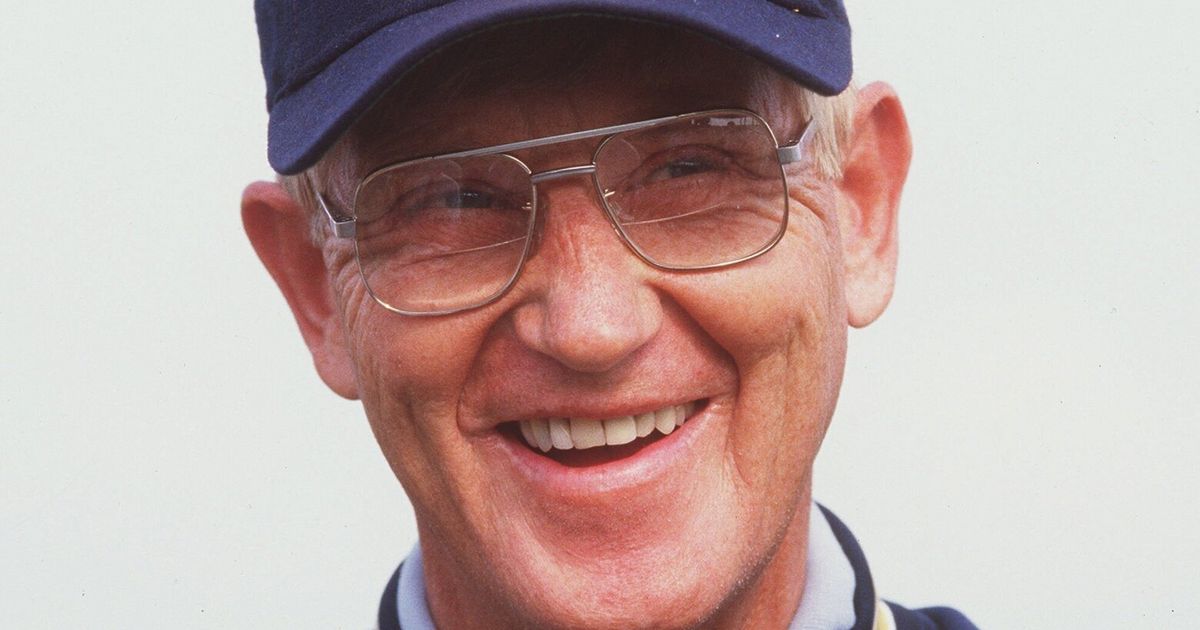
Lou Holtz, the legendary football coach who led Notre Dame to its 1988 national championship, has passed away at the age of 89. His legacy is not just in the 249 wins over 33 seasons at various colleges but also in the profound impact he had on the sport and on the lives of countless players and fans. Holtz epitomized the blend of discipline and inspiration, often reminding us that success in sports—and life—requires a mix of hard work, resilience, and a heart for teamwork. As we reflect on his contributions, it’s essential to consider what his life and career can teach us about ambition and community, especially in a time when those values feel particularly relevant.
Holtz's coaching style was marked by a practical optimism that resonates with many of us today. He understood that the journey to success is rarely linear and expected bumps along the way. This perspective is crucial for students and young professionals navigating their paths, much like the insights shared in our recent piece on How Peer Mentoring Supports Neurodivergent Students. Just as Holtz prepared his teams for the unpredictable nature of sports, we can prepare ourselves for the challenges of academic and professional life by embracing a growth mindset. His ability to motivate players to rise above their circumstances should inspire us to support one another in our community endeavors, whether through formal mentoring programs or simply by being there for a friend in need.
Moreover, Holtz's impact extended beyond the football field. He emphasized the importance of character, teamwork, and the greater good—values that align closely with the ethos of many college communities, including ours at WSU. It’s a reminder that while individual achievements are important, the connections we foster and the support we give each other can lead to collective success. This is akin to the inspiration found in stories like Nobel Prize winner and Husky alumna Mary E. Brunkow to address graduates at UW’s 151st Commencement, where the focus is on celebrating shared achievements and aspirations.
As we honor Holtz and his legacy, we must also consider how we can carry forward the lessons he imparted. In an era where the pressures of academic and social life can feel overwhelming, his story encourages us to find joy in the journey, to stay grounded, and to remain connected to our communities. His life serves as a reminder that while we all strive for personal success, the bonds we create and the support we offer to one another are what truly enrich our experiences.
Looking ahead, we might ask ourselves: How can we apply Holtz's lessons on resilience and community in our own lives? As we navigate the complexities of our studies and future careers, let’s strive to embody the spirit of mentorship and solidarity that he exemplified. The future will undoubtedly bring challenges, but with a community that rallies together, we can face them head-on, much like Holtz’s teams did on the gridiron. It’s a legacy worth honoring, and a call to action for all of us.
Lou Holtz, the College Football Hall of Fame coach who led Notre Dame to a national championship and won 249 games over 33 seasons at six schools, has died.
Read on the original site
Open the publisher's page for the full experience