Kaiser Canyon fire now more than 50,000 acres, surrounding Nespelem
Our take
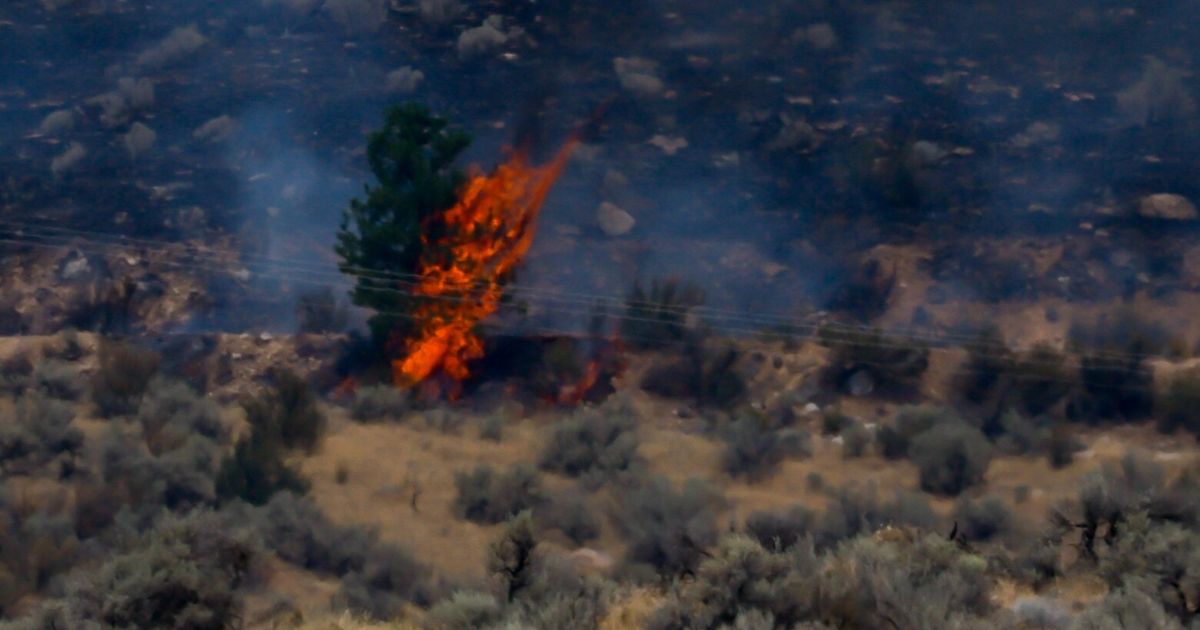
The escalating Kaiser Canyon fire, now exceeding 50,000 acres and threatening the town of Nespelem and vital Coville Tribe buildings, isn't just a regional news story; it’s a stark reminder of the increasingly precarious relationship between human communities and a changing climate in the Pacific Northwest. This fire, like others scorching the West this summer, underscores the vulnerability of rural areas and Indigenous communities, often disproportionately impacted by these events. The scale of the response, with firefighters dedicating their efforts to protecting Nespelem and Tribal assets, highlights the immediate and tangible risks. The situation echoes broader concerns regarding wildfire preparedness and resource allocation across the state, issues previously explored in Washington's Wildfire Crisis: A Looming Threat and similar reports detailing the mounting costs and challenges of managing increasingly intense fire seasons. Furthermore, the location within the Colville National Forest brings into focus the complex interplay of federal land management practices, historical fire suppression policies, and the build-up of fuel loads contributing to these severe blazes.
The Coville Tribe’s connection to this land runs deep, spanning generations. The potential loss of Tribal buildings and cultural resources isn’t merely a financial setback; it represents a profound disruption to their heritage and self-determination. This fire serves as a painful illustration of climate injustice, where communities with the least responsibility for the climate crisis often bear its heaviest burdens. It’s easy to get lost in the statistics – acres burned, containment percentages – but it's crucial to remember the human element: the families facing evacuation, the firefighters risking their lives, the community bracing for an uncertain future. We've seen similar anxieties play out in other PNW communities, like the one detailed in Oregon's Wildfire Evacuations Strain Resources, Leave Residents Anxious. The Kaiser Canyon fire isn’t an isolated incident; it’s part of a larger, alarming trend.
Beyond the immediate firefighting efforts, this event demands a broader conversation about long-term resilience. What preventative measures can be implemented to mitigate future wildfire risks in vulnerable areas? How can we better support Indigenous communities in protecting their ancestral lands and cultural heritage? The reliance on reactive responses—fighting fires as they erupt—is no longer sustainable. A proactive approach, incorporating prescribed burns, forest thinning, and community-based wildfire prevention strategies, is essential. Funding for these initiatives needs to be prioritized, and collaboration between federal, state, Tribal, and local agencies must be strengthened. The economic impact on rural communities like Nespelem, reliant on timber and recreation, also needs careful consideration. The challenges highlighted are similar to those discussed in California's Wildfire Economy: Impacts and Adaptation Strategies, which underscores the need for innovative economic diversification in fire-prone regions.
Looking forward, the Kaiser Canyon fire’s aftermath will likely trigger renewed scrutiny of forest management practices and climate adaptation strategies in northeast Washington. The long-term effects on the ecosystem, the resilience of the Coville Tribe, and the economic viability of Nespelem will be critical to observe. Will this event spur meaningful policy changes and increased investment in wildfire prevention, or will it fade from the headlines, only to be eclipsed by the next inevitable blaze? The question isn't whether future fires are inevitable—they are—but rather, what steps we’ll take to protect communities and ecosystems *before* they are threatened.
Firefighters in northeast Washington are working to save the town of Nespelem and Coville Tribe buildings.
Read on the original site
Open the publisher's page for the full experience