Fire destroys a lab building on a University of South Florida campus
Our take
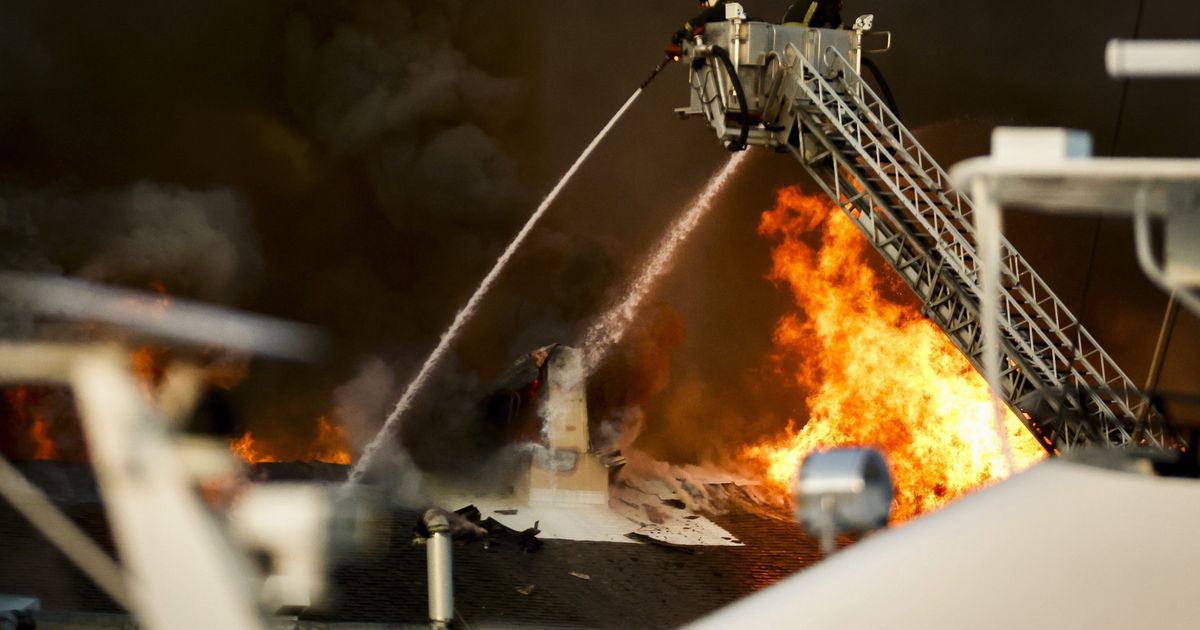
When a fire tore through a laboratory building on the University of South Florida's St. Petersburg campus overnight, the images were a gut punch for anyone who has ever spent real time in a campus lab. Those rooms are more than walls and equipment. They are where months of work live, where students learn by doing, and where research that affects real communities actually happens. The fire is out now, but the questions it raises are just getting started.
It is worth pausing on what was likely lost inside that building. Labs like the one that burned at USF are not generic office spaces. They hold irreplaceable samples, ongoing experiments, and the kind of hands-on infrastructure that researchers at places like the University of Washington depend on for work as meaningful as the effort to decipher beluga whale calls in Cook Inlet to bolster conservation UW researchers decipher beluga calls to bolster conservation efforts. When a lab burns, you do not just lose a building. You lose continuity. You lose data that took years to collect. You lose the daily environment where students figure out what they are capable of and where faculty mentor the next generation of researchers. Rebuilding a lab takes years and millions of dollars, and even then, the unique records and samples inside may be gone for good.
This fire also arrives at a moment when universities are absorbing pressure from every direction. In Kentucky, students and alumni at Kentucky State University are suing to block a new state law they see as government overreach into campus life Kentucky State University Students, Alumni Sue to Block New State Law. In Texas, a court just ordered the reinstatement of a professor who was fired over a classroom discussion about Israel and Palestine Court Rules Texas State Must Reinstate Prof Fired for Israel-Palestine Talk. These stories share a common thread with the USF fire: the institutions that support research, education, and community are under compounding stress from political, financial, and now physical threats, and the consequences are no longer hypothetical.
For students and faculty at USF, the immediate concern is practical. Where do the displaced researchers work tomorrow? What happens to the experiments that were mid-process? How quickly can the university mobilize funding and space to keep people moving forward? Those are the questions that matter most right now, and they are exactly the kind of unglamorous, essential work that defines what a university community does when things fall apart. It is easy to talk about the value of higher education in the abstract. It is another thing entirely to show up with a box of supplies and ask your colleague what they need.
Looking ahead, this fire should prompt a harder conversation about how we protect and invest in the physical infrastructure that makes research possible. Labs are not expendable line items to be cut in a budget crunch. They are the places where the work that benefits all of us actually gets done. The question worth asking now is whether institutions, state governments, and communities are willing to treat research spaces as the irreplaceable resources they are, before the next disaster makes the cost of neglect impossible to ignore.
Firefighters worked through the night to extinguish a blaze at a laboratory on the University of South Florida campus in St. Petersburg.
Read on the original site
Open the publisher's page for the full experience