Emory professors take on their own university after arrests at 2024 Israel-Hamas war protest
Our take
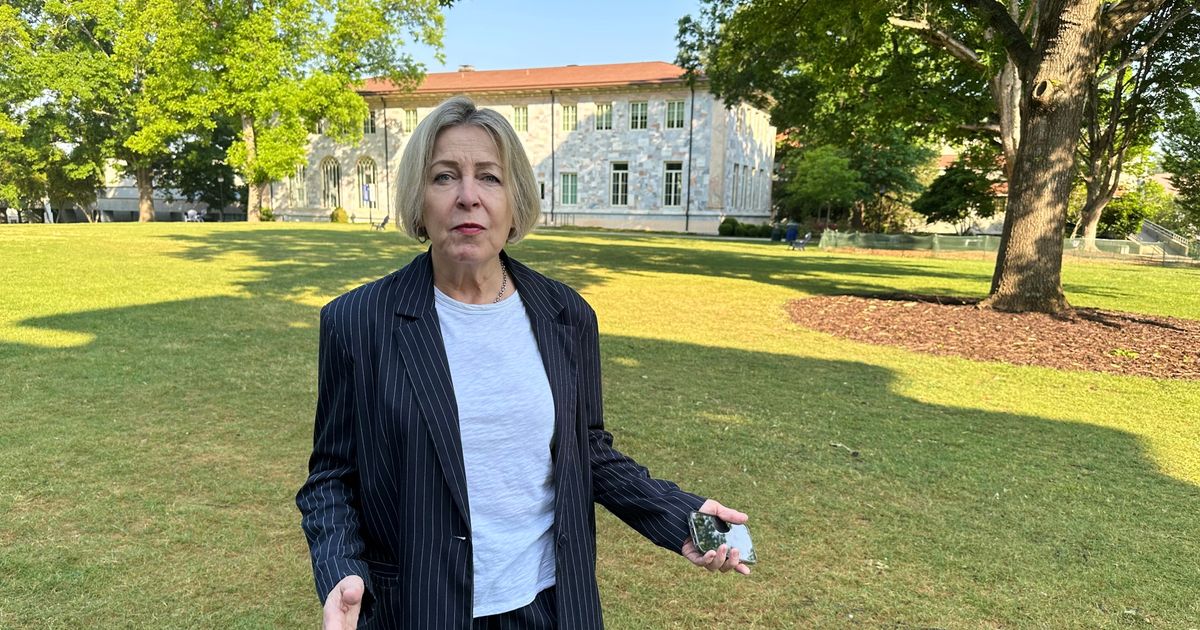
In a significant move that underscores the ongoing tensions surrounding free speech on college campuses, three professors at Emory University have filed a lawsuit against their own institution. They allege that the university violated its free speech policies during a protest related to the Israel-Hamas conflict in 2024. This situation is not isolated; similar disputes have emerged across various educational institutions, as seen in the recent court ruling on Texas State regarding a professor’s dismissal over related discussions. It raises crucial questions about the boundaries of academic expression and the responsibilities of universities to uphold the principles of free speech.
The Emory professors’ lawsuit brings to light a growing concern among educators and students alike: how far can institutions go in regulating speech, especially on contentious political issues? This case reflects a broader pattern where academic freedom is being tested against societal pressures. When institutions prioritize a particular narrative or stance, they risk alienating segments of the academic community, stifling genuine discourse, and ultimately undermining the very educational principles they aim to uphold. The ripple effects of this case could influence other institutions grappling with similar dilemmas, as seen with the Kentucky State University lawsuit that seeks to challenge state laws affecting academic freedom.
At the heart of this issue is the delicate balance between protecting free speech and fostering a safe, inclusive environment for all students. The Emory professors argue that their arrests during the protest were a direct violation of their rights, a sentiment echoed by many who believe that universities should act as bastions of free thought and expression. The challenge lies in navigating the complex dynamics of campus life, where diverse opinions can clash violently. As tensions rise and protests become more frequent, universities must reassess their policies to ensure they both protect individual rights and uphold an environment conducive to learning and growth.
Moreover, this lawsuit is emblematic of a larger cultural moment where the lines between free speech and safety are increasingly blurred. As students engage in activism on issues that resonate deeply within society, questions arise about who gets to speak and whose voices are marginalized. It’s essential for universities to not only support free expression but also to cultivate spaces where all students feel heard and respected. The outcome of the Emory case could set a precedent for how institutions navigate these challenges moving forward.
As we look ahead, it’s crucial to consider the implications of this lawsuit for the future of academic freedom. Will universities take proactive steps to reinforce their commitments to free speech, or will they continue to grapple with external pressures that seek to dictate the terms of discourse? The Emory professors’ stand may be a crucial turning point in this ongoing debate. The broader academic community—and indeed society at large—will be watching closely, as the outcome could shape the landscape of higher education for years to come.
Three professors at Emory University have filed a lawsuit claiming the school violated its free speech policies during a 2024 campus protest over the Israel-Hamas war.
Read on the original site
Open the publisher's page for the full experience