<em>The Atlantic</em> Hires Kelsey Ables, Janay Kingsberry, Will Oremus, and Matt Viser as Staff Writers
Our take
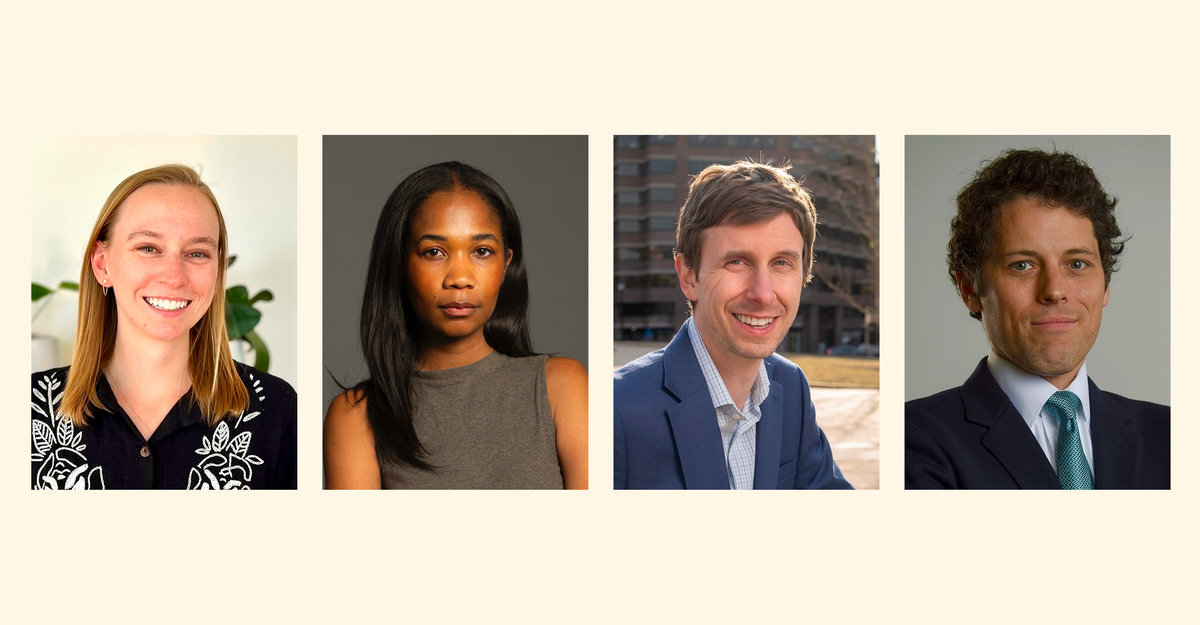
In a significant move that could reshape its editorial voice, *The Atlantic* has announced the hiring of four new staff writers from *The Washington Post*: Kelsey Ables, Janay Kingsberry, Will Oremus, and Matt Viser. Each of these journalists brings a distinct expertise to the table, reflecting *The Atlantic's* commitment to covering the complexities of contemporary culture, politics, and technology. The hiring of these seasoned writers, particularly at a time when media outlets are grappling with the pressures of polarized discourse and a rapidly changing news landscape, signals an intent to deepen their engagement with issues that matter to readers today.
Kelsey Ables and Janay Kingsberry are poised to focus on the cultural institutions under strain from the Trump administration, a topic that is still highly relevant given the ongoing debates about art, politics, and public funding. Their work should resonate with readers interested in the intersection of culture and politics, especially as institutions like the Kennedy Center and Smithsonian rethink their roles in a divided society. This aligns with other recent coverage, such as the article on Kentucky State University students suing to block a new state law, which highlights the tensions between institutional governance and individual rights. Similarly, the pressing issues around free speech and academic independence, as discussed in the piece about a Texas professor being reinstated after being fired for discussing Israel-Palestine topics, underline the importance of diverse voices within cultural institutions.
Will Oremus’s focus on technology and its impact on reality is particularly timely as society grapples with misinformation and the implications of artificial intelligence. His background in covering the AI industry's ambitions adds a layer of depth that *The Atlantic* can leverage to inform discussions about technology's role in shaping public perception and reality. Readers will likely find value in Oremus’s ability to dissect complex topics, making them accessible and engaging. His past work on conspiracy theories and technology’s transformative effects can serve as a vital resource for understanding today’s information landscape.
Matt Viser’s extensive experience covering national politics, especially during two consequential administrations, adds a seasoned perspective to *The Atlantic’s* political reporting. His knack for weaving personal narratives into larger political contexts can help humanize the often abstract discussions around governance and policy. With awards to his name, Viser’s transition to *The Atlantic* raises questions about how his storytelling will influence the publication's approach to political discourse. As more readers seek meaningful connections in news narratives, Viser’s insights could play a crucial role in shaping how political stories are told.
As these writers integrate into *The Atlantic*, it will be interesting to watch how their individual strengths contribute to the publication's identity and how they adapt to the evolving landscape of media consumption. Will their fresh perspectives lead to deeper engagement with audiences? Can they navigate the challenges of maintaining journalistic integrity while addressing the polarized climate we live in? The answers to these questions will not only define *The Atlantic’s* future but also reflect a broader evolution within journalism itself. As readers, we should keep an eye on how these new hires influence the discourse in an increasingly complex world.
The Atlantic is announcing the hires of four new staff writers: Kelsey Ables, Janay Kingsberry, Will Oremus, and Matt Viser. All are joining from The Washington Post.
Kelsey and Janay will both focus on the major cultural institutions facing pressure from the Trump administration. Will has produced authoritative work about technology and the fracturing of reality, and will continue this line of coverage. Matt has covered the White House and national politics since 2018 and most recently served as the Post’s White House bureau chief.
Below are the announcements about our new staff:
Kelsey Ables has recently been focused on the various pressures facing major cultural institutions in the Trump era—but she has a wide variety of interests, including visual art, architecture, and design. She has been a nimble and erudite reporter on a challenging beat, covering the convulsions at the Kennedy Center and the Smithsonian Institution. She has also written smartly and entertainingly on any number of other subjects, including D.C.’s “Sistine Chapel of the New Deal” and the unsettling ubiquity of Kusama pumpkins. Kelsey got her start covering museums and architecture at the Post, and served in the newspaper’s Seoul hub for a stint, writing overnight on a wide array of newsy subjects, including U.S. politics and the papal conclave.
Janay Kingsberry has dominated the culture beat nationally for the Post. She has been ambitious and smart on the rolling Kennedy Center crisis, as well as the planned changes to Washington’s monumental landscape. And she scooped that the Smithsonian had removed mention of President Trump from an impeachment exhibit. Before taking on the arts beat, she was a sharp and versatile reporter for the Post’s Style section, where she wrote memorably about Jennifer Hudson’s “spirit tunnels,” grief, social media, and much more. She previously worked at Politico and The Atlanta Journal-Constitution.
Will Oremus also comes to us from The Washington Post, where he has produced authoritative work about technology and the fracturing of reality. He has broken news about the AI industry’s quest to scan millions of the world’s books, profiled a policeman who spent a month in jail for posting a Charlie Kirk meme, and written about the proliferation of conspiracy theories after a devastating hurricane in North Carolina. Before joining the Post, Will worked at OneZero and Slate.
Matt Viser is also joining us from The Washington Post, where he’s spent nearly eight years producing distinctive and authoritative coverage of national politics, most recently as the paper’s White House bureau chief. Matt is a highly accomplished chronicler of the presidency, with the prizes to prove it: He’s won both the Gerald R. Ford Journalism Award for Distinguished Reporting on the Presidency and the White House Correspondents’ Association’s Aldo Beckman Award for Overall Excellence in White House Coverage. During the Biden and Trump administrations, Matt has delved into the family dynamics and personal proclivities that shape history-making decisions. When not covering the biggest stories of our time, Matt delights in finding odd and quirky tales—the museum in rural Kansas that’s dedicated to the losers of each presidential election, for instance, and Michael Dukakis’s completely normal Thanksgiving habit of collecting old turkey bones from his neighbors. Matt previously spent 16 years at The Boston Globe, where his reporting on city and state governments often took him past The Atlantic’s historic home, the Old Corner Bookstore.
Press Contacts:
Anna Bross and Paul Jackson | press@theatlantic.com
Read on the original site
Open the publisher's page for the full experience