‘Direct Repression’ of Academics on the Rise, Report Finds
Our take
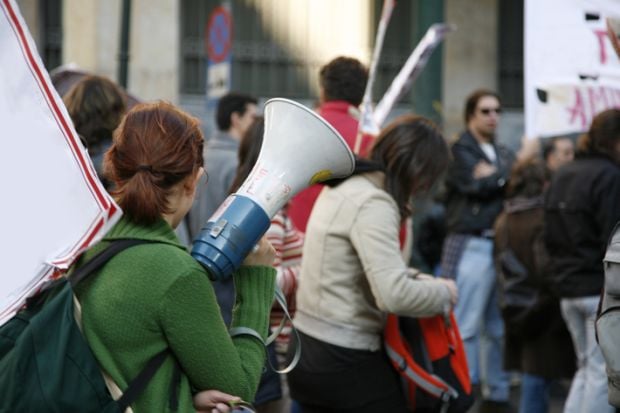
The Scholars at Risk report highlighting a rise in “direct repression” of academics is deeply concerning, and frankly, shouldn’t be surprising given recent trends. We’ve seen escalating pressures on higher education institutions globally, often fueled by political agendas and a desire to control narratives. The report’s call for universities to champion the importance of academic autonomy rings especially true now. It’s not just about protecting individual scholars; it's about safeguarding the very foundation of critical inquiry and intellectual freedom that universities are meant to embody. The situation at UT Austin, where several Ethnic and Gender Studies majors were recently axed [UT Austin Axes Several Ethnic, Gender Studies Majors], underscores the kind of targeted dismantling of programs that can contribute to this repressive climate. This isn’t a theoretical problem; it’s a tangible threat to the kind of rigorous, diverse scholarship that prepares students for a complex world.
The report’s focus on “direct repression” – actions like firing, suspension, or outright censorship – is important, but it’s vital to recognize the subtler forms of pressure that can be equally damaging. The increased "heightened uncertainty" experienced by senior college leaders [Senior College Leaders Experiencing ‘Heightened Uncertainty’] speaks to a broader atmosphere of intimidation and self-censorship. When leaders are constantly looking over their shoulders, fearing repercussions for decisions or statements, it stifles open dialogue and innovation. It creates a chilling effect that extends far beyond those directly targeted. Furthermore, the ongoing need to secure specialized roles like those highlighted in the “Featured Gig: Learning Design at Brown University” [Featured Gig: Learning Design at Brown University] demonstrates a continued demand for educational innovation, even as the environment for fostering it becomes increasingly precarious. This tension highlights the crucial role of adaptable and resilient educational professionals.
This isn’t solely an American phenomenon. Reports of academic freedom violations are rising worldwide, often in contexts where universities are increasingly viewed as instruments of state power rather than independent centers of learning. The consequences are far-reaching. When academics are silenced, it undermines public trust in institutions of higher education, limits the flow of knowledge, and ultimately hinders societal progress. It creates a vacuum that can be filled by misinformation and propaganda. The role of universities in fostering informed citizenship and holding power accountable is more critical than ever, and any attempt to curtail that role should be met with strong resistance. Universities have a responsibility to not just defend academic freedom, but to actively cultivate a culture of intellectual curiosity and critical thinking, even – and especially – when it challenges prevailing norms.
Looking ahead, the resilience of higher education will depend on a multi-pronged approach. Universities must proactively build coalitions with advocacy groups and policymakers to defend academic freedom. Individual scholars need to support each other and speak out against injustices, even at personal risk. And crucially, students need to be engaged in these conversations and empowered to advocate for a learning environment where diverse perspectives are valued and protected. The question isn’t just whether we can reverse this trend, but how we can fundamentally reshape the relationship between universities and the broader society to ensure that academic freedom remains a cornerstone of a healthy democracy.
Universities must promote “broad public understanding” that university autonomy is essential, Scholars at Risk’s annual report says.
Read on the original site
Open the publisher's page for the full experience