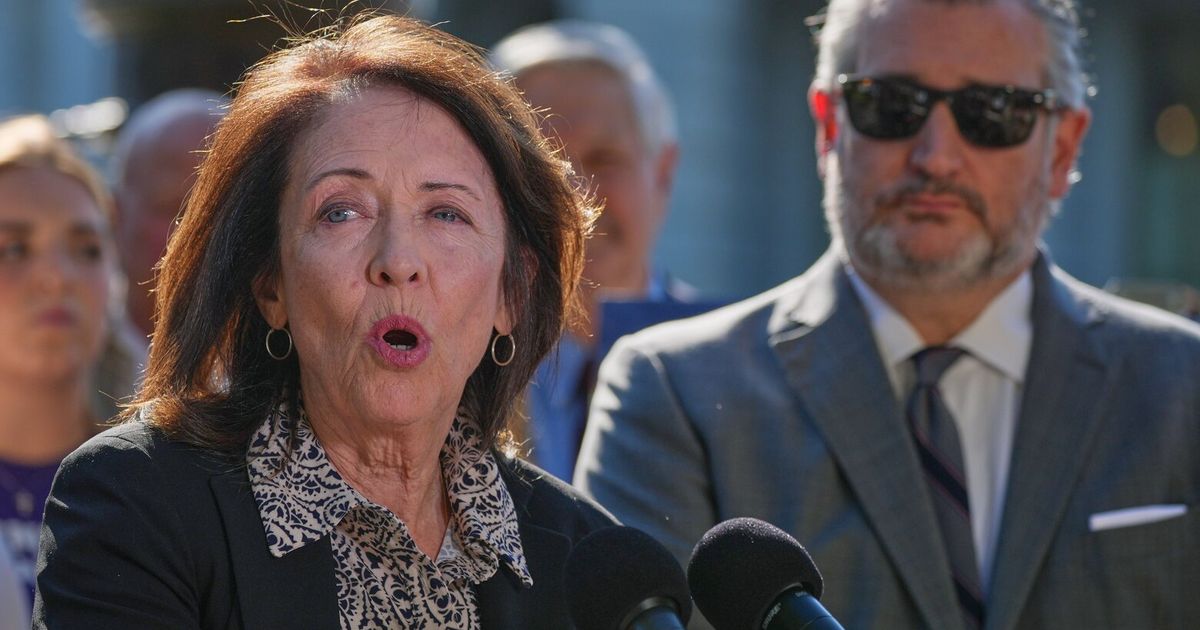
Our Take: The NCAA is a mess, and everyone knows it. This new bill from Senator Cantwell, and the split among former college athletes in Congress, shows just how complicated fixing it really is. We’re talking about massive changes to how college sports operate, from athlete compensation to transfer rules. It’s not just about the big football programs either; this impacts every sport, every school, and every student-athlete. It reminds me a bit of the bigger conversations we have about systemic issues, like how WA demands perfect houses, yet who can afford them?, where good intentions run into real-world complexities and cost. The core of this debate hinges on balancing athlete welfare with the long-standing traditions of amateurism, and it’s a tightrope walk for sure.
The fact that former athletes, who’ve actually been in the system, can’t agree on a path forward speaks volumes. You’d think they'd be on the same page, right? But some likely remember the days when the "student-athlete" ideal was more fiercely protected, while others see the undeniable commercialization of college sports and argue for athletes getting a bigger slice of the pie. This isn’t just some abstract policy debate; it’s about real people, real scholarships, and real opportunities. For us Cougs, it means thinking about what this could mean for athletes like Julian Dugger, whose performance on the field is a huge part of the WSU experience, as highlighted in WSU notebook: QB Julian Dugger posts scrimmage to remember, TE depth in question and other notes. How would new regulations impact recruiting, player development, and even the financial stability of athletic departments? These aren’t easy questions, and the answers will shape the future of college sports as we know it.
What’s really at stake here is the very structure of collegiate athletics. The NCAA has been under fire for years, and rightly so, for its perceived inability to adapt to the modern landscape. NIL (Name, Image, Likeness) rules were a step, but they were implemented in a patchwork fashion, leading to inconsistencies and confusion. Senator Cantwell’s bill aims for a more unified, federal approach. This could mean a national standard for athlete compensation, health care, and educational opportunities. The potential for a federal framework is huge because it could bring much-needed clarity and equity, rather than the current state where different states and conferences have different rules. However, it also raises concerns about federal overreach and whether a one-size-fits-all solution can truly address the diverse needs of thousands of schools and hundreds of thousands of athletes.
The implications for universities, especially those like WSU, are significant. Athletic departments operate on tight budgets, and any major shift in how athletes are compensated or regulated could have ripple effects on everything from tuition costs to facility upgrades. It also ties into broader discussions about college accountability and funding, a topic we touched on with How Soon Could Colleges Lose Loan Access Under New Accountability Metric?. If colleges face new financial burdens related to athlete welfare, how will that impact their overall financial health and ability to serve all students? This isn't just about football Saturdays; it's about the sustainability of higher education and the role sports play within it. It’s a complex issue with no easy answers, and watching how this bill evolves, and how these former athletes continue to debate it, will be key to understanding the future of college sports. The "future me" who understands this tangled web will definitely thank the "current me" for paying attention.