California pledges to open 7% of its land and waters to Indigenous tribes
Our take
The recent decision by California to open 7% of its land and waters to Indigenous tribes marks a significant step towards reconciliation and healing the historical injustices faced by these communities. For too long, state policies have marginalized Indigenous peoples, preventing them from practicing their cultural traditions and managing their ancestral lands. This new initiative seeks to rectify some of that harm, acknowledging that true healing involves more than just words; it requires actionable change and respect for Indigenous sovereignty. The policy aligns with broader movements across the country, such as those seen in the recent court ruling that reinstated a professor at Texas State for engaging in crucial discussions about Israel-Palestine, highlighting the importance of enabling marginalized voices in academic and societal dialogues.
Opening lands and waters is not just a symbolic gesture; it reflects a deeper understanding of the interconnectedness of land, culture, and identity. Indigenous tribes have a rich history of land stewardship that predates modern environmentalism, and their traditional ecological knowledge offers valuable insights into sustainable practices. By allowing tribes to reclaim their lands, California is not only honoring their rights but also potentially enhancing biodiversity and ecological health. This move can serve as a model for other states grappling with similar issues, reinforcing the notion that restoring Indigenous stewardship can lead to better environmental outcomes, much like the efforts seen in University of Washington's research on beluga calls to bolster conservation efforts.
The implications of this policy extend beyond environmental and cultural restoration; they touch on themes of justice, representation, and community resilience. For many, this initiative signifies the beginning of a long overdue dialogue about reparative justice. It raises questions about how other states might follow suit and what resources will be allocated to support this transition. The success of this policy hinges not only on the formal recognition of rights but also on the genuine commitment from both the government and the broader community to support Indigenous-led initiatives.
Moreover, as we look to the future, it’s essential to consider how this policy will be implemented and monitored. Will there be adequate funding and support for tribes to manage these lands effectively? How will the state engage with tribes in a meaningful and respectful manner? As California takes these steps, it opens the door for vital conversations about equity, sustainability, and co-management of resources. This initiative is not just a legislative act; it's a call for collective responsibility and an invitation for all Californians to reflect on their relationship with the land and its original stewards.
In a world where we often discuss the pressing need for environmental action and social justice, California's policy stands out as a hopeful beacon. It challenges us to consider how we can all contribute to healing historical wounds and fostering a more inclusive future. As we continue to navigate these complex issues, the question remains: how can we ensure that the voices of Indigenous peoples are not only heard but actively integrated into the fabric of our communities?
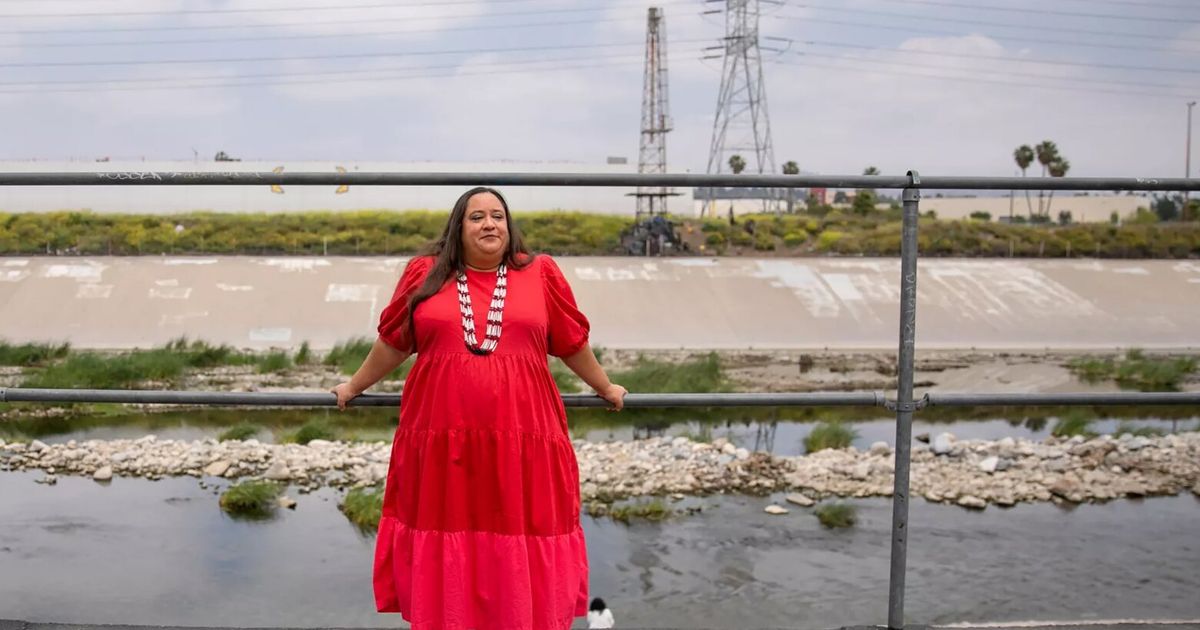
The new policy aims to start healing the harm caused by the state barring tribes from their homelands and criminalizing cultural and land management practices.
Read on the original site
Open the publisher's page for the full experience